Last updated November 22, 2026
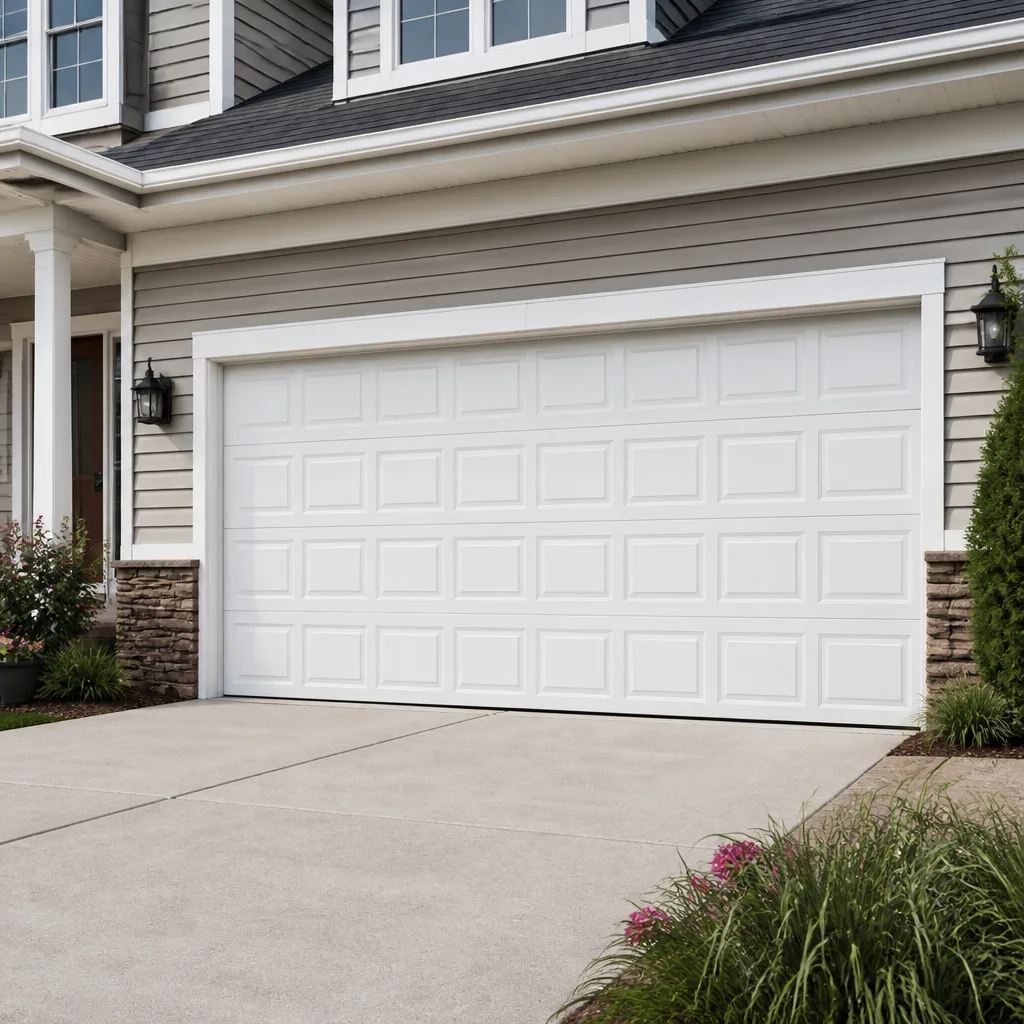 Raised-panel steel
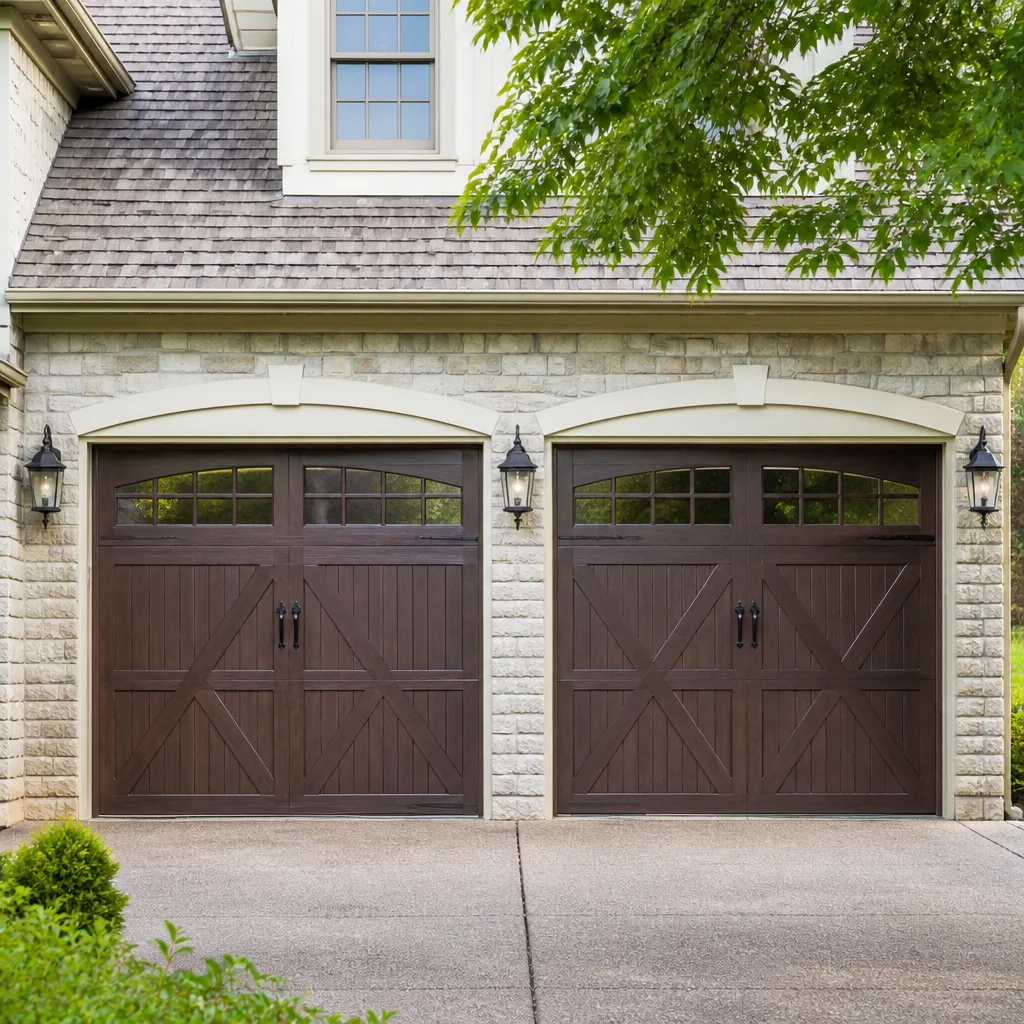 Carriage house
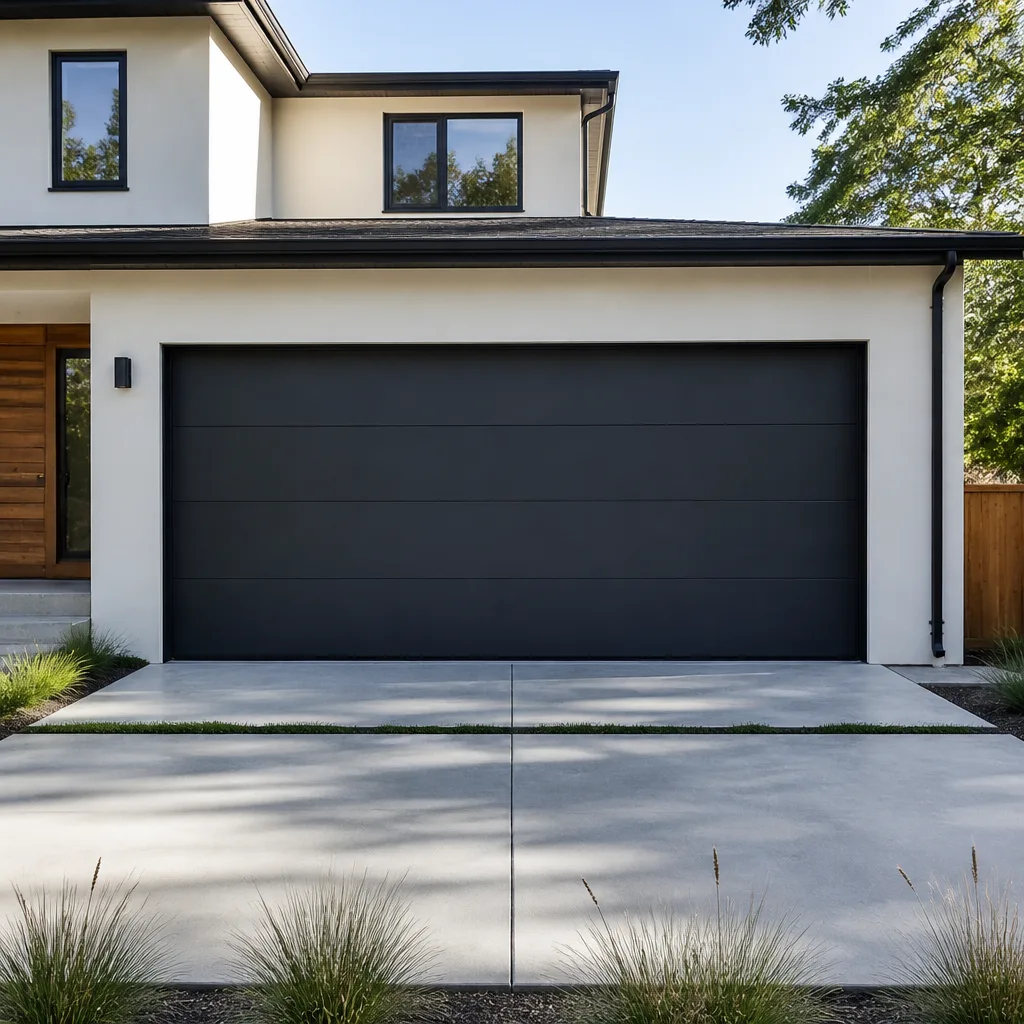 Modern flush
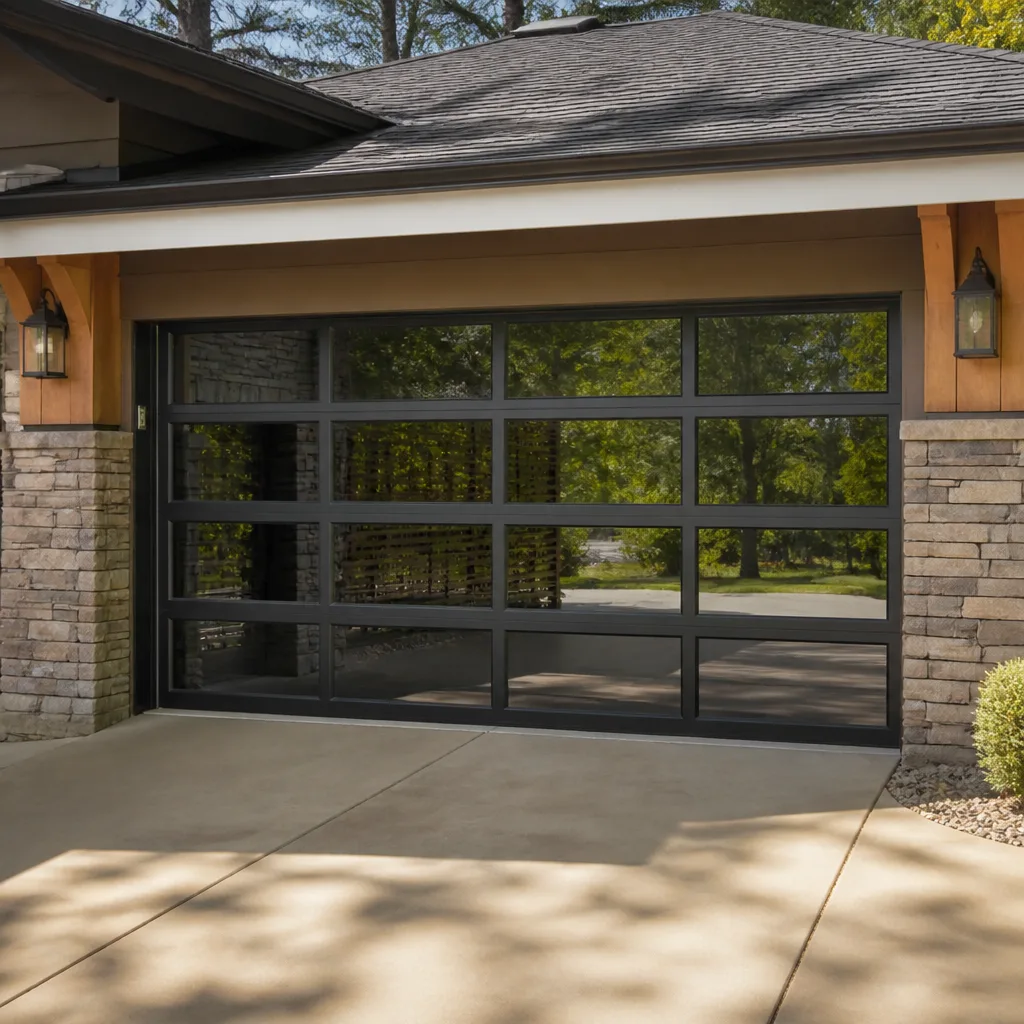 Full-view glass
 LiftMaster openers
 Chamberlain openers
Full 25-point door and opener safety check with every visit - springs, cables, rollers, tracks, and your LiftMaster or Chamberlain opener included
You get a price before we start. It does not change when the pro arrives.
Get your free estimateGarage Door Warning Signs: A Waltham Homeowner’s Reference Guide
A garage door that “just shudders a little” on the way down is not a quirk. In our experience, that shudder is usually a roller or track alignment issue, and under normal daily use it’s heading toward a cable snap or a cracked panel within 60 to 90 days. Most homeowners wait for the door to stop working entirely before they call anyone. By then a cheap fix has become an expensive one. This guide treats warning signs as a diagnostic chain: what you see or hear is rarely the root cause, and each symptom points to a specific mechanical problem with a specific urgency. We’ll walk through the sounds, the visual cues, and the opener error codes common to Waltham homes, and sort every sign into a fix-today, fix-in-two-weeks, or monitor tier.
Quick Answer
The most serious garage door warning signs in Waltham are a door that slams down, reverses without warning, hangs crooked, or makes a loud bang from the torsion bar. A snapping sound followed by a door that won’t lift usually means a broken spring and needs a same-day call. Slower signs like squealing rollers, a shudder on descent, or a blinking opener light can wait a week or two, but they signal wear that gets worse. Anything involving springs or cables is an immediate professional job, never a DIY fix.
Styles & brands we work with
- Raised-panel steel
- Carriage house
- Modern flush
- Full-view glass
- LiftMaster openers
- Chamberlain openers
Table of Contents
- Why Warning Signs Are a Diagnostic Chain, Not a Checklist
- The Three Urgency Tiers: Fix Today, Fix in Two Weeks, or Monitor
- Sound-Based Diagnosis: What Each Noise Tells You
- Spring Warning Signs You Can See Before a Fracture
- Opener Warning Codes for the Brands Waltham Homeowners Own
- Why Waltham’s Seasonal Swings Mask a Worsening Door
- Common Mistakes to Avoid
- When to Call a Professional
Why Warning Signs Are a Diagnostic Chain, Not a Checklist
Most “garage door warning signs” pages hand you a list: noisy door, uneven door, slow door. That’s fine as far as it goes, but it treats symptoms as separate problems when they’re usually linked. A worn roller doesn’t just squeal; it lets the door ride slightly off its track, which pulls the cable at an angle, which puts uneven tension on the torsion spring. Fix the squeal with a spray of lubricant and the underlying misalignment is still there, working away every time you open the door.
This is the pattern we see most often in Waltham: a homeowner treats the symptom, the door seems fine for a month or two, and then a bigger failure brings us out anyway. The second visit costs more than the first would have, because now there’s collateral damage.
Here’s how the chain tends to run:
- A wear point appears – a dry hinge, a flat spot on a roller, a frayed strand on a cable.
- The door’s balance shifts – the opener works harder, the door tracks slightly off-center, or the spring carries more load than it should.
- A secondary symptom shows up – shuddering on the way down, a door that reverses for no reason, a gap opening up between coils.
- The weak component fails outright – the spring snaps, the cable lets go, a panel cracks at the hinge.
The point of tracking the chain is to catch the door at step one or two. That’s when a repair is quick and contained. By step four, you’re looking at a bigger job and a door you can’t use until it’s fixed. Around Waltham, where many homes have older wood-frame doors and detached or attached garages that see heavy daily use, that progression can be faster than people expect.
The Three Urgency Tiers: Fix Today, Fix in Two Weeks, or Monitor
Not every warning sign is an emergency, and treating them all the same leaves homeowners either paralyzed with worry or too relaxed to act. Here’s how we sort them.
Tier 1: Fix today
These are the signs where the door is a safety or security risk right now:
- A loud bang from the torsion bar, followed by a door that won’t lift – a broken spring.
- A door that slams down instead of closing smoothly – the springs or cables have lost tension.
- A door that reverses on its own or won’t stay down – a sensor or opener safety failure.
- A visibly frayed or snapped cable, or a cable that’s come off the drum.
- A door hanging crooked, with one side lower than the other.
These are the situations our garage door repair team handles as urgent calls, because a door in this condition can injure someone or leave your home unsecured.
Tier 2: Schedule within two weeks
These signs aren’t immediately dangerous but are heading somewhere expensive:
- The door shudders or vibrates on the way down.
- Loud squealing, grinding, or scraping during travel.
- A door that opens slowly or struggles at one point in its path.
- Obvious gaps or rust stripes on the springs.
- An opener that hesitates, strains, or runs short cycles.
This tier is where most Waltham homeowners land, and it’s the sweet spot for a single-visit fix.
Tier 3: Monitor at your next service
These are early wear signals worth watching:
- A faint squeak from one or two hinges.
- Slight looseness in the door when you push it by hand.
- A roller that looks visibly worn but isn’t yet causing noise or misalignment.
- The first signs of weatherstripping wear along the bottom edge.
None of these require an immediate call. But bringing them up the next time you have a technician out is the cheapest way to keep a door running for years.
Sound-Based Diagnosis: What Each Noise Tells You
The human ear is a surprisingly good diagnostic tool once you know what to listen for. Four common garage door sounds come from four different mechanical problems, and telling them apart helps you describe the issue accurately and get the right fix faster. In our experience, a homeowner who can say “it’s a high-pitched squeal on the way up, not a grinding” saves the diagnosis half the time.
Here’s the breakdown:
High-pitched squeal or squeak
A worn roller or a dry hinge. Rollers that have lost their bearing surface chirp as they run through the track. Dry hinges squeal at each articulation point. This is usually a Tier 3 or Tier 2 sign, and the fix is straightforward: replace the rollers and lubricate the hinges with a proper garage door lubricant, not WD-40, which attracts dust and grime.
Grinding or scraping
A roller or door panel rubbing where it shouldn’t, often from a track that’s bent out of alignment. Grinding is louder and lower in pitch than a squeal. Left alone, it wears the roller flat and can crack a panel at the hinge. Tier 2.
Popping or snapping
This is the dangerous one. A sharp snap from the torsion bar, often followed by a door that won’t lift, means a spring has broken. A single pop on the way down can mean a cable has jumped or snapped. Tier 1, every time. A technician should be the only one looking at the springs once this happens.
Rattling or shuddering
A loosened hinge, a worn roller, or an out-of-balance door. The door is telling you it’s riding wrong. Often a Tier 2 sign, though if it’s paired with a crooked door or a reversing opener, treat it as Tier 1. This is the sound behind the “just shudders a little” line, and it’s the one we most often see ignored.
If you can’t place the sound, that’s fine. Call us and describe when it happens, how loud it is, and whether it’s new or has been there for months. We work on the brand you already own – Genie, Clopay, Amarr, Wayne Dalton, and several more – so we’ve heard nearly every noise a garage door can make.
Spring Warning Signs You Can See Before a Fracture
Springs are the most dangerous component on any garage door, and they’re the one homeowners should never try to adjust or replace on their own. A torsion spring is wound under extreme tension; a release can cause serious injury. What you can safely do is look. A visual inspection of the springs, from a distance, tells you a lot about how close they are to failing. Here’s what to watch for.
Gap formation between coils
A healthy torsion spring has coils that sit close together. If you can see daylight between several coils, or the winding looks uneven, the spring is losing tension or has already stretched past its working range. That’s a Tier 2 sign, because a spring with uneven tension is a spring under load that’s changed.
Rust striping
Springs in Waltham garages deal with humidity swings that come with New England seasons. Rust isn’t just cosmetic; it’s a sign of wear that has weakened the metal. A thin rust line along the spring isn’t urgent, but a spring that’s rusty along its whole length is closer to failure than a clean one.
Coil deformation
Look for a spring that’s bent or bowed along its length, or one where the coils are different widths. That’s a sign the spring has been stressed beyond its design, or that the door has been running out of balance for a while. Replace it before it snaps, not after.
When we come out for garage door spring repair, we inspect both springs even when only one has failed. Matched pairs are usually replaced together, because the second spring is on the same wear cycle as the first. Replacing one and leaving the other is how a second breakdown happens a few months later.
Opener Warning Codes for the Brands Waltham Homeowners Own
Modern openers do a lot of diagnostic work for you if you pay attention to the light panel. Most LiftMaster, Chamberlain, Genie, and Craftsman units signal their problems with a blink code: a repeated pattern of flashes after the door fails to close. Count the flashes and you have your starting point. The exact meaning varies by model, but a few patterns are common across the brands we service.
- Repeated short flashes that won’t stop – a safety sensor issue. Check that the two sensors at the bottom of the track are aligned and that nothing is blocking the beam. Clean the lenses; cobwebs and Waltham’s pollen season are common culprits.
- A single or double flash, then the door reverses – a travel limit or force setting problem. The opener thinks it’s hitting an obstruction. This can be a real mechanical issue (something in the door’s path) or a setting that’s drifted.
- A steady error light plus a dead opener – a power or logic board fault. Usually needs a professional diagnostic.
- A handheld remote that works only up close – a worn remote battery or a logic board that’s losing range. Common on older Craftsman units.
- A wall console that blinks when the power is fine – a wiring or connection issue, which we see in older Waltham garages where the low-voltage wire has been chewed or pinched.
When you call, tell us the brand and model, or read the label on the back of the motor housing. Our garage door opener repair work covers every major brand on the market, so we’ll know the code pattern before we arrive. If you’d rather leave the diagnosing to us, that’s what we’re here for. Just tell us what the door is doing and we’ll sort it out on-site.
Why Waltham’s Seasonal Swings Mask a Worsening Door
One of the most misleading things about garage door problems in Waltham is that they often seem to fix themselves in summer. A door that was grinding through February runs quieter in July. Homeowners take that as a sign the problem has gone away. It hasn’t. It’s just been temporarily dampened.
The reason is temperature. Cold tightens clearances. Metal parts contract, lubricant thickens, and rollers that are already worn make more noise when they’re cold. Waltham’s winters push the door to its noisiest; a muffled squeal in January is an obvious one. When spring arrives, the grease softens, the metal expands back into tolerance, and the door quiets down. Nothing has been fixed. The wear is still there, and it’s been working away all season.
The heat of summer carries its own warning. A metal garage door in direct sun expands significantly. On a south-facing Waltham garage, a door that’s been in the sun all afternoon can bind in the track because the panels have grown a fraction of an inch. That binding may not appear in the morning or on a cloudy day. If your door only acts up on hot afternoons, that’s a real signal, not a coincidence.
What this means for you:
- Don’t trust a quiet summer door. If it was noisy in winter, it needs service, even if it’s sounding fine now.
- Watch for weather-dependent behavior. A door that acts up only in cold or only in heat is telling you something about which component is failing.
- Schedule service before the season shifts. A pre-winter check on rollers, hinges, and springs catches the problems that a cold snap turns into breakdowns.
- Pay attention to fall. As temperatures drop in October and November, a marginal door starts complaining. That’s the best time to book, before the calls pile up.
The takeaway is simple: treat summer quiet as a pause, not a repair. If your door has been noisy at any point in the last year, it’s worth a look. A short diagnostic in mild weather is far cheaper than an emergency call in January.
Common Mistakes to Avoid
- Greasing the noise instead of fixing it. A shot of lubricant will quiet a squeak for a few weeks, but it doesn’t address a worn roller or a hinge that’s working loose. The noise comes back, and the underlying wear keeps building. Treat lubricant as maintenance, not as a repair.
- Trying to adjust or replace springs yourself. We can’t say this strongly enough: torsion springs are under extreme tension and a release can cause serious injury. Manufacturers and industry groups explicitly warn against DIY spring work for exactly this reason. This is a job for a trained technician, full stop.
- Ignoring a crooked door for weeks. A door hanging unevenly means the cables or springs aren’t carrying the load correctly. What looks like a minor cosmetic issue can flip into a snapped cable at any open, and Waltham’s older garages with aging hardware are especially prone to this.
- Assuming it’s always the opener. If the door won’t close, the instinct is to replace the opener. In our experience, most opener “failures” are actually door-side problems: a misaligned track, a worn roller, or a sensor blockage. Replacing the opener without fixing the door leaves the real problem in place.
- Waiting for the door to stop working entirely. A door that’s still functioning with warning signs is giving you the cheapest repair window you’ll get. Once it fails, you’re on a different timeline and a bigger bill.
- Using WD-40 as a garage door lubricant. It’s a solvent, not a long-term lubricant. It thins existing grease and attracts dust, which accelerates roller wear. Use a purpose-made garage door lubricant on hinges and rollers.
- Overlooking the safety sensors on older doors. Many Waltham garages have doors that were installed years ago, with sensors that have been knocked out of alignment repeatedly. A sensor that’s misaligned may work fine for weeks and then fail on the day you need the door to close. Check the LED on each sensor is solid, not flickering.
When to Call a Professional
Call a professional the moment you notice a Tier 1 sign: a loud snap from the springs, a door that slams or reverses on its own, a door hanging crooked, or a snapped or frayed cable. Those are safety issues, and they shouldn’t wait. Call sooner rather than later if you’re seeing Tier 2 signs that are getting worse, like a shudder that’s become a grind, or a door that struggles more each week. Even a Tier 3 squeak is worth mentioning when a technician is out for anything else, since it’s usually a five-minute fix when they’re already there.
Waltham Garage Door Repair Pros offers free estimates in Waltham – call (855) 658-4223. We diagnose the cause, not just the symptom, and we quote the price before any work starts so there are no surprises. Our technicians have up to 10 years of experience and we work on the major brands you already own.
See the difference
 Before
 After
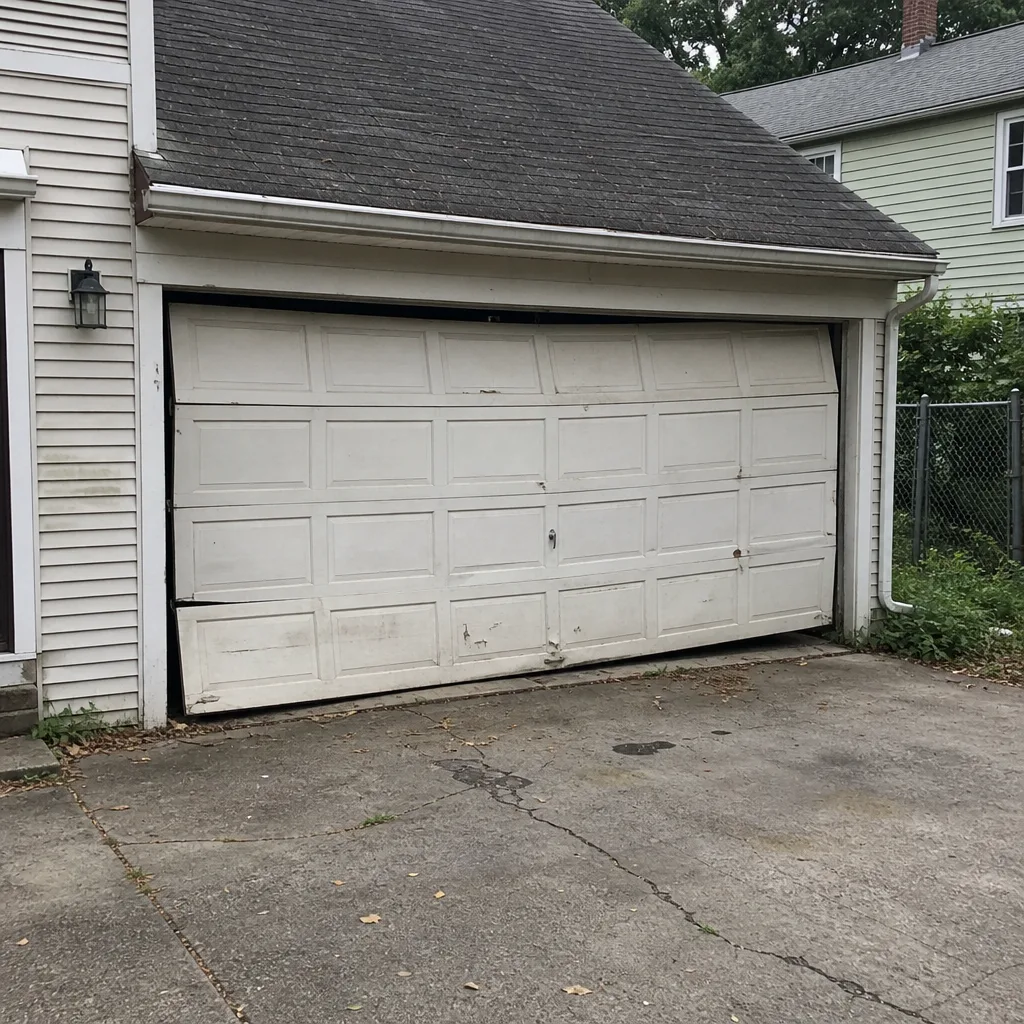 Before
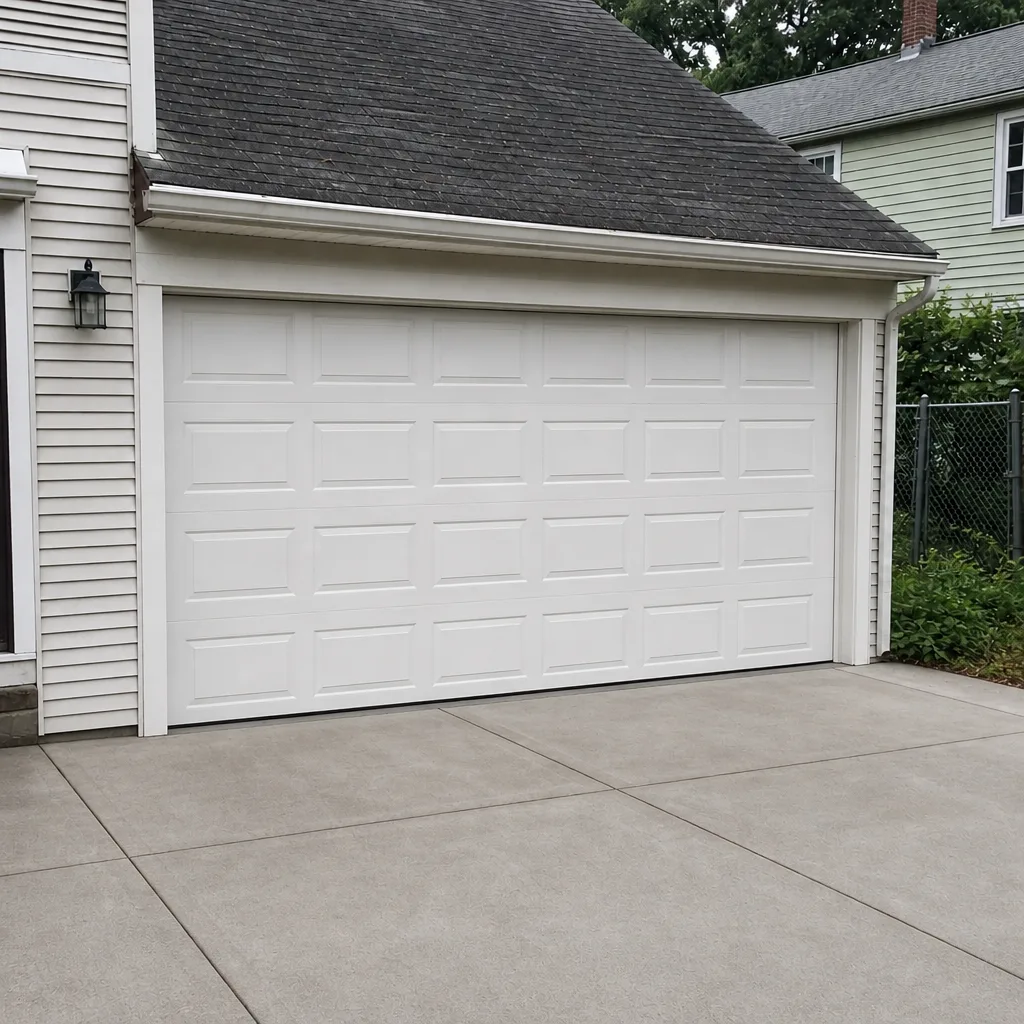 After
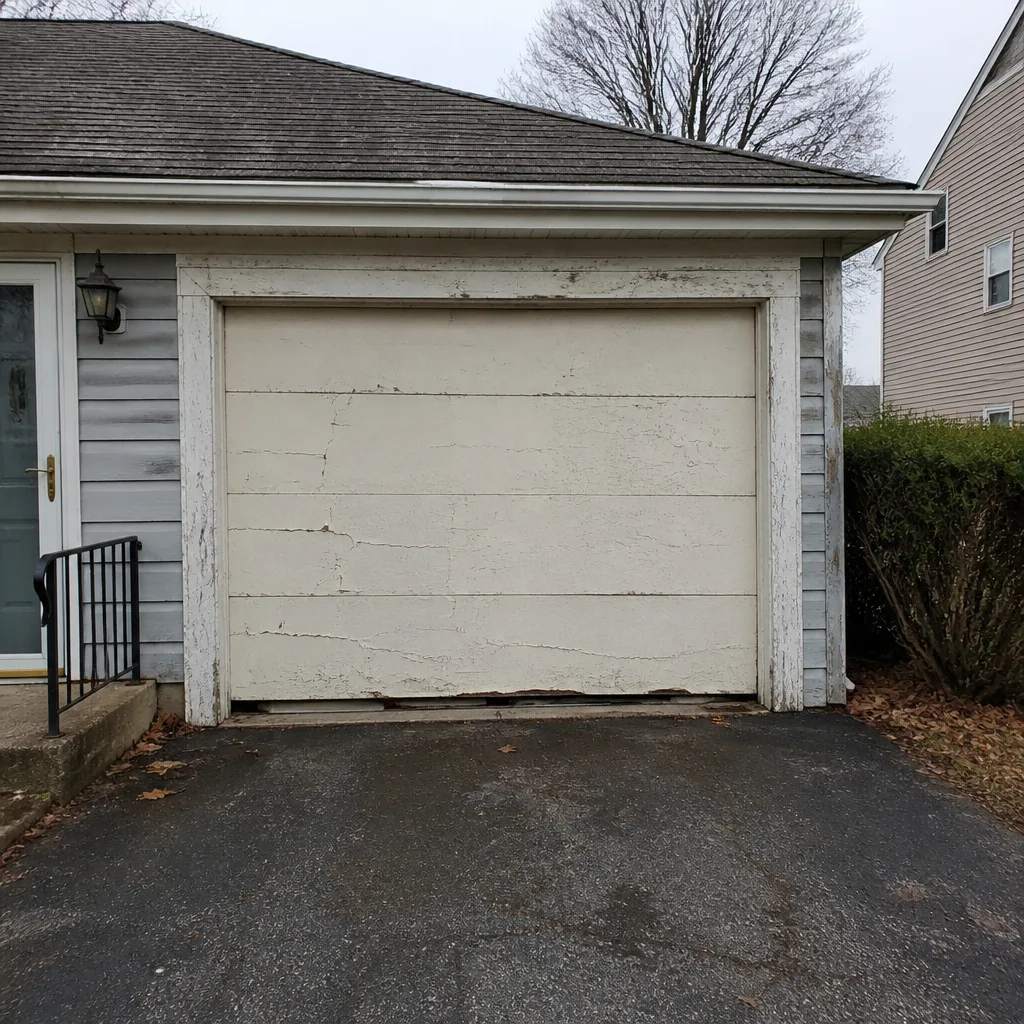 Before
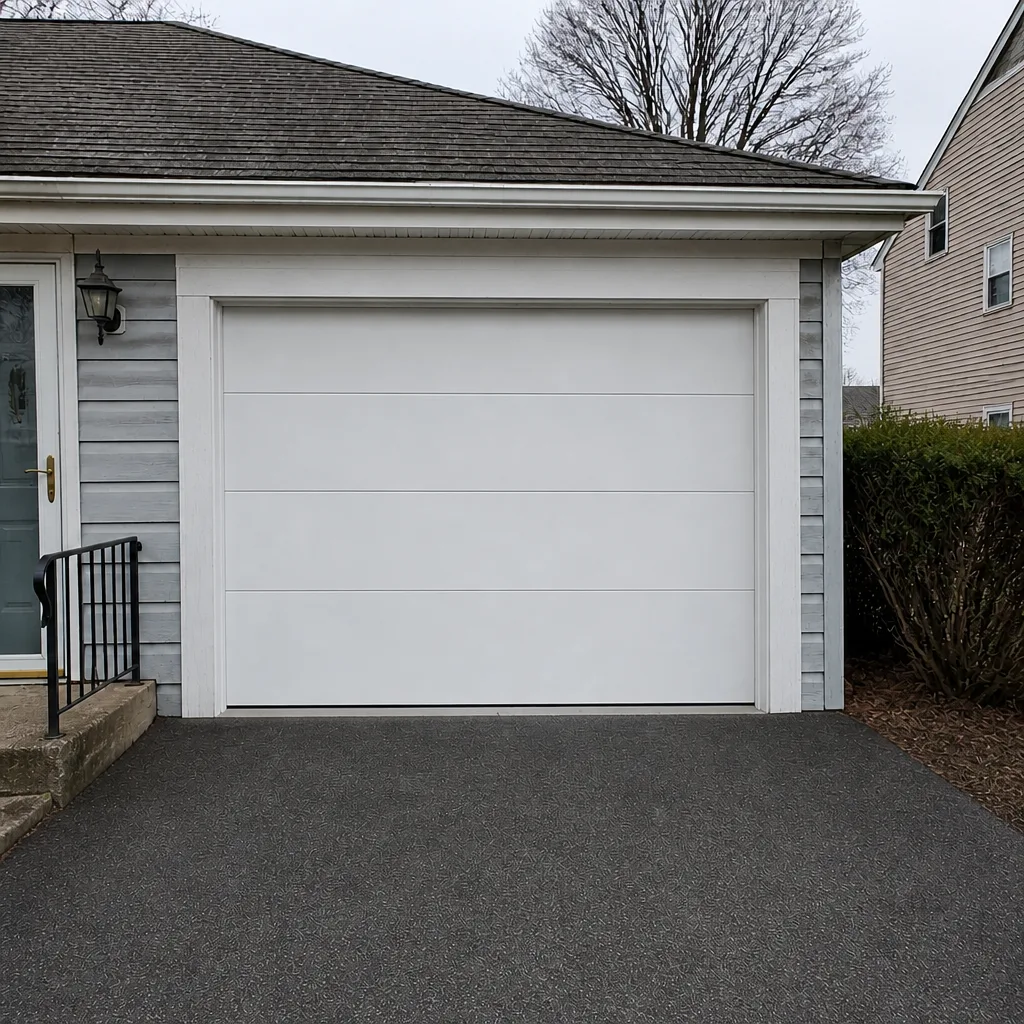 After
Frequently Asked Questions
A loud bang or snap from the torsion bar followed by a door that won’t lift – that’s a broken spring, and it’s the most urgent sign because the door loses its counterbalance and can drop. Don’t try to lift it by hand or run the opener with a broken spring; the motor will strain or fail. Call us and we’ll get a technician out to diagnose it safely.
No, or at least not safely past the most basic checks. A shudder usually means a worn roller, an out-of-alignment track, or an out-of-balance door. You can safely look at the rollers and track from a distance, but adjusting the track or the door’s balance requires gauging system tension, which is where injuries happen. Call (855) 658-4223 for an exact quote – estimates are free.
Cold weather tightens clearances in the door hardware and thickens old lubricant, so a worn roller or dry hinge becomes louder and stiffer. It’s a sign of wear that’s already present, not a new problem. If it acts up in winter and quiets in summer, that’s a door that needs service now, before the wear gets worse. Call us to schedule a check before temperatures drop.
The number and pattern of flashes after a failed close points to the specific issue. Repeated flashes usually mean a safety sensor problem; a flash followed by a reverse usually points to a travel limit or force setting. The exact code depends on your model, which is why we ask for the brand when you call. We service LiftMaster, Chamberlain, Genie, and Craftsman units and can usually read the code before we arrive.
Rust on a torsion spring is a wear signal, not just a cosmetic annoyance. A spring that’s rusty along its full length has lost metal integrity and is closer to failure. A single thin rust line on one spot is less urgent but worth watching. Either way, don’t touch the spring; call a technician for an inspection.
Yes – our Waltham Garage Door Repair Pros emergency service is dedicated to time-sensitive failures, including doors stuck open or closed, broken springs, and reversing openers. Call (855) 658-4223, tell us what’s happening, and we’ll get a technician out as soon as we can. Wait times depend on conditions, so calling sooner gives us more room to work with. The price is quoted before any work starts, so you’ll know what you’re paying before we touch the door.
The Bottom Line
A garage door warning sign is not something to wait on; it’s a signal about what’s coming next. Treat what you hear and see as a diagnostic chain. A shudder today becomes a snapped cable in 60 to 90 days. A rust stripe on a spring today is a snap in a few months. And Waltham’s seasonal swings will make a winter problem quieter in summer, which fools a lot of homeowners. Use the three tiers – fix today, fix in two weeks, or monitor – to know what you’re dealing with. Anything with springs or cables goes to a trained professional, no exceptions. If you’re not sure what you’re hearing or seeing, call us. Free estimates in Waltham, a written price before work starts, and a diagnosis of the cause rather than the symptom.
Call (855) 658-4223 for a free estimate from a garage door specialist who works on the brand you already own.
Written by the team at Waltham Garage Door Repair Pros.