Last updated November 22, 2026
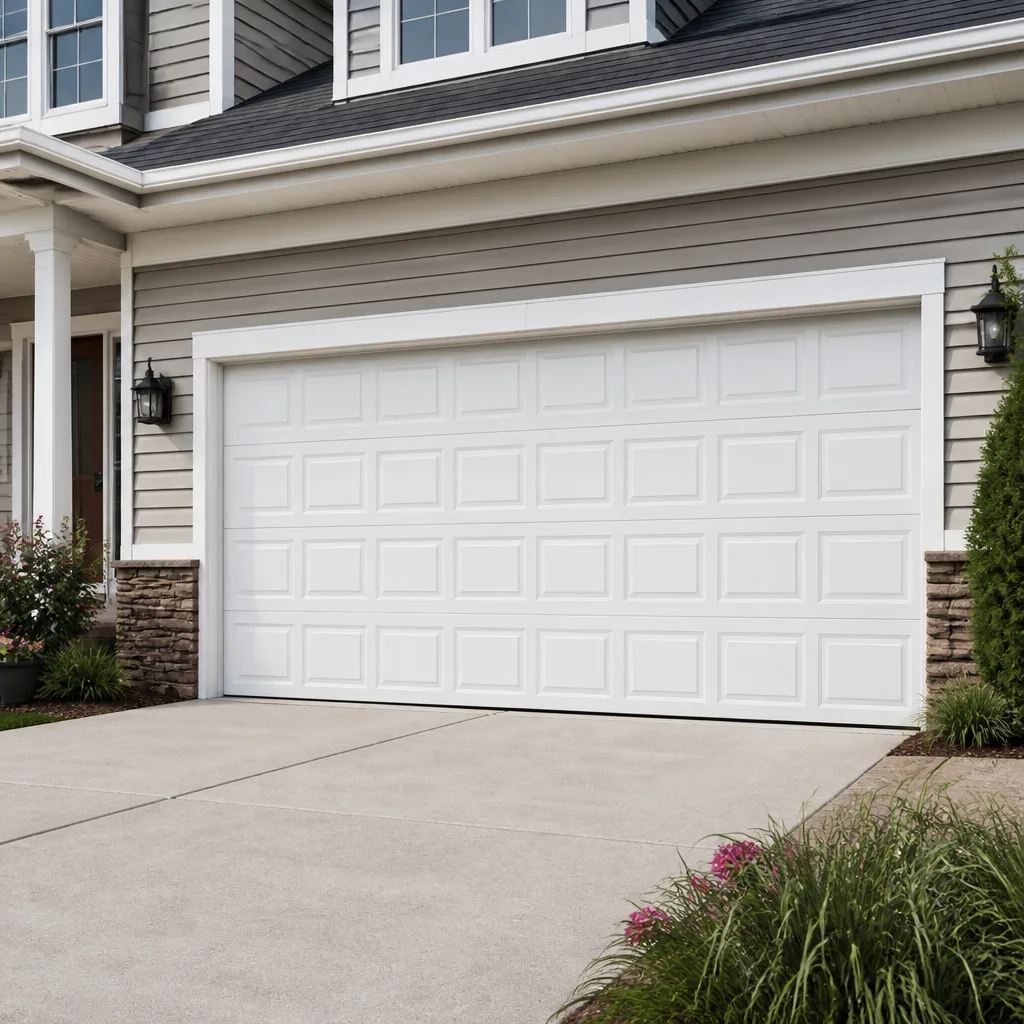 Raised-panel steel
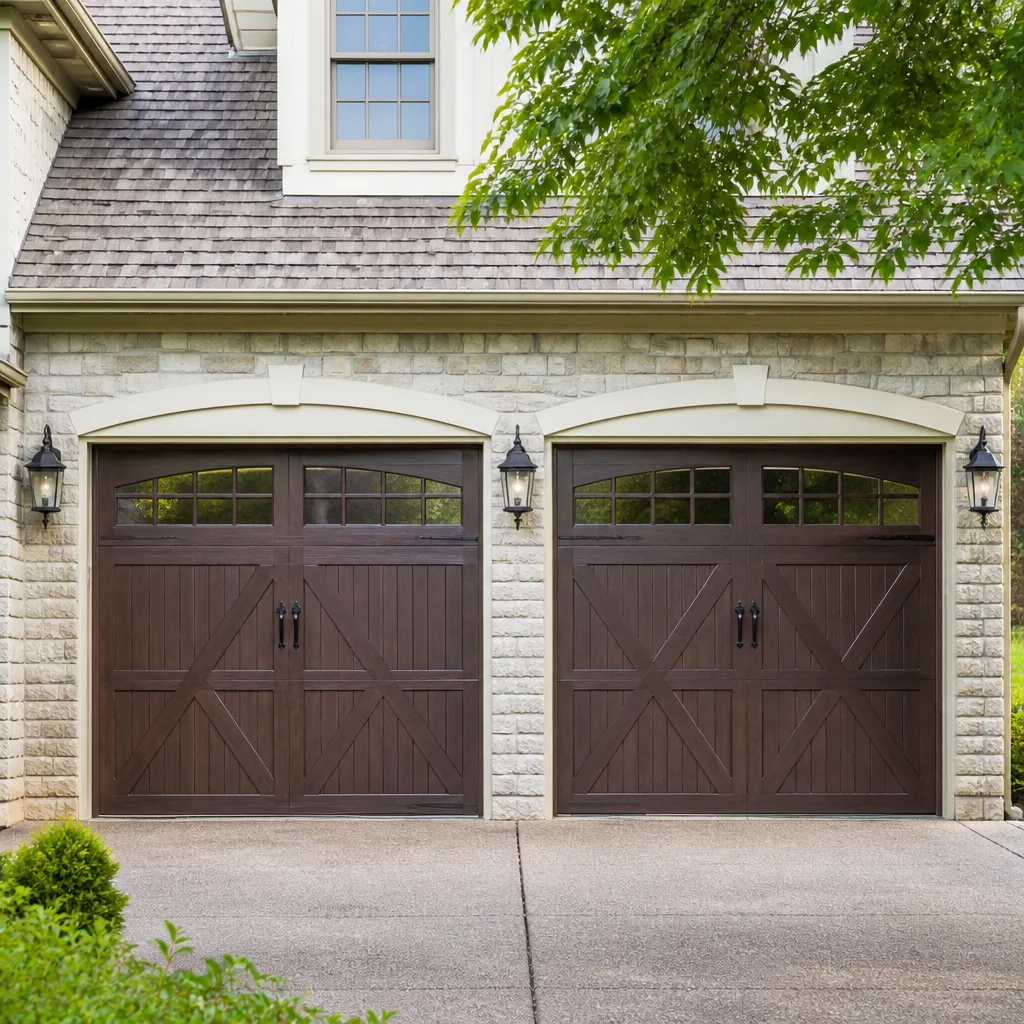 Carriage house
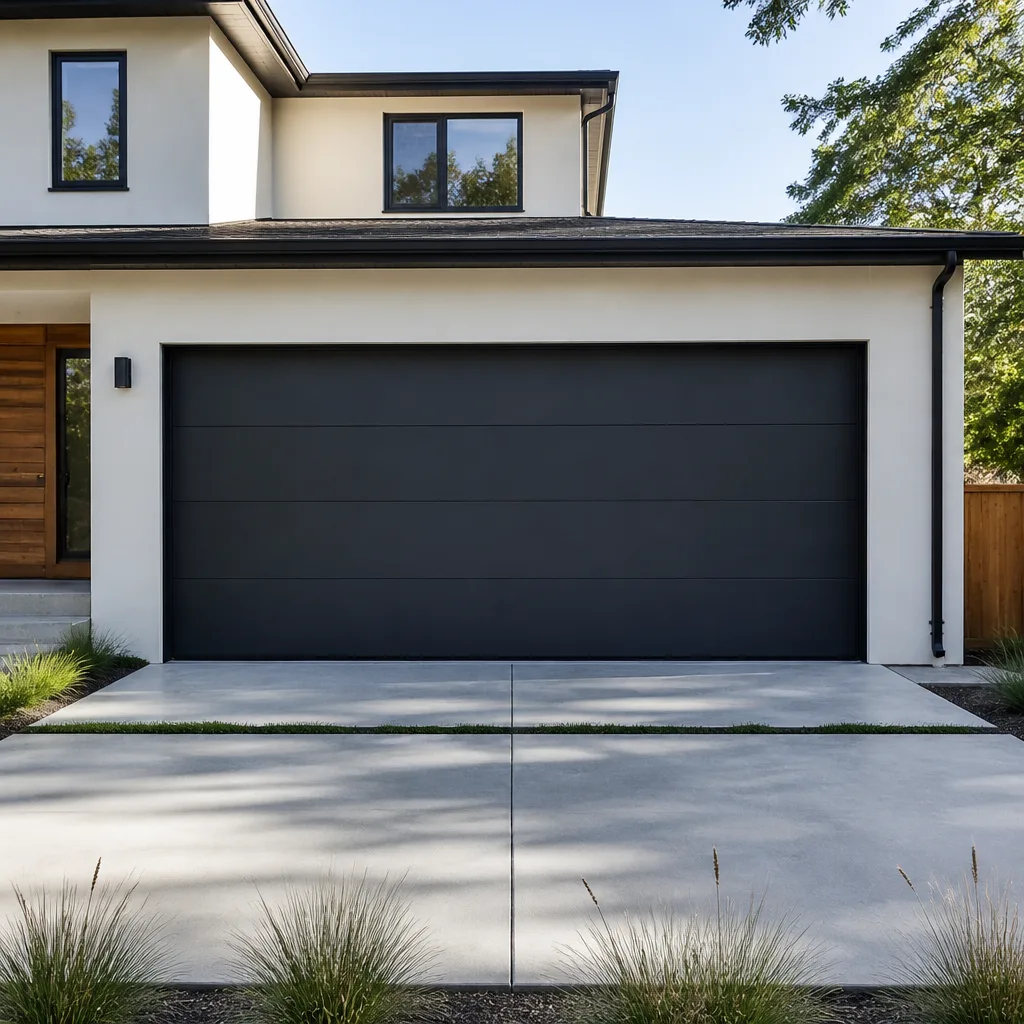 Modern flush
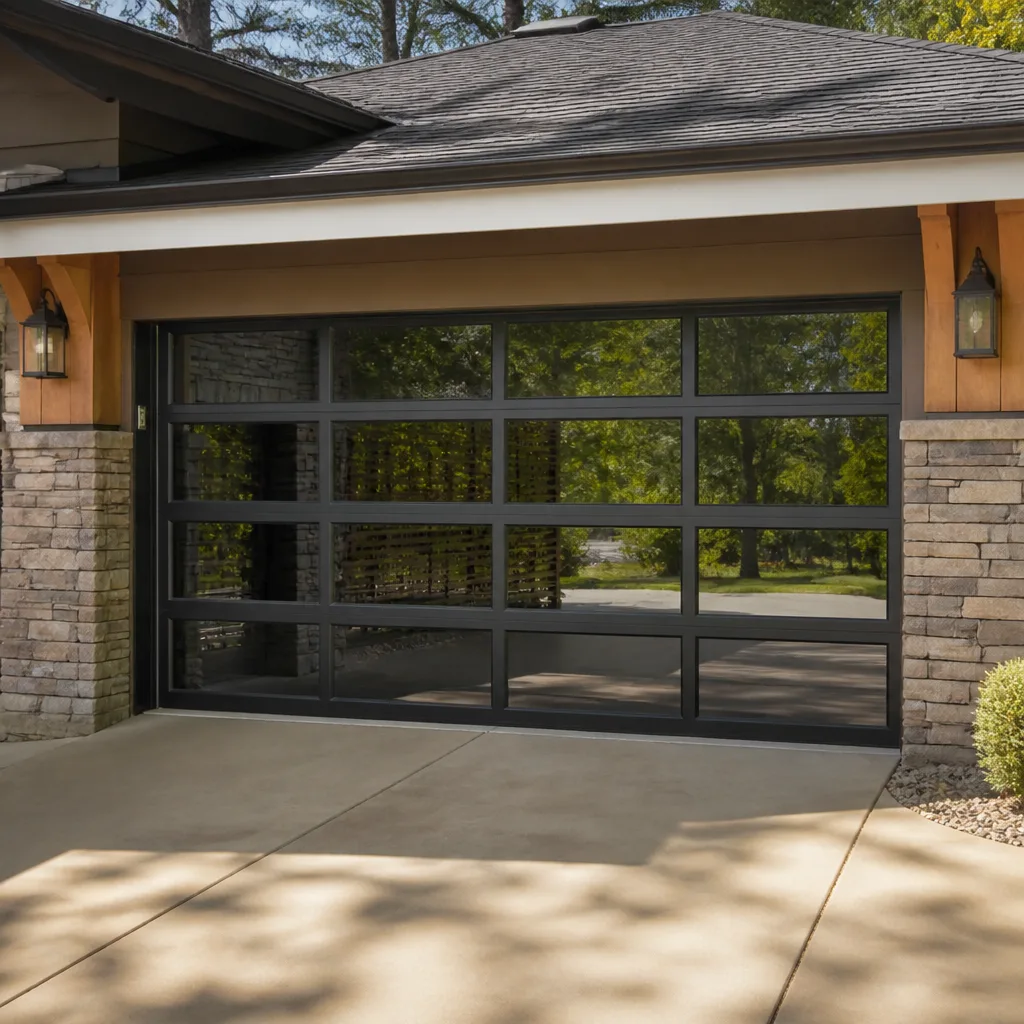 Full-view glass
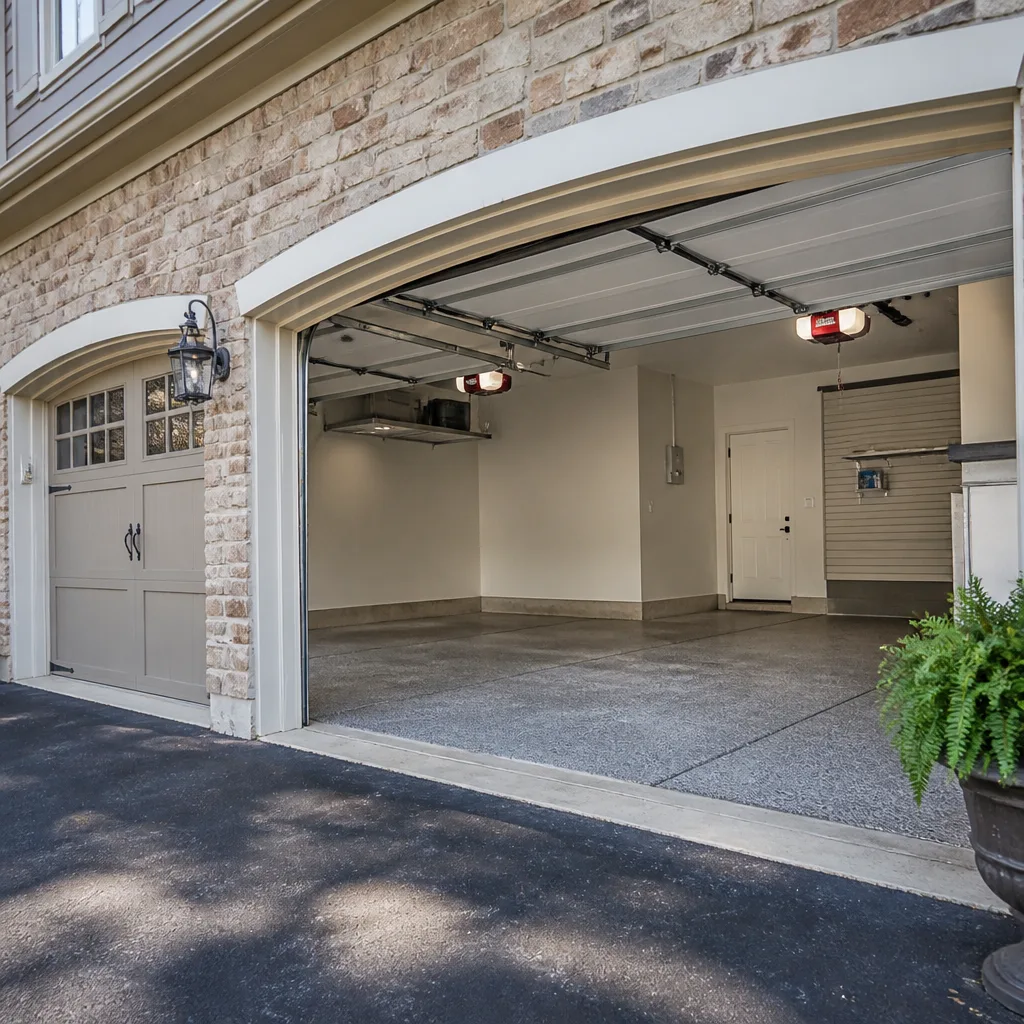 LiftMaster openers
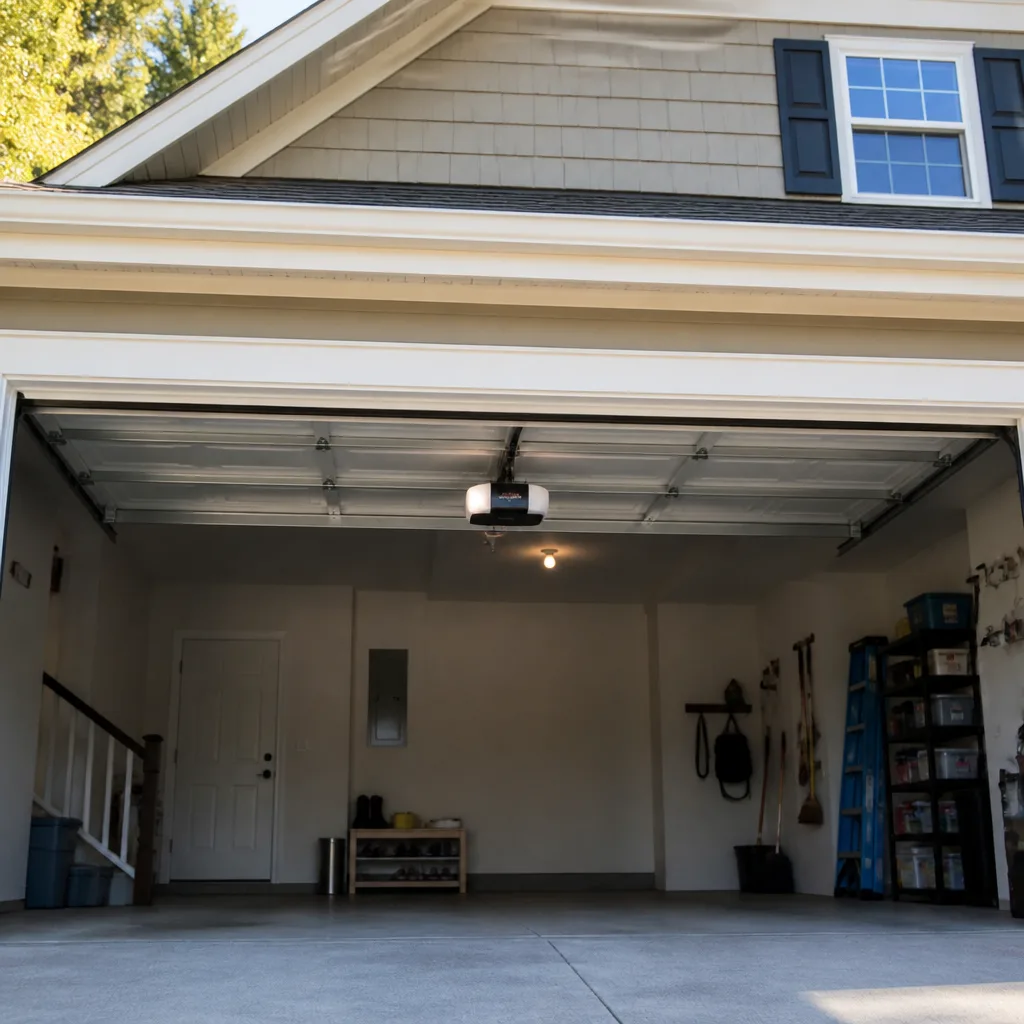 Chamberlain openers
Full 25-point door and opener safety check with every visit - springs, cables, rollers, tracks, and your LiftMaster or Chamberlain opener included
You get a price before we start. It does not change when the pro arrives.
Get your free estimateSeasonal Garage Door Care for Waltham: Year-Round Homeowner’s Guide
Most garage door advice treats the year as one long maintenance cycle: lubricate in spring, tighten in fall, done. That approach misses what actually breaks doors in Waltham. Your door doesn’t face “general wear” – it faces a February night that drops below zero and a July afternoon that bakes the panels at the other end of the thermometer. That swing, close to 110°F across the year, is working on springs, rollers, hinges and opener motors every single day. The failures that surprise homeowners usually started months earlier, in a different season, under conditions nobody thought to check. This guide walks through each of Waltham’s four seasons as its own mechanical environment, so you know what to look and listen for before something gives.
Quick Answer
Seasonal garage door care in Waltham means matching maintenance to the stress each season puts on the door: in winter, cold-thickened lubricant and sluggish openers; in spring, the freeze-thaw cycle that fractures torsion springs; in summer, heat expansion that makes panels bind; in fall, the pre-winter inspection that catches worn rollers and loose hinges before the cold arrives. Check the door once per season, lubricate moving parts before winter and after it, and call a technician the moment you hear a bang, see a gap in the spring, or notice the door reversing on its own.
Styles & brands we work with
- Raised-panel steel
- Carriage house
- Modern flush
- Full-view glass
- LiftMaster openers
- Chamberlain openers
Table of Contents
- Winter: Cold, Thick Lubricant and Phantom Obstructions
- Spring: Freeze-Thaw and the Sound of a Fractured Torsion Spring
- Summer: Thermal Expansion and the Door That Binds in July
- Fall: The Pre-Winter Prep Sequence
- Attached Garages in Older Waltham Homes: The Humidity Problem
- The Five-Minute Monthly Check
- Common Mistakes to Avoid
- When to Call a Professional
Winter: Cold, Thick Lubricant and Phantom Obstructions
Winter is when your garage door works hardest for the least cooperation. The metal contracts, the lubricant stiffens, and the opener motor has to push through all of it. When a Waltham homeowner calls us in January saying the door “feels slow” or “keeps stopping halfway,” the cause is usually not a failing motor. It’s grease that has turned to something closer to wax in the cold, plus rollers that are dragging instead of rolling.
Here’s what’s happening mechanically. Garage door lubricant is formulated to flow at normal temperatures. Below freezing, a general-purpose grease or a heavy oil thickens and stops doing its job. The rollers stop spinning freely and start skidding along the track. The torsion spring has to overcome more resistance, the opener draws more current, and the safety reverse system – the one that’s supposed to stop the door if something’s in the way – can read that extra resistance as an obstruction and send the door back up.
Signs your door is struggling in the cold
- The door reverses for no visible reason, especially on the first cycle of a cold morning.
- The opener sounds labored or the door moves in hesitant increments.
- You can hear squeaking, grinding or a dry scraping sound as the door travels.
- The door doesn’t close all the way and reopens a few inches from the floor.
- The wall control or remote takes more than one press to trigger the opener.
If your opener is a LiftMaster or Chamberlain unit with a modern safety sensor setup, those false obstruction trips are especially common in cold weather because the sensors themselves can fog or frost over. Wipe them clean before assuming the opener is failing. If the door still reverses after a clean sensor lens and a temperature above freezing, that’s a mechanical issue worth a professional look.
What helps in winter: a cold-rated lubricant on the rollers, hinges and spring, applied before the first hard freeze and again mid-season if the door gets noisy. Don’t spray anything heavy or sticky on the tracks – tracks want to stay clean and dry. If your door has been binding for more than a few days, it’s better to have the balance checked than to keep forcing the opener through it. That motor is not designed to overcome a door that’s out of balance, and running it that way shortens its life. For a door that’s already stopped working, emergency garage door service exists precisely for this scenario.
Spring: Freeze-Thaw and the Sound of a Fractured Torsion Spring
Spring is the highest-risk season for torsion springs in Waltham, and the reason is the freeze-thaw cycle, not the warming itself. Through late winter and early spring, temperatures cross the freezing line repeatedly – melting snow and ice during the day, refreezing at night. That cycle puts the spring through constant load changes as the metal expands and contracts. A spring that’s already near the end of its fatigue life usually lets go during one of these transitions.
What does a failing spring sound like? Homeowners describe it the same way almost every time: a loud bang from the garage, like a gunshot or a heavy door slamming, sometimes followed by the door dropping a few inches or refusing to open at all. If you hear that sound, stop. Don’t try the opener again. A door with a broken torsion spring is under uncontrolled weight, and forcing it can damage the opener, bend the tracks, or worse.
On a torsion spring system, you can often see the break without touching anything: a visible gap in the coil, usually about a quarter-inch to an inch wide, somewhere along the spring’s length. On extension springs, look for a stretched or dangling spring on the side of the door.
What to do when a spring breaks
- Stop using the opener immediately and don’t try to lift the door by hand.
- Keep people and pets clear of the door until it’s repaired.
- Look – but don’t touch – for a visible gap in the torsion spring above the door.
- Call a trained technician. Springs are under extreme tension and this is not a DIY job.
We want to be direct about the safety side, because it matters. Garage door springs store an enormous amount of energy. Manufacturers and industry safety groups explicitly warn against homeowners replacing them, and for good reason: the winding process requires specific tools and knowledge of how to control that stored energy. A spring that releases while someone is winding it can cause serious injury. Our garage door spring repair work is done by trained technicians using the right tools, and it’s one of the specialties we focus on most. Spring repair is not a job to hand to a general handyman or attempt yourself.
One more spring-season note: after the freeze-thaw period, it’s worth having the door’s balance checked. A door that’s slightly out of balance in March will put extra strain on the opener all summer.
Summer: Thermal Expansion and the Door That Binds in July
A door that tracked perfectly in March can bind in July, and the cause is thermal expansion. Steel and aluminum panels expand in heat. The tracks expand too, but not always by the same amount, and not always in the same direction. When the panels grow against a track that’s grown slightly differently, the clearance between roller and track tightens. Add humidity that swells wooden door components or makes rollers stick, and you get a door that scrapes, jerks or stops partway through its travel on a hot afternoon.
This is one of the most misdiagnosed problems we see. Homeowners assume the opener is failing because the door works fine in the morning and struggles at 3 p.m. It’s not the opener – it’s clearance and expansion. The fix is usually adjustment, not replacement.
Summer symptoms worth noting
- The door binds or scrapes only on hot days, especially in direct afternoon sun.
- A steel or aluminum door develops a rhythmic squeak at certain points in its travel.
- The door drifts or doesn’t stay fully open.
- Panels show a slight bow or the door looks less even than it did in cooler months.
- The opener strains more in the afternoon than in the morning.
Summer is also the season to check the opener’s force settings and safety reverse. Heat-related binding increases resistance, and an opener with its force setting turned up too high to compensate can fail to reverse when it should – a genuine safety concern. The reverse test is simple: place a rolled-up towel or a piece of wood flat on the floor in the door’s path and run the door down. It should reverse on contact. If it doesn’t, stop using the door until that’s corrected.
If your door is a Clopay, Amarr or Wayne Dalton model, the panel construction and insulation differ, but the thermal expansion principle is the same. Insulated doors can be heavier and put more demand on the springs and opener in heat, which makes balanced operation more important, not less. A door that’s properly balanced in July runs the same as it does in March.
Fall: The Pre-Winter Prep Sequence
Fall is the season that determines how your door survives winter. The prep work you do now is what keeps February’s cold from turning a worn roller into a snapped cable or a stalled opener. The good news is that the core inspection takes under 20 minutes, and most of it is visual and hands-on.
This is the sequence we recommend for Waltham homeowners each fall, before the first hard freeze:
- Inspect the rollers. Look at each roller along both sides of the door. Worn steel rollers develop flat spots and stop turning; nylon rollers crack or chip. A roller that doesn’t spin freely by hand is a roller that will drag all winter. This is the single most overlooked item in fall prep.
- Check the hinges. Each hinge should be tight against the panel with no wobble. Loose hinges let the door sag and throw off the alignment between panels, which shows up as binding once the cold arrives.
- Lubricate moving parts. Rollers, hinges, the spring and the bearing plates get a light, cold-rated lubricant. Tracks stay clean and dry. Never grease the tracks.
- Test the balance. Disconnect the opener (pull the release handle) and lift the door halfway. It should stay where you put it. If it drops or rises, the springs need attention before winter.
- Test the safety reverse. Both the contact reverse (the towel test) and the photo-eye sensors. Wipe the sensor lenses clean – they’ll frost and fog in cold weather.
- Check the weather seal and bottom rubber. A cracked or flattened bottom seal lets cold air, snow and pests in. It’s a cheap part and an easy replacement.
- Look at the cables. Cables should be taut and free of fraying or kinks. A frayed cable is a failure waiting to happen – don’t ignore it.
- Clear the tracks. Debris, leaves and grit collect in the tracks through fall. A clean track with a dry cloth is all it needs.
If any step turns up something you’re not sure about – a cable with a fray, a spring that looks different than it did last year, a door that won’t balance – that’s the point to have it looked at. Fall is also when garage door repair calls spike, because problems that developed over the summer get noticed when the weather turns. Getting ahead of it in October is easier than dealing with it in January.
Attached Garages in Older Waltham Homes: The Humidity Problem
Waltham has a lot of older housing stock, and a large share of those homes have attached garages. That combination creates a specific problem that detached garages don’t have: shared humidity with the living space. An attached garage shares at least one wall – often two – with the house, and warm, moist air from the living area migrates into the garage. In an older home with less airtight construction, that migration is more pronounced.
What does humidity do to a garage door? It corrodes hinges, roller shafts and bearing plates faster than dry air would. It swells wooden panels and can warp them. It rusts track sections, especially near the floor where moisture collects. And it makes the door heavier and less smooth to operate, which adds strain to springs and opener alike.
The year-round management is straightforward:
- Keep the garage ventilated when weather allows – open the garage door on dry days rather than sealing the space.
- Check for moisture sources inside the garage: a damp floor, a leaking water heater, storage against the walls that traps damp.
- Wipe down hinges and roller shafts once a season and keep them lightly lubricated so rust has a harder time taking hold.
- If your garage shares a wall with a finished basement or living space, watch for condensation on that wall in humid months.
- Inspect the bottom seal and the threshold – it’s the most common entry point for ground moisture.
An attached garage in a Waltham home also tends to be used more heavily than a detached one – it’s the main entry, the storage room, the mudroom. That extra daily use means parts wear faster. Rollers and hinges on a door that cycles six or eight times a day will wear out sooner than the same parts on a door that cycles twice. Treat the seasonal checks as more important, not less, if your garage is a busy one.
The Five-Minute Monthly Check
Between the seasonal deep checks, a five-minute monthly look catches most developing problems before they become breakdowns. You don’t need tools for most of it.
- Listen. Run the door up and down and listen for new sounds – squeaks, grinding, a rhythmic thump. New sounds are the earliest warning you get.
- Watch the travel. The door should move smoothly and evenly in both directions. Jerking, hesitating or a door that drifts to one side is a sign of imbalance or a track issue.
- Test the reverse. The towel test on the floor, every month if the door gets daily use.
- Look at the springs. A visible gap means a break. Don’t touch – just note it and call.
- Check the sensors. Photo-eye lenses clean, aligned and the indicator light steady.
- Check the seal. A quick look along the bottom for cracks, gaps or daylight showing through.
If you keep a simple note of what you hear and see, you’ll notice changes faster. A door that’s been quiet for months and suddenly squeaks in one spot is telling you something. For opener-specific issues – remotes that need multiple presses, a wall control that’s slow to respond, a door that won’t close from the car – our garage door opener repair service covers the motorized side, including the Genie and LiftMaster systems many Waltham homes already have. We work on the brand you already own rather than steering you toward a new unit.
Common Mistakes to Avoid
- Greasing the tracks. It feels like it should help, but lubricant on the tracks attracts dirt and grit that turns into a sticky paste. Tracks stay clean and dry; rollers and hinges get the lubricant.
- Ignoring a slowing door in winter. A door that’s gotten sluggish in the cold is usually telling you the lubricant has stiffened or the springs are working harder. Left alone, that extra strain wears out the opener.
- Turning up the opener’s force setting to “fix” a binding door. This masks the symptom and disables the safety feature that protects people and property. Fix the cause, not the setting.
- Assuming a spring is fine because the door still opens. On a two-spring system, one spring can break and the door will still operate, usually unevenly and with more strain. Look at both springs, not just the door’s behavior.
- Skipping the fall inspection because the door “seems fine.” Most winter breakdowns in Waltham trace back to a worn roller or a loose hinge that was visible – and fixable – in October.
- Forcing a door after a spring break. Running the opener on a door with a broken spring can damage the opener, bend the tracks and create a genuine hazard. Stop and call.
- Overlooking humidity in an attached garage. Rust on hinges and roller shafts in an older Waltham home is often a humidity problem, not a door problem. Address the moisture source, not just the rust.
If you’re not sure whether a sound, a wobble or a drift is normal, a free estimate is the fastest way to find out. We’d rather look at a door in October than replace an opener in January. You can reach us at (855) 658-4223.
See the difference
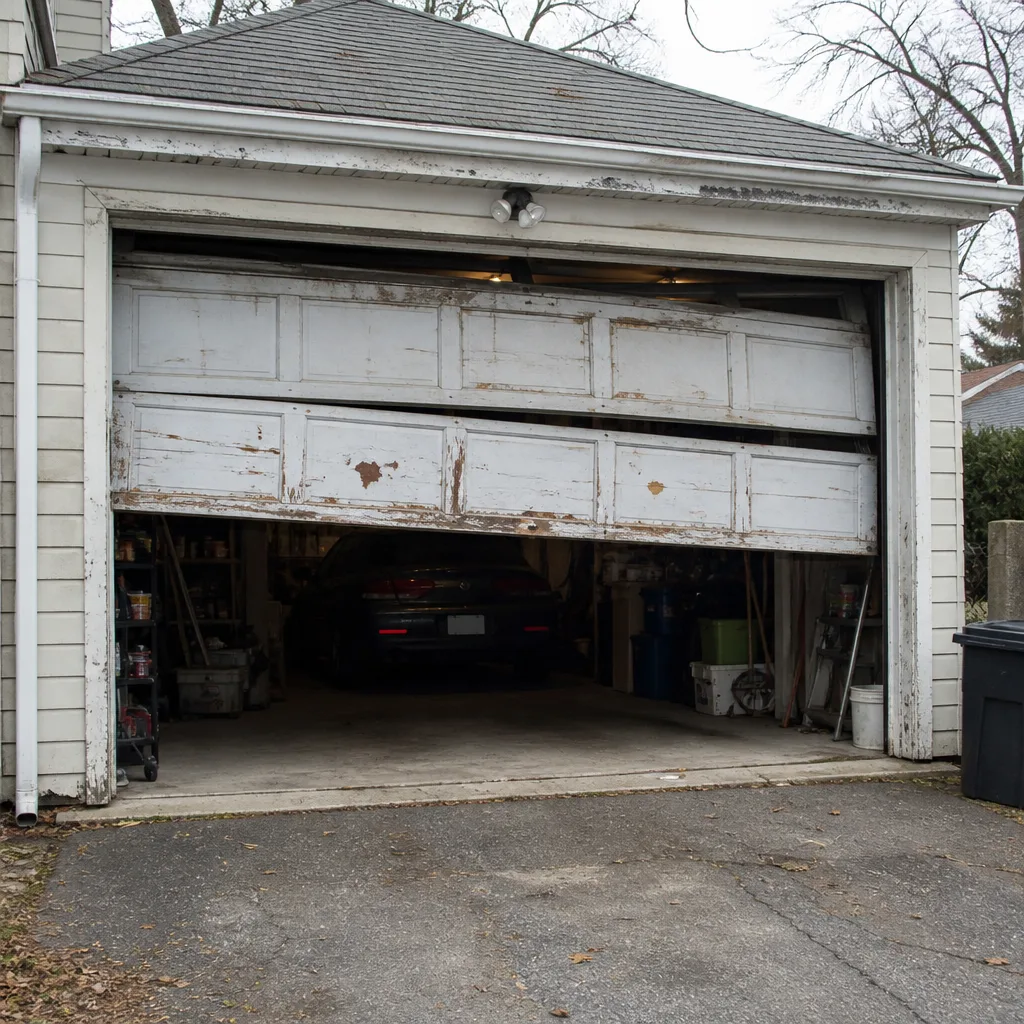 Before
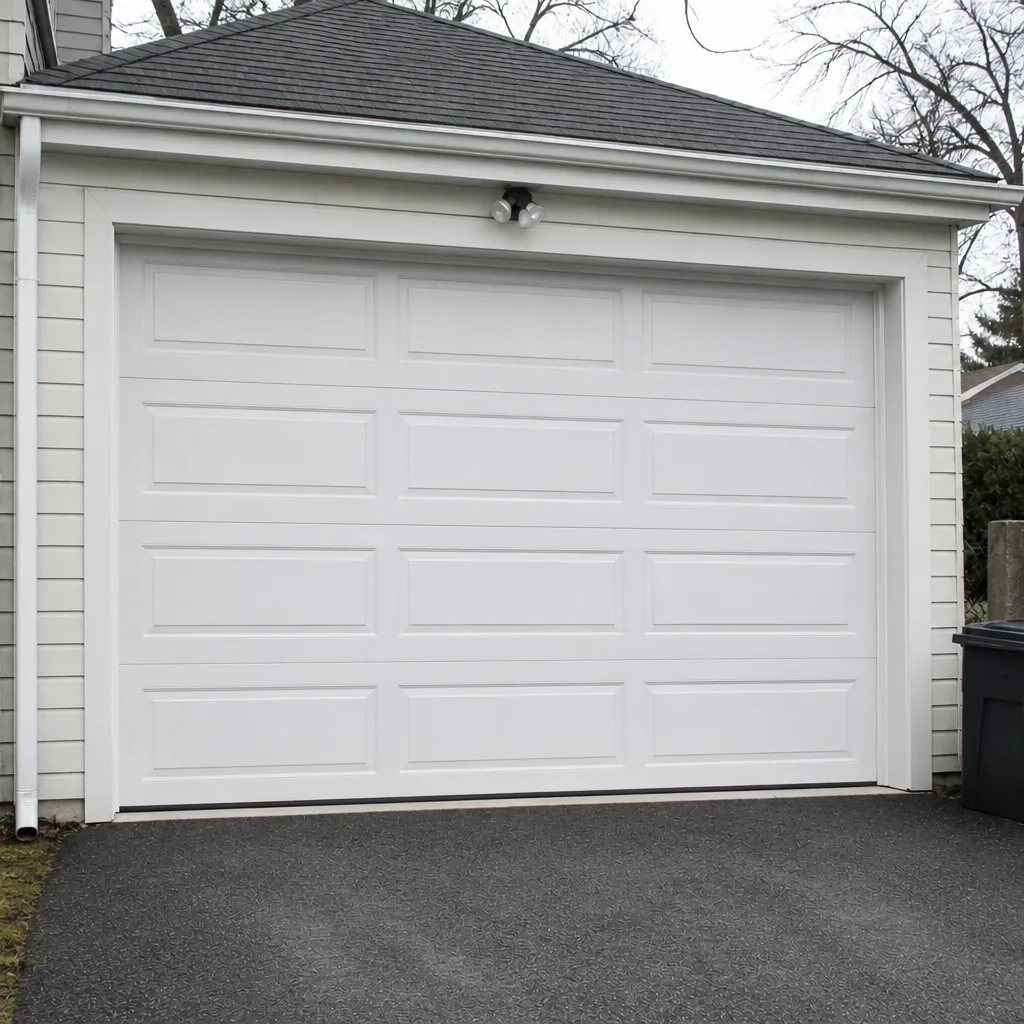 After
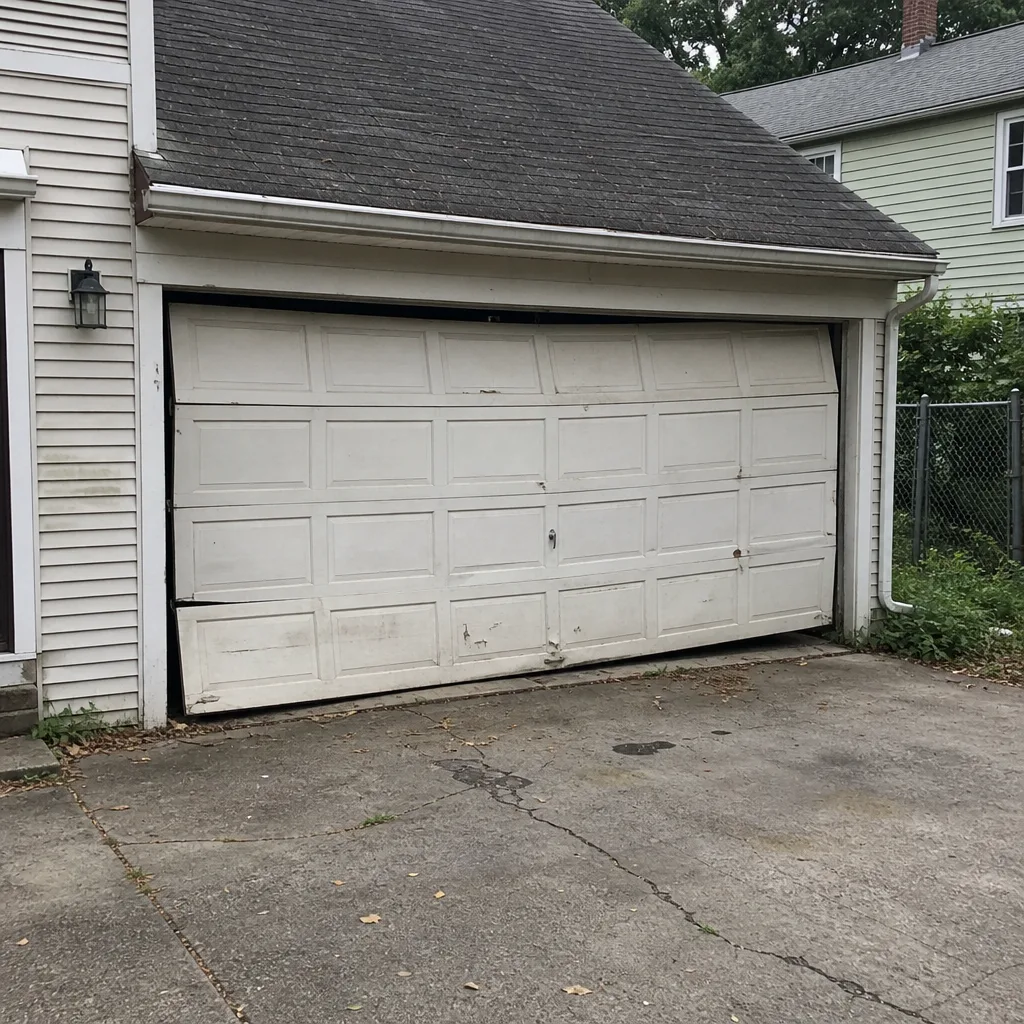 Before
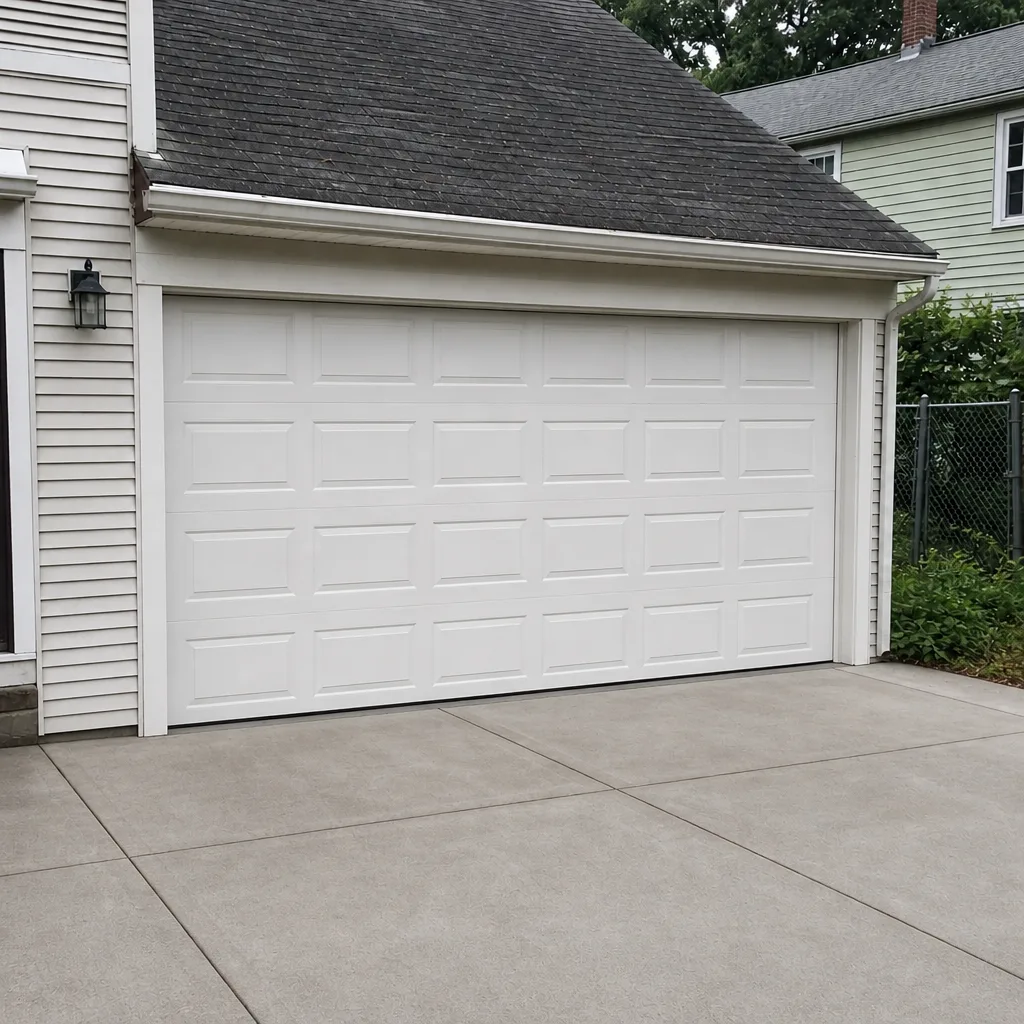 After
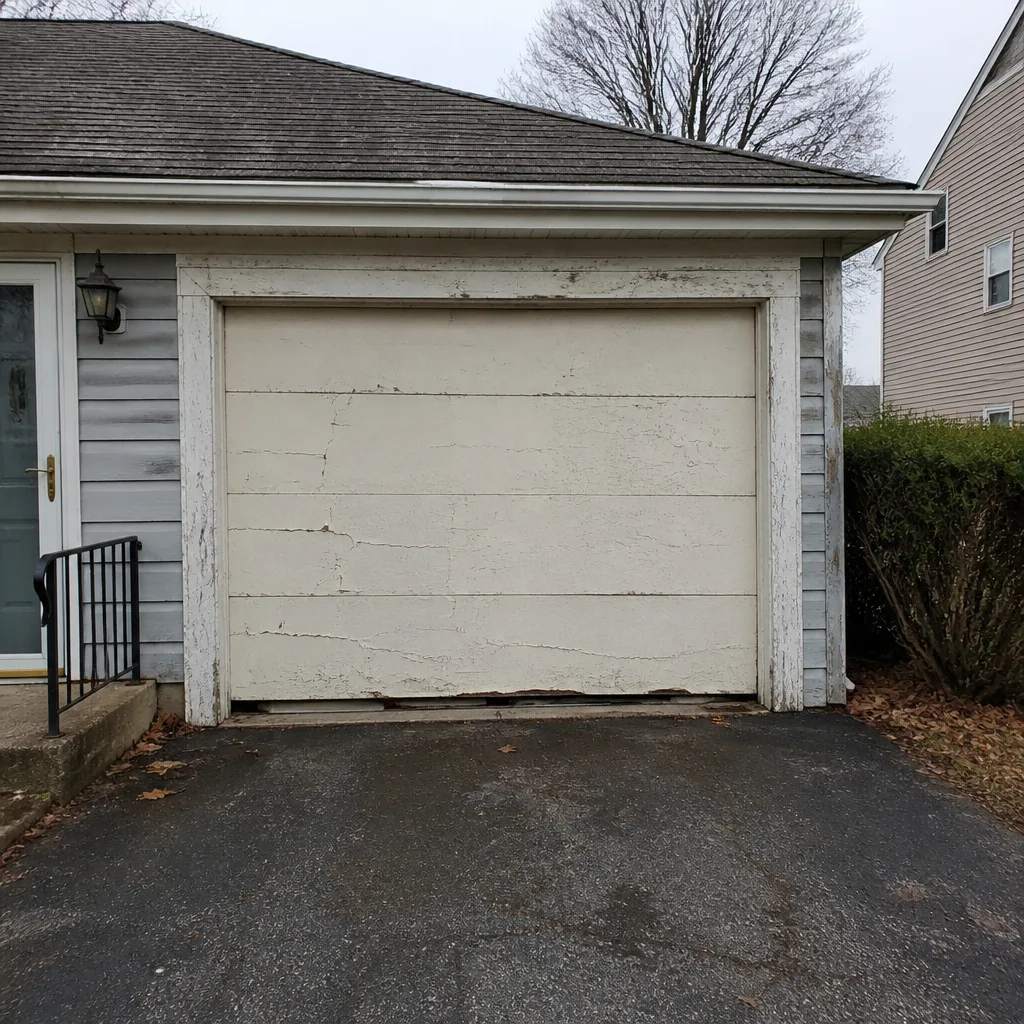 Before
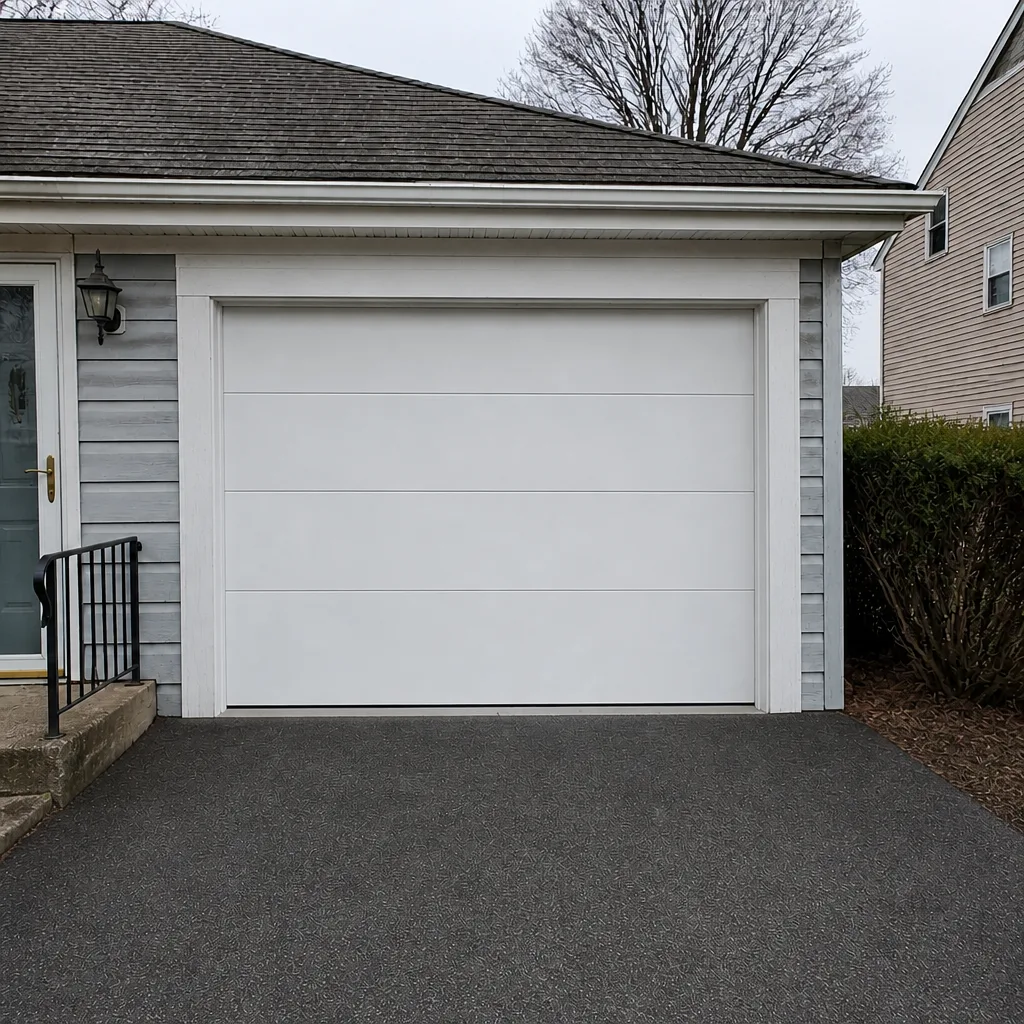 After
When to Call a Professional
Some issues are routine and some need a trained technician. Call us when you hear a bang from the garage, see a gap in a torsion spring, or the door won’t open or close at all. Call when a cable looks frayed, when the door reverses for no visible reason after you’ve cleaned the sensors, or when the balance test fails. Call if a door that ran fine in March binds in July and stays bound after the tracks are cleaned. And call if you’re in an older Waltham home with an attached garage and you’re seeing rust or condensation you can’t account for. Springs, cables and opener force settings are safety-critical, and getting them wrong can cause real injury or property damage. Waltham Garage Door Repair Pros offers free estimates in Waltham – call (855) 658-4223.
Our technicians have up to 10 years of experience, and our focus is garage doors only – diagnosis, repair, spring work, opener service and new installation. If your door is beyond economical repair, we handle replacement too, so you’re not tracking down a second contractor. If you’re planning ahead, a new garage door installation starts with a free measure and a written price, and we work with Raynor and Clopay systems among others. For emergencies, our dedicated emergency garage door service is a named offering, not an afterthought. When you’re ready, start with Waltham Garage Door Repair Pros.
Frequently Asked Questions
Once per season, plus a five-minute visual and listening check each month if the door gets daily use. The seasonal checks matter most in fall (before the cold) and spring (after the freeze-thaw cycle). Monthly checks catch new sounds and small drifts before they become breakdowns.
A loud bang, like a gunshot or a heavy door slamming, often followed by the door dropping a few inches or refusing to open. On a torsion system, look for a visible gap in the coil above the door. Don’t try the opener again – stop and call a technician. Springs are under extreme tension and are not a DIY repair.
Cold-thickened lubricant and stiff rollers increase resistance, and your opener’s safety system can read that resistance as an obstruction and send the door back up. Clean the sensor lenses first, then check whether the door runs smoothly at temperatures above freezing. If it still reverses, the door needs a mechanical inspection.
Yes, for rollers, hinges, the spring and bearing plates – a light cold-rated lubricant, not grease, and never on the tracks. Skip anything involving the springs’ tension, cables or the opener’s internal force settings. Those are safety-critical and belong with a trained technician.
Thermal expansion. Steel and aluminum panels grow in heat, and the clearance between rollers and tracks tightens. A door that tracks fine in March can scrape or bind in July, especially in direct afternoon sun. It’s usually an adjustment issue, not an opener failure.
It’s common in older Waltham homes with attached garages, where shared walls and household humidity speed up corrosion on hinges and roller shafts. Keep the garage ventilated when weather allows, watch for moisture sources, and keep hinges lightly lubricated. If rust is spreading or the door feels heavier, have it inspected.
No surprise invoices. We look at the door, explain what we’ve found, and quote the price before any work starts. The written estimate is the price. If the diagnosis changes what’s needed, you’ll hear about it before we touch anything. Call (855) 658-4223 for a free estimate.
The Bottom Line
Your garage door in Waltham doesn’t need one annual tune-up. It needs attention matched to the season. Winter is about cold-thickened lubricant and sluggish openers. Spring is the freeze-thaw window when torsion springs fracture. Summer is thermal expansion and binding. Fall is the 20-minute inspection – rollers, hinges, balance, safety reverse – that gets the door through winter. Add a five-minute monthly check, keep an eye on humidity if your garage is attached, and stop at the first bang or visible spring gap. One call gets you a diagnosis, a written price, and a repair done before the next season starts.
Contact Us
If winter is coming or spring has arrived and you’d rather know than guess, call Waltham Garage Door Repair Pros at (855) 658-4223 for a free estimate. We’ll look at the door, tell you what we find, and quote the price before any work starts. From a stiff opener to a broken spring to a door that needs replacing, it’s one call and one specialist.
Written by the team at Waltham Garage Door Repair Pros.