Last updated November 22, 2026
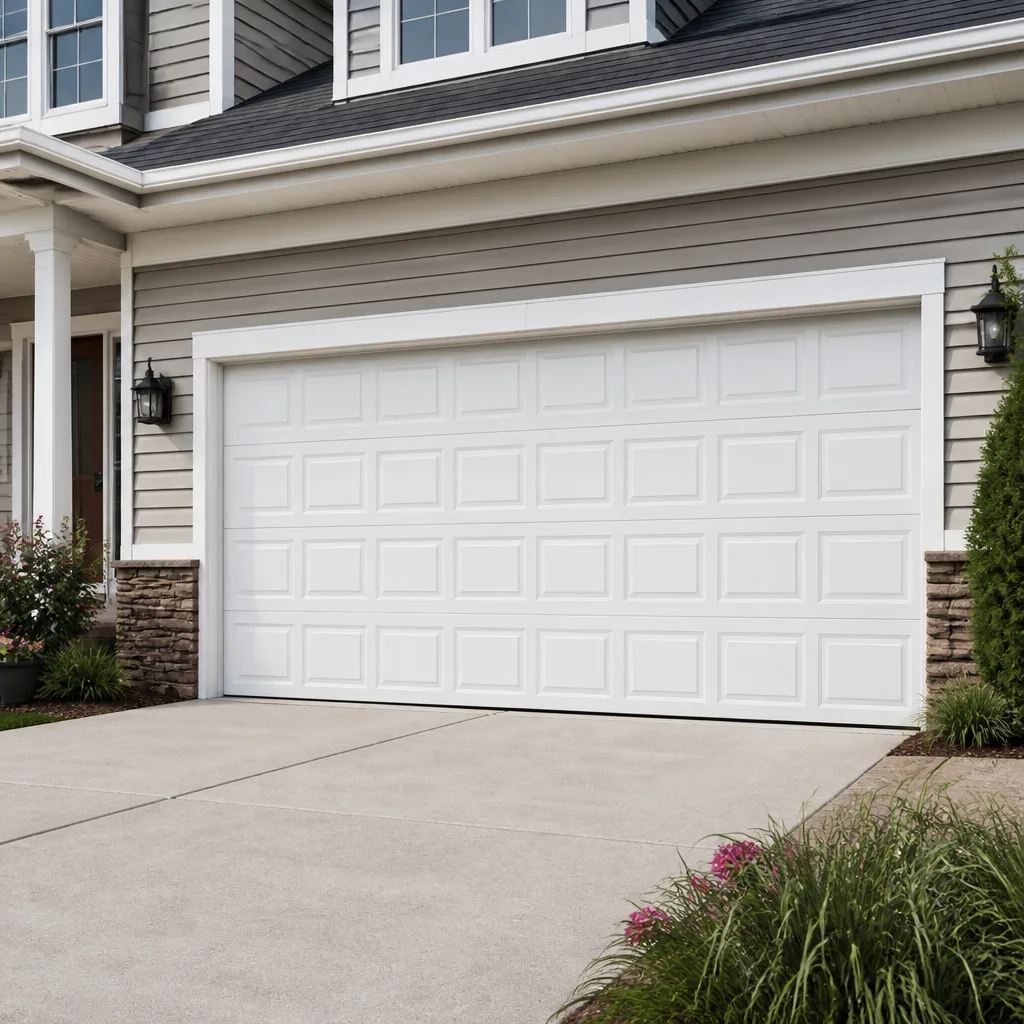 Raised-panel steel
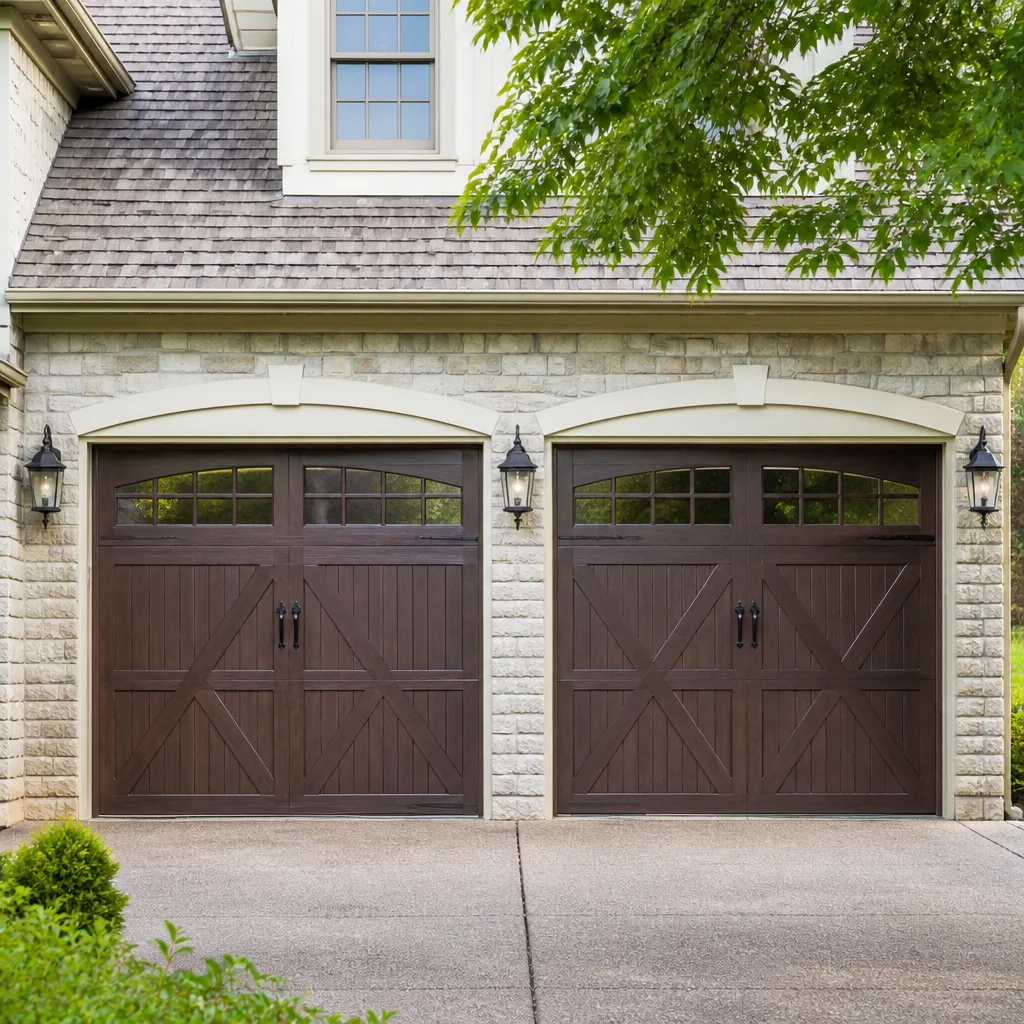 Carriage house
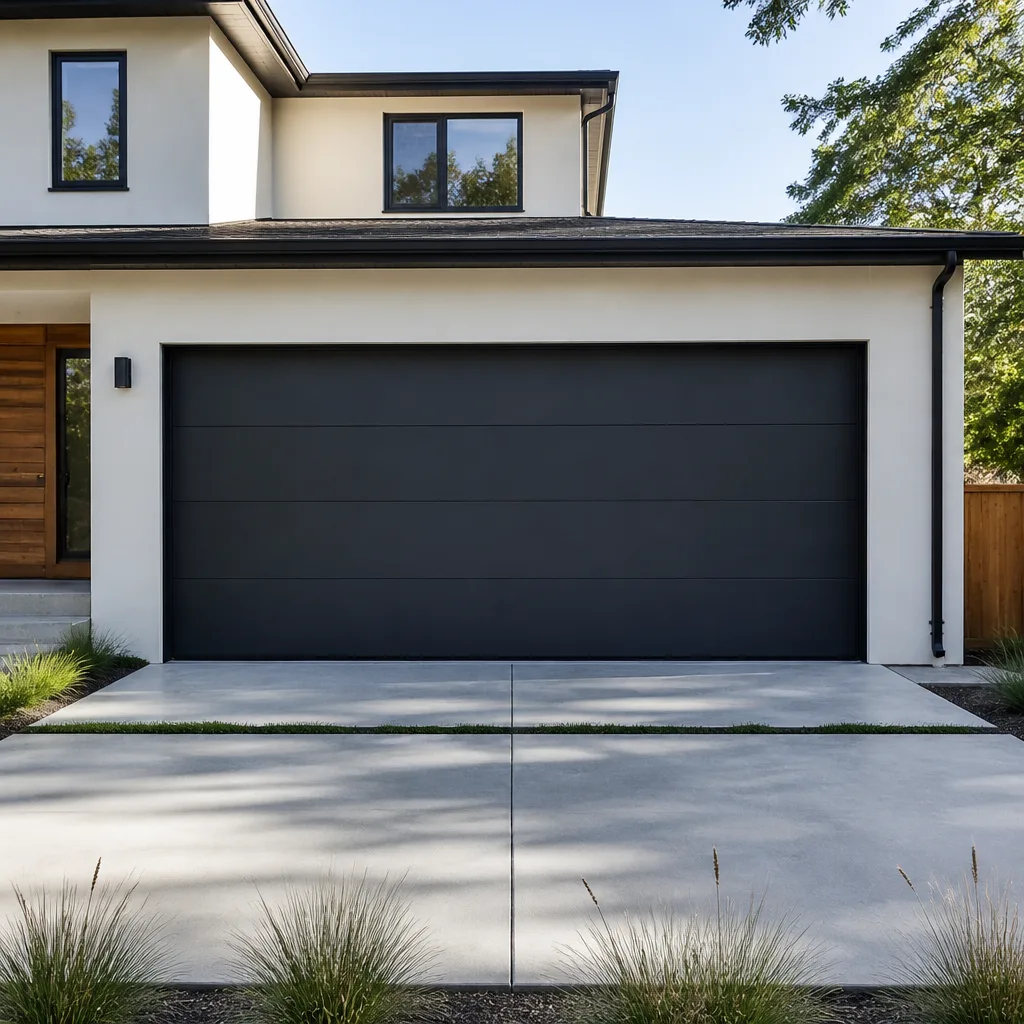 Modern flush
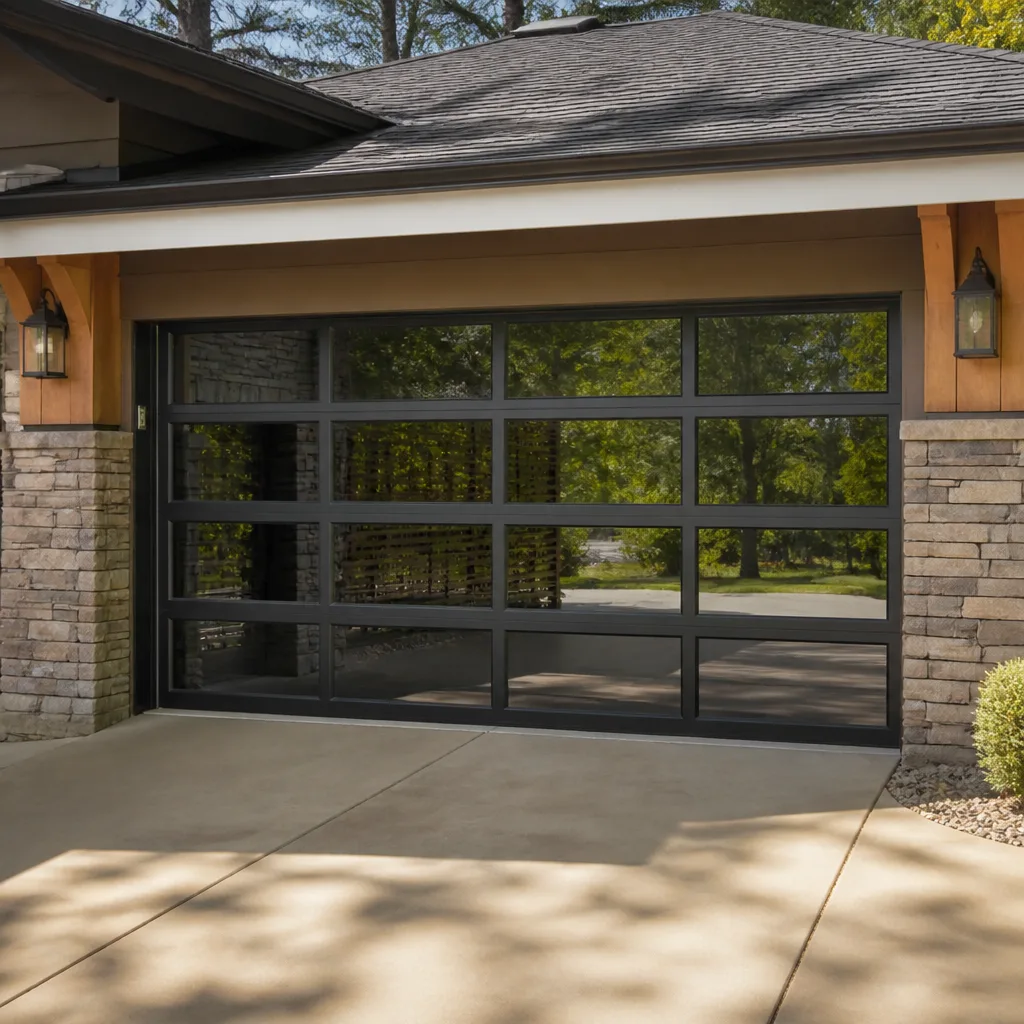 Full-view glass
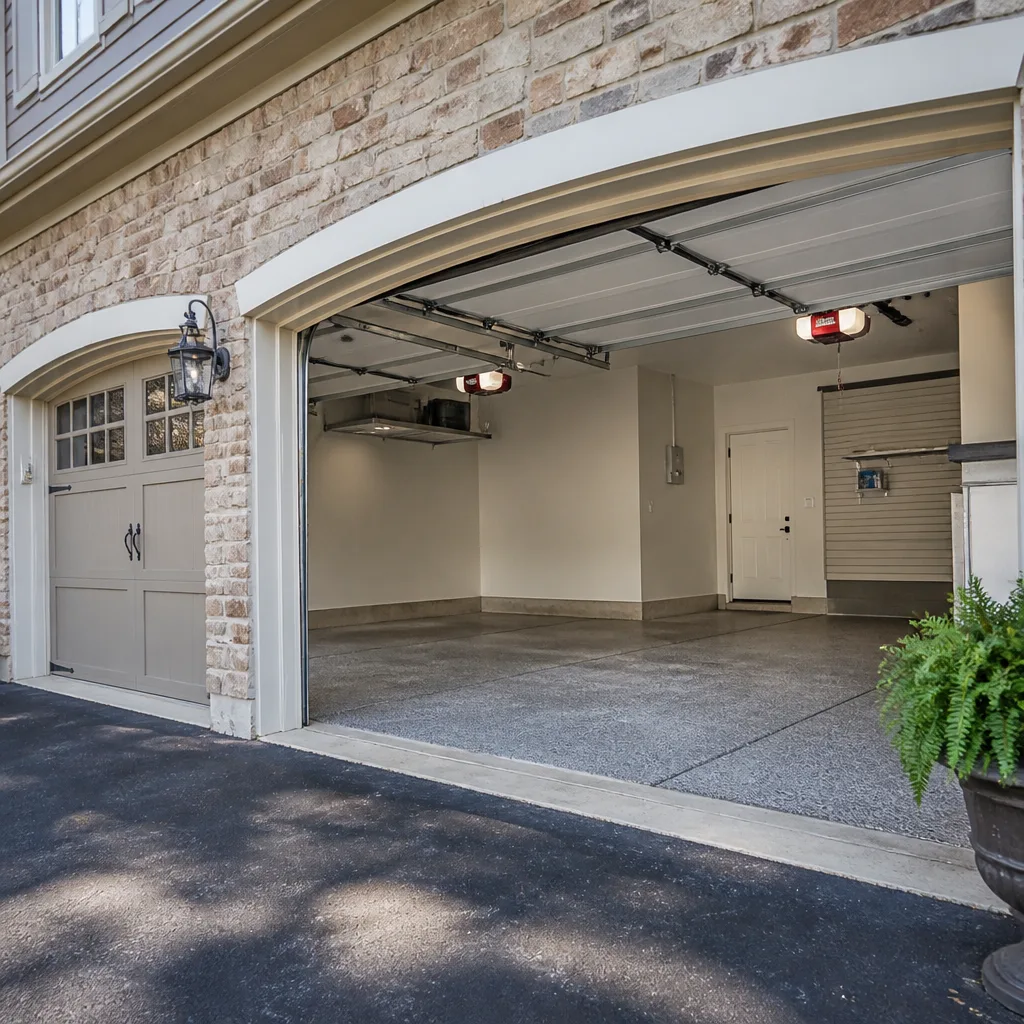 LiftMaster openers
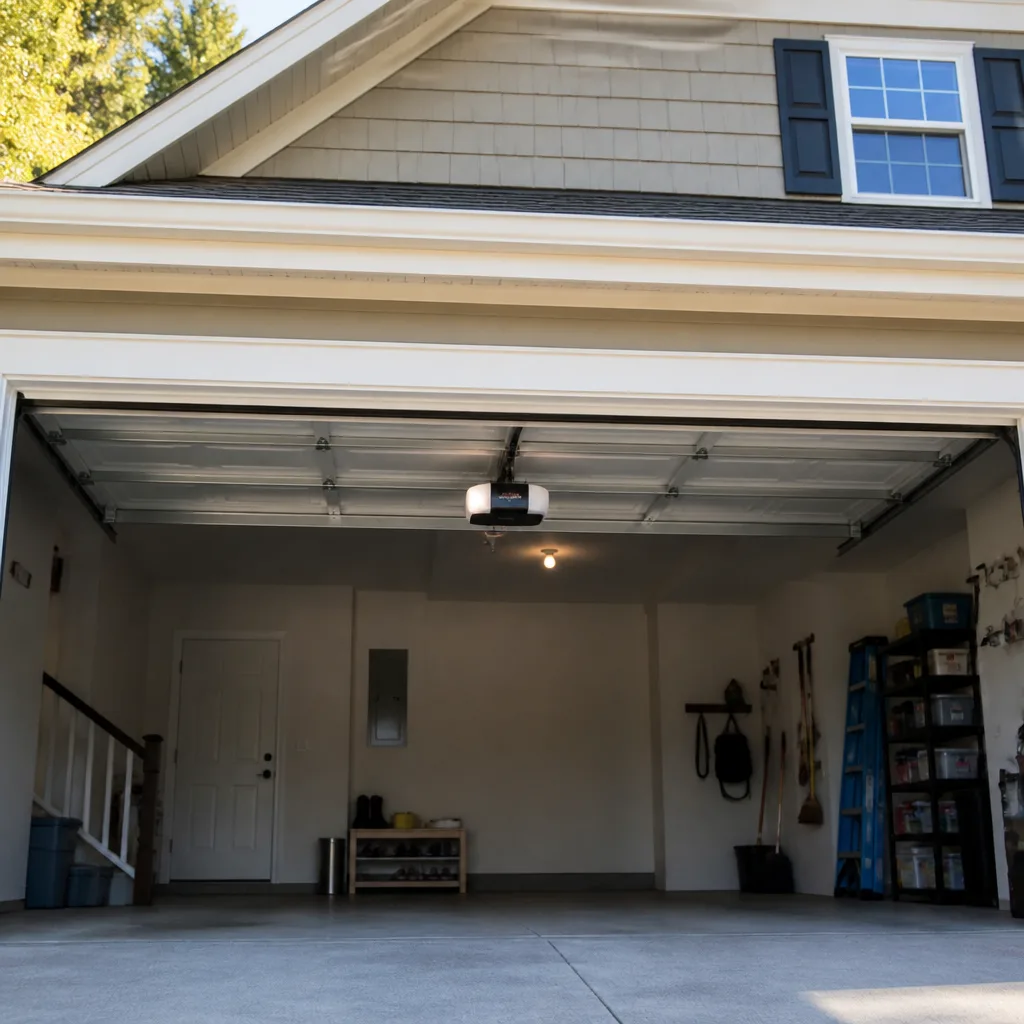 Chamberlain openers
Full 25-point door and opener safety check with every visit - springs, cables, rollers, tracks, and your LiftMaster or Chamberlain opener included
You get a price before we start. It does not change when the pro arrives.
Get your free estimateDIY vs Professional Garage Door: The Waltham Homeowner’s Decision Guide
Most garage door advice online draws the line in the wrong place. It tells you to skip the pros for anything short of a catastrophe, which ignores the fact that a garage door is the largest moving mechanical object in your house, hanging from springs under hundreds of pounds of stored tension. People who happily call a technician to swap a water heater will spend a Sunday fighting a torsion spring with two screwdrivers and a ladder, and that’s the gap this guide closes. We’re going to be honest about which jobs are genuinely safe to handle and which ones aren’t a savings at all but a bet against your own hands. By the end you’ll know exactly where your garage door in Waltham falls on that line, what each side really costs, and what the middle option looks like.
Quick Answer
On a garage door, weatherstripping, lubrication, visual inspections and photo-eye alignment are safe for a mechanically confident homeowner to do. Spring replacement, cable work, and anything involving a bent track or structural header issue are professional-only jobs, not because they’re hard to reach but because the stored energy and the failure mode are genuinely severe. Everything else falls in between, and the smart move is usually to diagnose what you’re facing before deciding who touches it.
Styles & brands we work with
- Raised-panel steel
- Carriage house
- Modern flush
- Full-view glass
- LiftMaster openers
- Chamberlain openers
Table of Contents
- The Task-by-Task Line: What’s Safe DIY and What’s Not
- Why Springs Are in a Category of Their Own
- The Real Cost Comparison (Including the Parts You Don’t See)
- Why Waltham’s Older Housing Stock Raises the DIY Failure Rate
- Massachusetts Liability: What a DIY Failure Actually Does to Your Coverage
- The Middle Ground: Buy the Parts, Hire the Install
- How a Professional Diagnosis Saves Money Even if You Do the Work
- Common Mistakes to Avoid
- When to Call a Professional
- Frequently Asked Questions
The Task-by-Task Line: What’s Safe DIY and What’s Not
The garage door trade has a bad habit of treating every task as equally dangerous, which is just as unhelpful as pretending none of them are. A homeowner who can change a bicycle tire can lubricate rollers. A homeowner who owns a socket set is not equipped to unwind a torsion spring. Here’s a straight breakdown, and this table is the one piece of this guide worth bookmarking.
- Weatherstripping and bottom seal replacement: Safe DIY. Rubber seals crack and flatten over time and a fresh one helps keep out drafts and water. Clip-on and slide-through seals are the easiest versions.
- Lubrication: Safe DIY. A garage door lubricant (not WD-40, which attracts dust) on hinges, rollers, and the torsion bar bearing plate quiets a door and slows wear. This is the single highest-return task a homeowner can do.
- Photo-eye and sensor alignment: Safe DIY. If your door reverses on the way down, check whether the two small lenses at the base of the tracks are lined up and clean. That’s usually it.
- Remote programming and connectivity: Safe DIY, with the manual open. If you’re struggling, our garage door opener repair line covers smart-openers from LiftMaster, Chamberlain and Genie, which covers most of what’s bolted to Waltham ceilings.
- Replacing a single hinge: Borderline. Feasible for a homeowner who understands load paths, but a stripped hinge often signals a bigger alignment problem.
- Spring replacement (torsion or extension): Professional-only. A torsion spring is wound tight enough to break bones, and it can release without warning if the wrong bar or tool is used.
- Cable work: Professional-only. A snapped cable whips with enough force to cause serious injury; this is not a job where “careful” is a safety plan.
- Bent or misaligned track: Professional-only once the vertical or horizontal track has genuinely bent, because it usually means something upstream has failed.
- Header, jamb, and structural issues: Professional-only, and often a contractor referral. A bowed header or rotted jamb is a building problem, not a garage door problem.
If you only remember one thing from this table, remember that the safe DIY list is all about things you can see, reach comfortably, and handle with your bare hands. The professional-only list is everything that stores energy, holds structure, or fails violently.
Why Springs Are in a Category of Their Own
Torsion spring replacement is the single most common source of serious DIY injury in home repair, more so than electrical work, and the reason is simple mechanics. That spring is not just heavy; it’s loaded. When a technician winds a torsion spring, they are intentionally storing enough rotational energy to lift a two-hundred-plus-pound door. When it’s improperly wound, mis-sized, or released without the correct tool, that energy goes wherever the weakest point is, and that point is sometimes a hand.
Industry guidance is unusually consistent about this. Spring manufacturers and garage door industry groups explicitly warn against homeowner spring replacement, and every serious trade publication treats it as professional-only. In our experience in Waltham, the most common spring-related call we get is from a homeowner who tried it and stopped halfway, which is arguably the most dangerous position to leave a door in.
The safe alternative is garage door spring repair, which our technicians handle with the proper winding bars and a matched replacement spring so the door balances correctly. If your door clunks, feels unnaturally heavy when you lift it, or is hanging crooked, that’s the conversation to have. Be aware of one pricing fact: spring price quotes are for a single spring, and most doors need a matched pair replaced together because they’ve worn identically. A matched pair costs roughly double a single spring. Anyone who quotes you “a spring price” without specifying single or pair is glossing over a material cost difference.
If the door has already failed and isn’t safely closing, that’s a security issue as much as a mechanical one, which is what our dedicated emergency garage door service exists for. Emergency service isn’t about a price spike; it’s the same trained diagnosis on a Monday night as a Thursday morning.
The Real Cost Comparison (Including the Parts You Don’t See)
Here’s where DIY math usually goes sideways. The parts cost is visible, and the labor cost is not, so homeowners compare “the spring I saw online” to “the whole bill,” and it looks like a wide margin. It isn’t, once you add the hidden costs.
A spring repair from a professional in Waltham typically runs $180 – $340 for a single spring, and a matched pair proportionally more. That number feels high next to a $40 spring on a parts site, but the comparison is not apples to apples. Here’s what it actually includes:
- The correct spring for your door’s exact weight and cycle rating. Undersizing or oversizing a spring shortens the door’s life and stresses the opener.
- Winding bars and safe handling. The correct tools are not sold at most hardware stores, and buying them eats into whatever margin DIY was going to save.
- A visual diagnosis of cables, drums, bearings, and the opener at the same time. Most spring failures have a contributing cause, and a technician catches it in the same visit.
- Balancing and travel-limit calibration, which is a step most DIY spring jobs skip, and which is the reason doors start reversing on their own weeks later.
- Not voiding your opener warranty. Most opener warranties explicitly exclude damage from mis-installation or improper door balancing, and a do-it-yourself spring swap that throws the door out of balance can quietly void a fairly new LiftMaster or Chamberlain unit.
The other hidden cost is time. A homeowner tackling a spring job is usually clocking two to three hours on the first attempt, often with one hardware store trip in the middle. A professional, working from a quote, is typically faster and doing it in a single visit. The whole point of our pricing is that you know the number before a wrench is picked up; every job is quoted and agreed before any work starts, and the written estimate sets the final price.
For a side-by-side sense of the other services, our garage door repair line covers diagnosis and single-visit fixes for track, roller, panel and balance issues, which is often the smarter call than a DIY attempt on a problem you haven’t fully identified.
Why Waltham’s Older Housing Stock Raises the DIY Failure Rate
Waltham has a lot of pre-1980 housing, and older garages were built to looser, more variable standards than the ones going up today. Single-car openings from that era don’t always measure the standard 8 or 9 feet. Header heights, jamb depth, and panel thickness vary from street to street, and occasionally from house to house on the same street.
That matters for DIY in three specific ways:
- Off-the-shelf parts don’t always fit. A seal or bottom bracket bought at a big-box store may look right and be a half-inch off. That’s a returning trip, a leaky door, or a track that starts wearing early.
- Older openers and doors don’t pair with modern controls. A door that’s had a Genie motor swapped in over a door installed decades earlier will often have mismatched travel limits and force-sensitivity settings. Programming a new remote is easy; getting the door to behave means understanding what’s actually under the hood.
- Original springs were often sized for original doors. If someone down the line replaced a panel or, worse, a whole door, the springs may not match. A homeowner installing a “standard” spring without checking the door’s weight ends up with a door that slams, reverses, or eats the opener.
We’ve seen this pattern enough to be firm about it: in Waltham, the age of the garage is the strongest predictor of whether a DIY repair will actually solve the problem or just move it. Newer construction is boring and predictable, which is exactly what you want for a homeowner task. Older construction rewards a professional diagnosis, because the “correct” part is not always the one on the shelf.
Another local factor is the climate. Waltham winters put real stress on rubber seals and on spring steel, and any door that’s misaligned heading into a cold snap gets worse quickly. A slightly noisy door in October is often a seized roller or a spring past its cycle rating by November. Our technicians have up to 10 years of experience working this kind of wear, which means a diagnosis is often faster than a homeowner’s attempt to describe the sound.
Massachusetts Liability: What a DIY Failure Actually Does to Your Coverage
This is the part most DIY guides skip, and it’s the reason the whole “should I do it myself” question has a second, less obvious answer. A failed DIY garage door repair can affect your homeowner’s insurance, and not in a benign way.
Here’s what a homeowner should know, framed generally because insurance policies vary widely and this isn’t legal advice:
- Many homeowners policies exclude or limit coverage for damage caused by faulty workmanship, meaning a spring failure that damages the door, the track, or the opener may be excluded if the cause is a DIY install error.
- Injury coverage is separate from property coverage, and a spring injury to a household member may fall under health insurance rather than homeowner’s liability. A spring injury to a visiting neighbor or a contractor is a different question again.
- Documentation matters. Insurance claims go more smoothly with a professional invoice showing who did the work and when than with a description of a DIY attempt.
- Structural damage is the expensive one. If a mis-sized spring or a botched track repair causes a door to fail and hit a header or wall, the claim is larger and the coverage question is more complicated.
If you’re not sure how your policy treats garage door work, the right move is a call to your insurer, not a guess. What we can say is that a spring job done by a trained technician is a documented repair, and that’s a much simpler thing to live with than a claim that comes down to “we think the spring was installed wrong.” The Massachusetts consumer protection angle is another reason to prefer a professional with a written quote and a warranty on the work.
The Middle Ground: Buy the Parts, Hire the Install
There’s an option most guides ignore: you source the parts, a professional does the install. It can genuinely work, but only when you get the part right, and it doesn’t save money on springs.
Here’s when buying your own parts makes sense:
- You know the exact model and part number. If you’ve confirmed your opener is a specific Chamberlain unit and you’re buying the matching wall control, no technician is going to beat you on parts cost.
- You want a particular finish or style. If you’re replacing weatherstripping with a color you picked, buying it yourself makes sense as long as the dimensions are right.
- You’re replacing a component with a warranty. A new opener you buy and have installed is often cheaper under the middle-ground model, and a technician still does the wiring and balancing correctly.
Here’s when it doesn’t make sense:
- Springs. The correct spring is sized to your door’s weight and cycle rating, and a wrong spring is a liability, not a savings. Professional spring sourcing is part of the service.
- Cables and drums. Same reasoning as springs, and install-only labor on a hazardous part isn’t a smaller job than the full service.
- Openers you don’t recognize. If you can’t find the brand on the door, buying a compatible remote or control without knowing the model is a straight loss.
A reasonable version of the middle-ground model is: buy the opener itself, and let a technician handle the install and setup. If you’d like a hand working out what your current setup actually is, our garage door opener repair page covers the diagnostic side, and the team can tell you whether the part you’re about to buy is the one your door needs.
How a Professional Diagnosis Saves Money Even if You Do the Work
The single biggest DIY cost isn’t the missed part or the lost afternoon. It’s fixing the wrong thing first. A garage door has a small number of moving parts, but the symptoms overlap: a door that reverses, a door that’s heavy, a door that’s loud, and a door that hangs crooked can each come from four or five different causes. A homeowner guessing at the symptom can easily spend $80 on the wrong part before figuring out it wasn’t the problem.
A diagnosis from a specialist, done in one visit, costs less than most people expect and short-circuits that guessing. It works best in this order:
- Describe the sound and the timing. Does it happen at the same point in travel every time? Does it happen on opening, closing, or both? That alone narrows the shortlist.
- Note the door’s behavior, not just the noise. Heavy on the lift, reverses on the way down, or hangs crooked at one corner are each distinct signals.
- Get it diagnosed before you buy parts. A trained technician can usually tell you within minutes whether it’s a spring, a cable, a roller, or a limit setting, and whether it’s an issue you can reasonably tackle.
- Decide who does the work, with the diagnosis in hand. Sometimes the answer is “this is a professional job,” and sometimes it’s “this is a roller and a can of lubricant.” Either way you’re making the call on facts.
We approach diagnosis this way because it’s honest. Our focus is exclusively on garage doors, and much of the work is on brands most Waltham homeowners already own: LiftMaster, Chamberlain, Genie, Raynor, Clopay, Amarr, Wayne Dalton and Craftsman. When a diagnosis is five minutes and the repair is two hours, we’d rather have the homeowner leave with the right answer than the wrong part. Every job is estimated and agreed before any work starts, so the quoted number is the number you pay.
Common Mistakes to Avoid
- Trying to wind a torsion spring with the wrong tool. Screwdrivers and pliers are not winding bars. The failure mode is sudden and violent, and it’s the single most common serious DIY garage door injury.
- Buying a “standard” spring without weighing the door. In older Waltham garages, a standard size is not necessarily your size, and a mismatched spring puts stress on the opener and the door.
- Skipping the balance check after any repair. A door that isn’t balanced will wear out its opener quickly whether the opener is new or not. It’s a two-minute test with the door disconnected.
- Assuming “new opener” fixes a heavy door. A worn spring makes every door feel heavy; a bigger motor will lift it, briefly, and then fail.
- Ignoring a bent track. A visually bent track is usually a symptom of a spring, cable, or balance problem. Replacing the track alone tends to be temporary.
- Triggering the opener with a door that’s off its tracks. If the door is crooked and partially off its tracks, stop using it. Running the opener on a door that’s out of alignment can create a much more expensive failure.
- Assuming the homeowner’s policy will cover a DIY failure. Many policies limit coverage for poorly executed workmanship. Check before you bet the claim on it.
See the difference
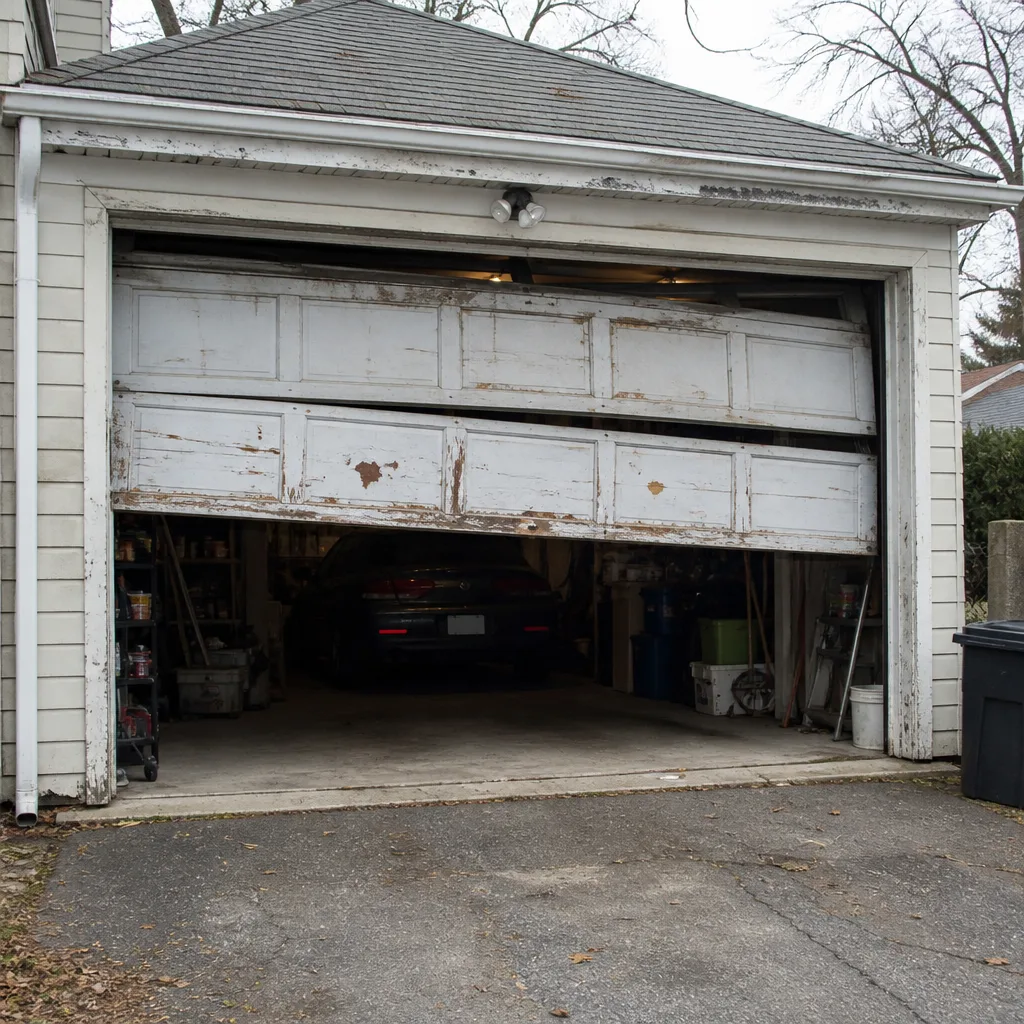 Before
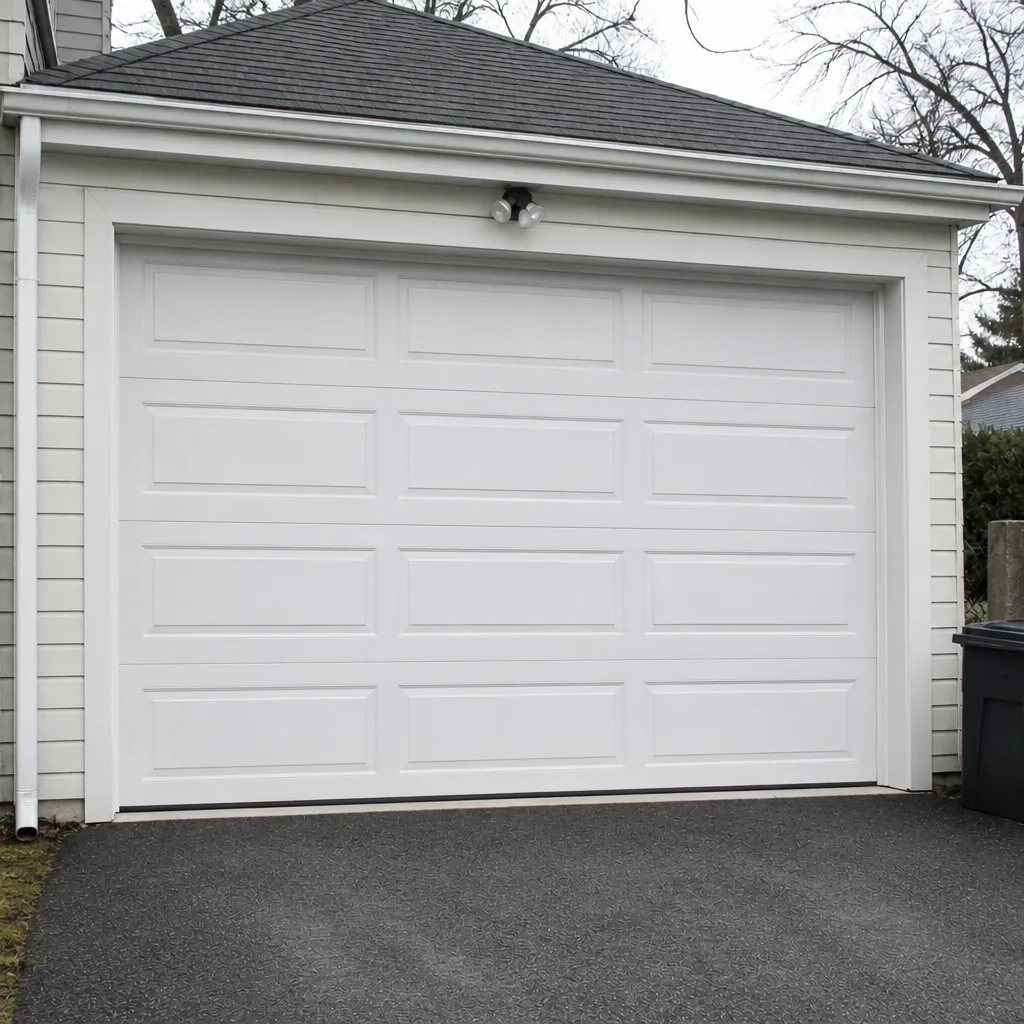 After
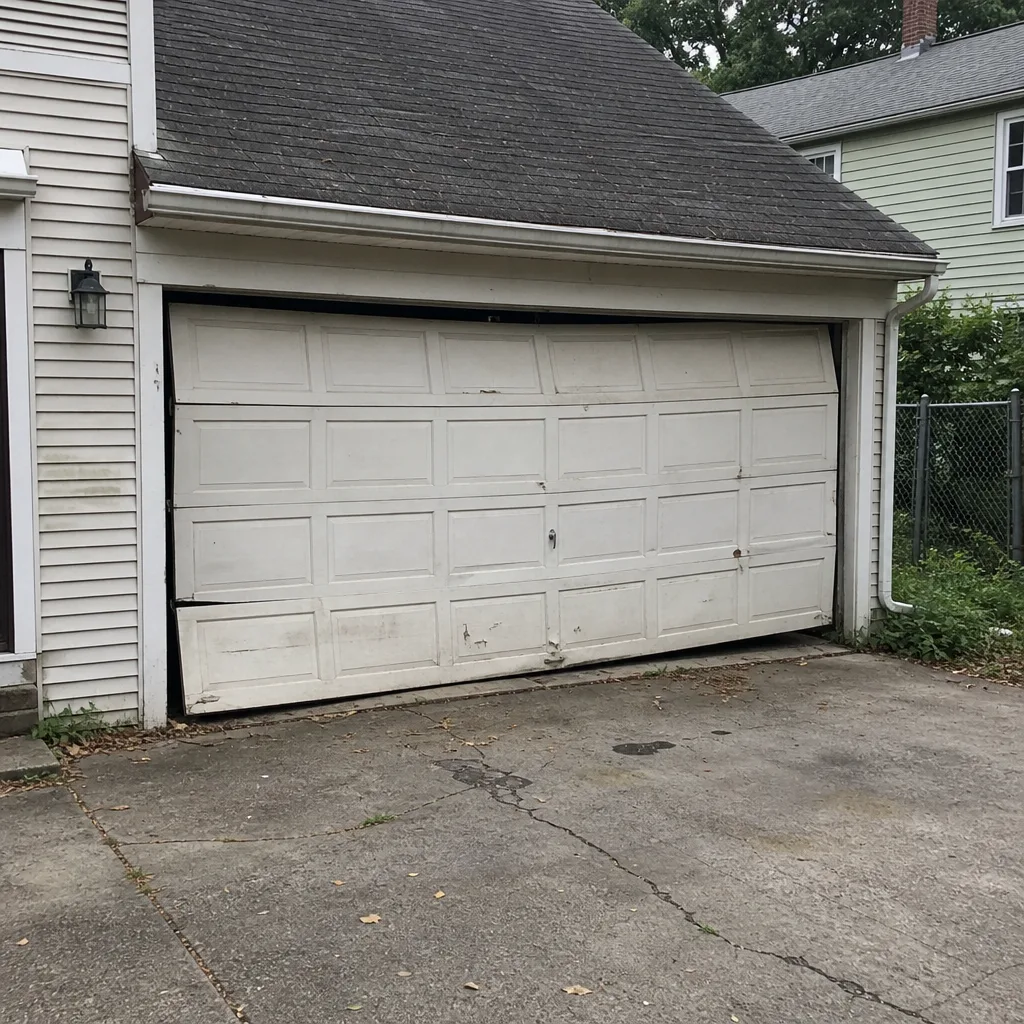 Before
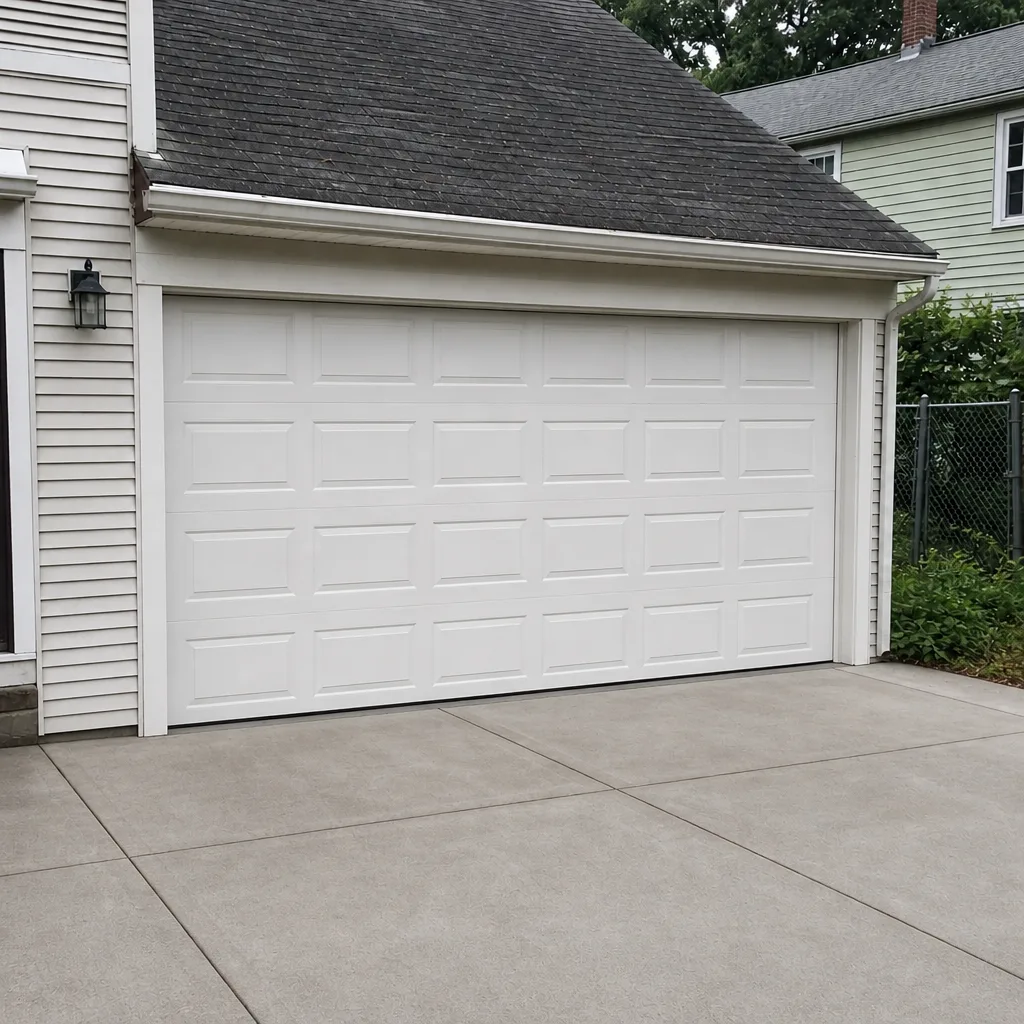 After
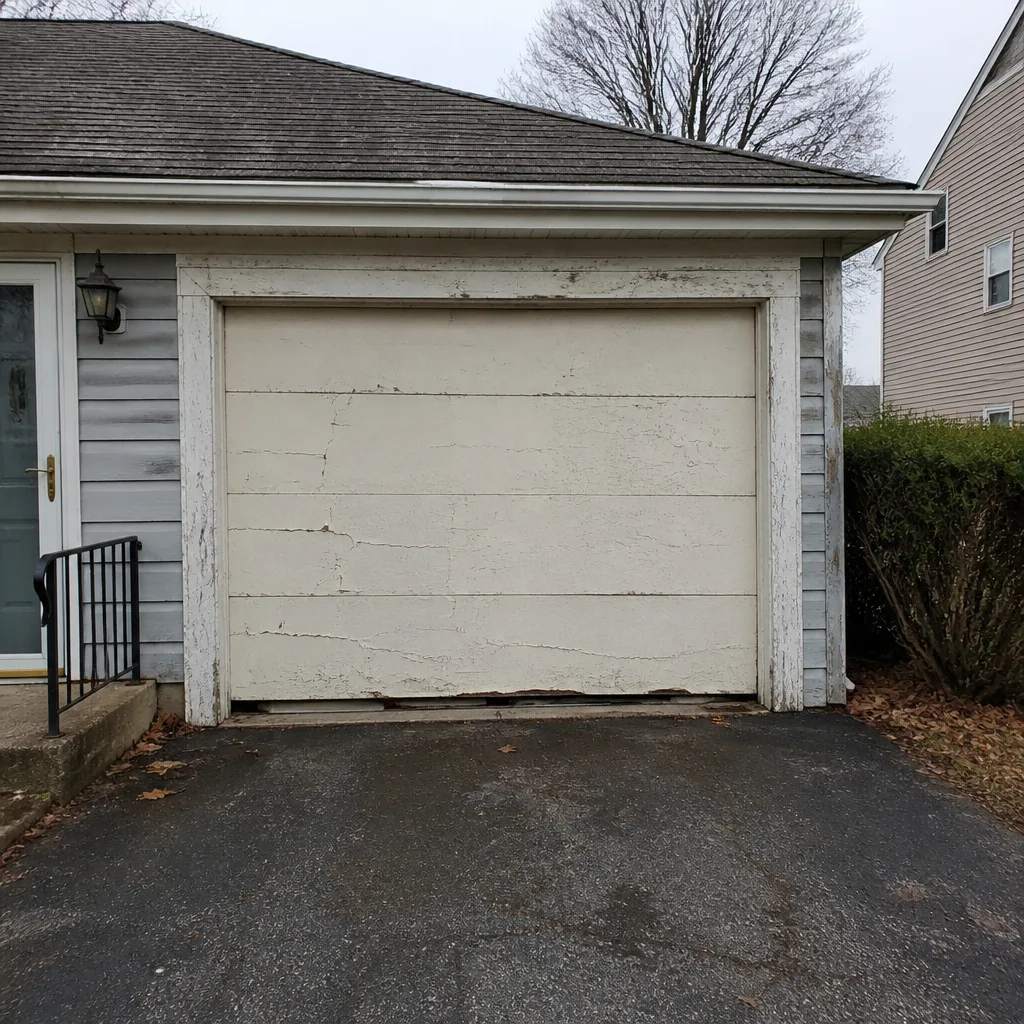 Before
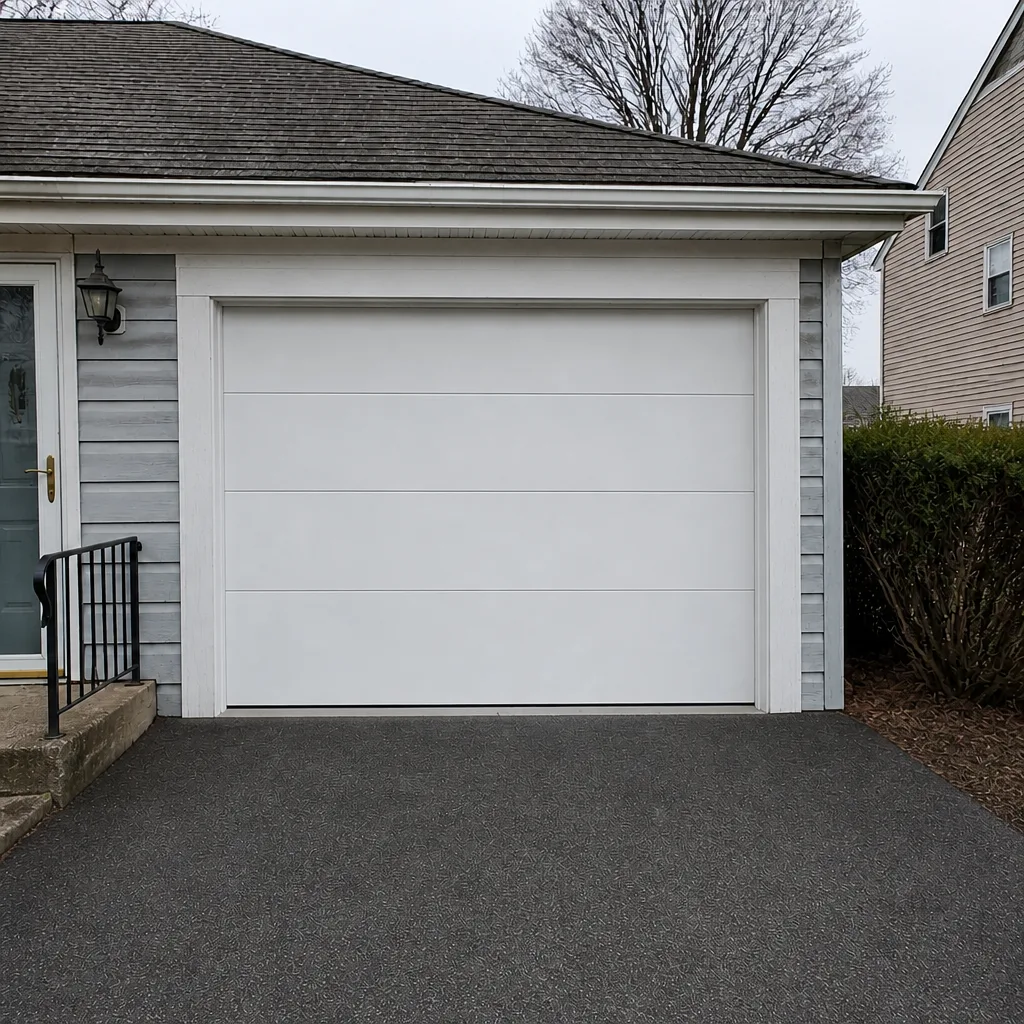 After
When to Call a Professional
Call when the spring is broken, sagging, or the door is heavy to lift; when a cable is loose, frayed or off its drum; when the track is visibly bent or the door has come off its tracks; when the door is crooked after a bump or a heavy gust; when the opener moves the door but the door won’t stay down; or when a panel or header looks warped or damaged. In each of those cases, a trained technician can diagnose and fix it in one visit, which is far cheaper than a wrong part and a lost weekend.
If you’re not sure which side of the line you’re on, that’s a call worth making before you touch anything. Waltham Garage Door Repair Pros offers free estimates in Waltham, call (855) 658-4223. Estimates are free and there’s no obligation.
Frequently Asked Questions
No, spring replacement isn’t a safe DIY job, and industry guidance is consistent on this. A torsion spring stores enough energy to cause serious injury if it releases unexpectedly, and the correct spring is sized to your door’s specific weight and cycle rating. Professional spring repair is the right call every time.
Spring repair in Waltham typically runs $180 – $340 for a single spring, and a matched pair (which most doors need) costs accordingly more. Your written estimate sets the final price, and the estimate is free. Call (855) 658-4223 for an exact quote.
It can, yes. Most opener warranties exclude damage caused by improper installation or by running the opener against a door that’s out of balance, which is exactly what happens after a DIY spring job that doesn’t get balanced correctly. Professional work keeps the opener’s warranty intact.
Weatherstripping replacement, lubrication, photo-eye alignment, and remote programming are all reasonable homeowner tasks. Springs, cables, bent tracks, and structural header issues are professional-only. If a repair involves stored energy or the door’s structure, it’s not a DIY job.
For a door that won’t close and is leaving the house open, our emergency garage door service handles it as a time-sensitive call. Our technicians can be reached at (855) 658-4223 and can usually book a same-day visit to diagnose and fix a door that’s failed.
Yes, mostly. Pre-1980 garages in Waltham often have non-standard opening sizes and doors whose springs have been replaced or modified at some point, which means off-the-shelf parts fit less reliably than they would in newer construction. A diagnosis first saves money in older homes.
Yes. The local professionals we connect you to are licensed and insured as Massachusetts requires for this work. Our technicians have up to 10 years of experience on garage door systems and openers from all major brands, including LiftMaster, Chamberlain, Genie and Raynor.
It works for openers, wall controls, and weatherstripping you’ve confirmed will fit your door. It doesn’t work for springs or cables, where the correct part is a diagnosis in itself. Buying a part you’re not sure fits is the most common version of a DIY loss.
The Bottom Line
This guide doesn’t make a blanket case for professional service, because it wouldn’t be honest. Weatherstripping, lubrication, sensor alignment, and remote work are genuinely safe to handle at home, and doing them keeps small problems small. But springs, cables, bent tracks, and header issues are not a cost savings in disguise; they’re a category of job where the failure mode is severe and the insurance consequences can follow you. In Waltham’s older garages, the right parts are not always the off-the-shelf ones, and a diagnosis is often worth more than a weekend of guessing. The line is real, and it’s clearer than most advice online makes it look.
If you’re not sure which side your repair falls on, call us at (855) 658-4223 and we’ll tell you straight. Waltham Garage Door Repair Pros offers free estimates on Waltham Garage Door Repair Pros services, from a single visit to a full new garage door repair or a garage door spring repair, and every job is quoted and agreed before any work starts.
Written by the team at Waltham Garage Door Repair Pros.