Last updated November 22, 2026
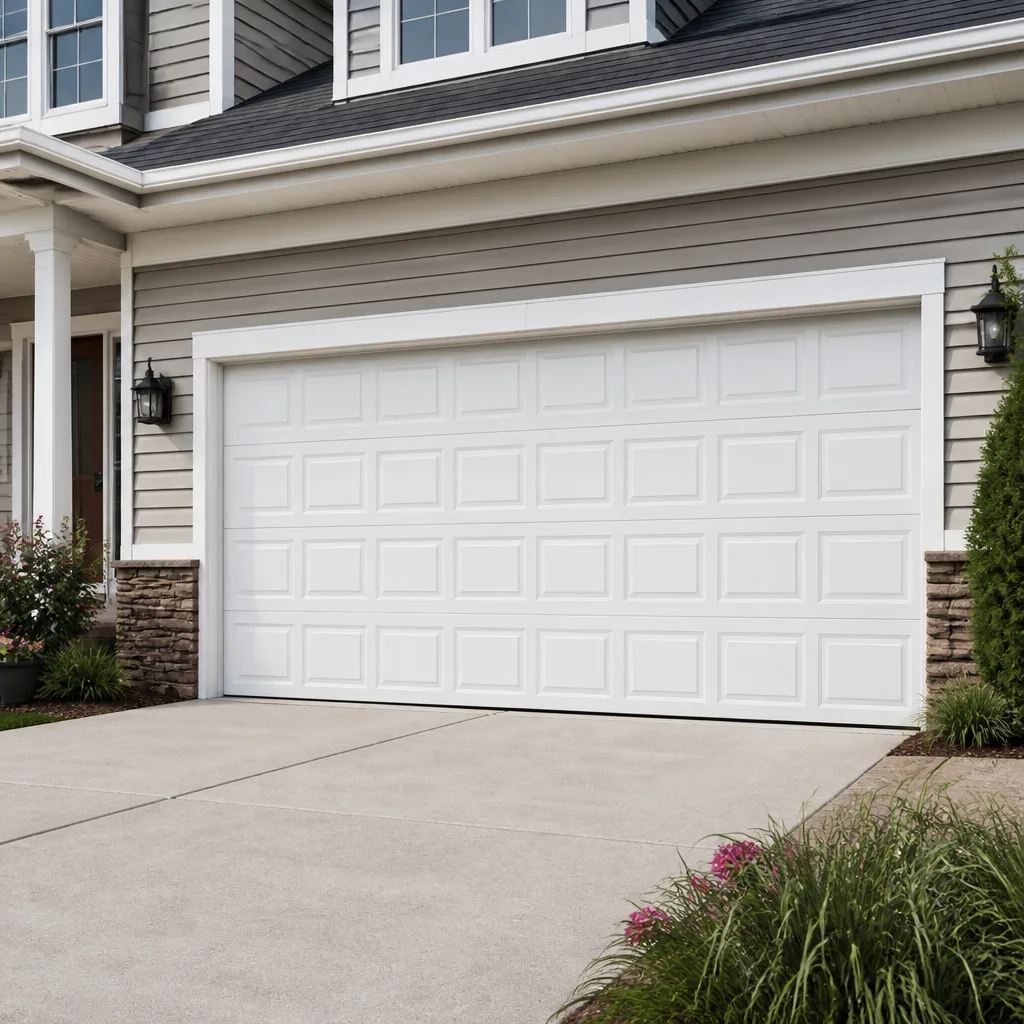 Raised-panel steel
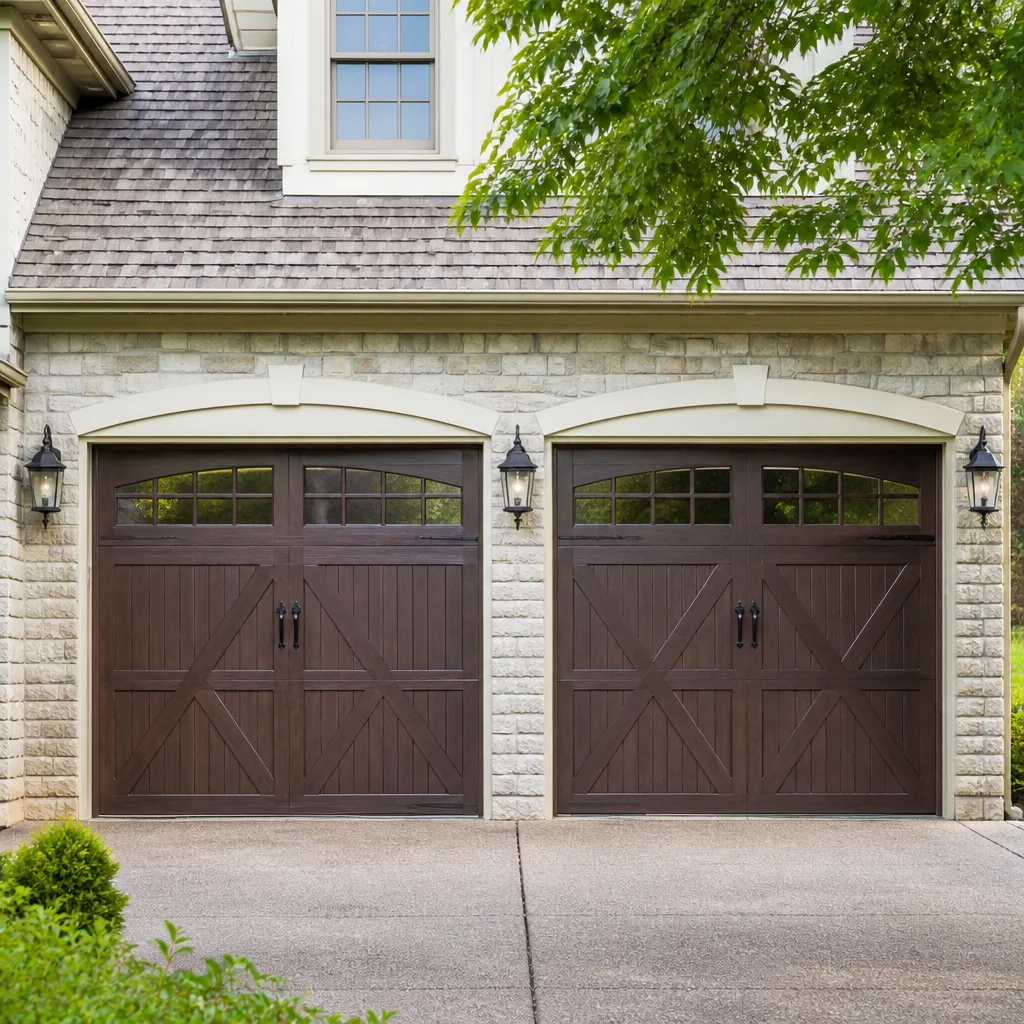 Carriage house
 Modern flush
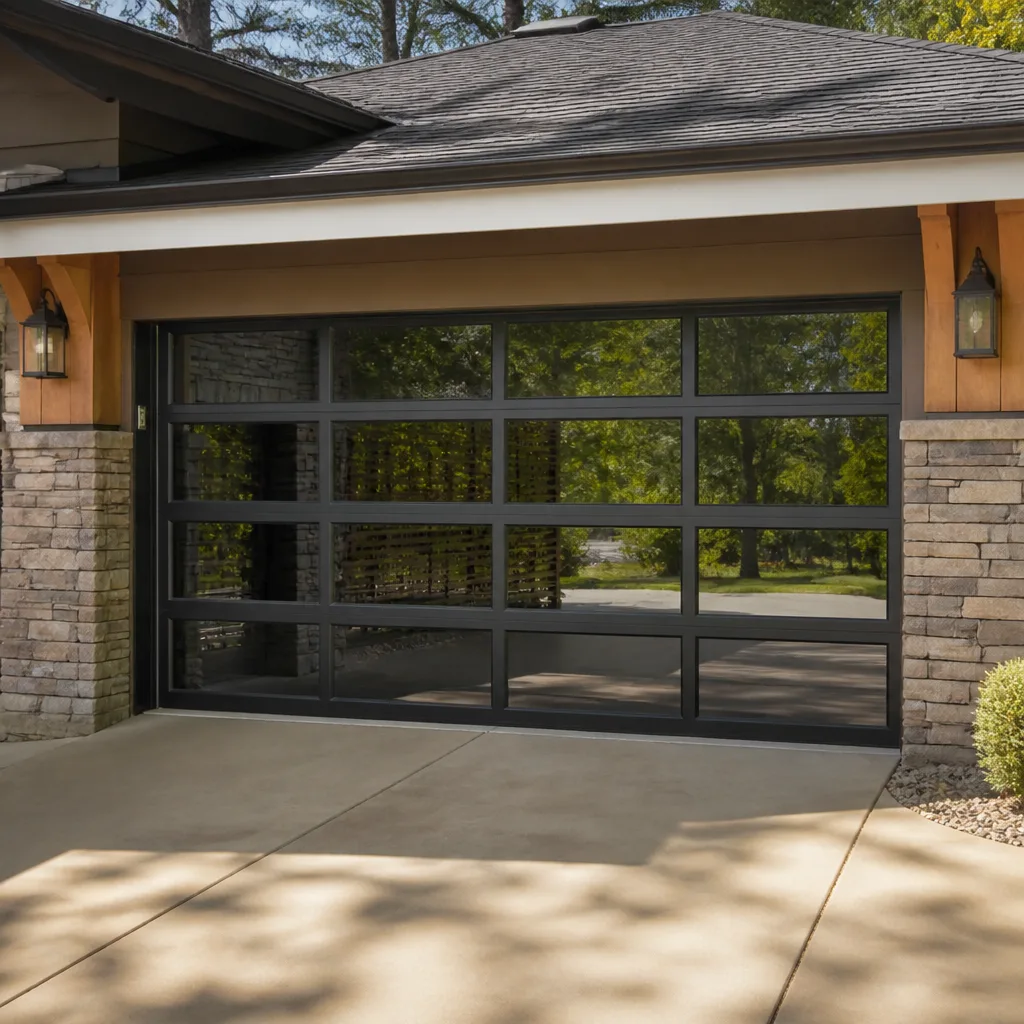 Full-view glass
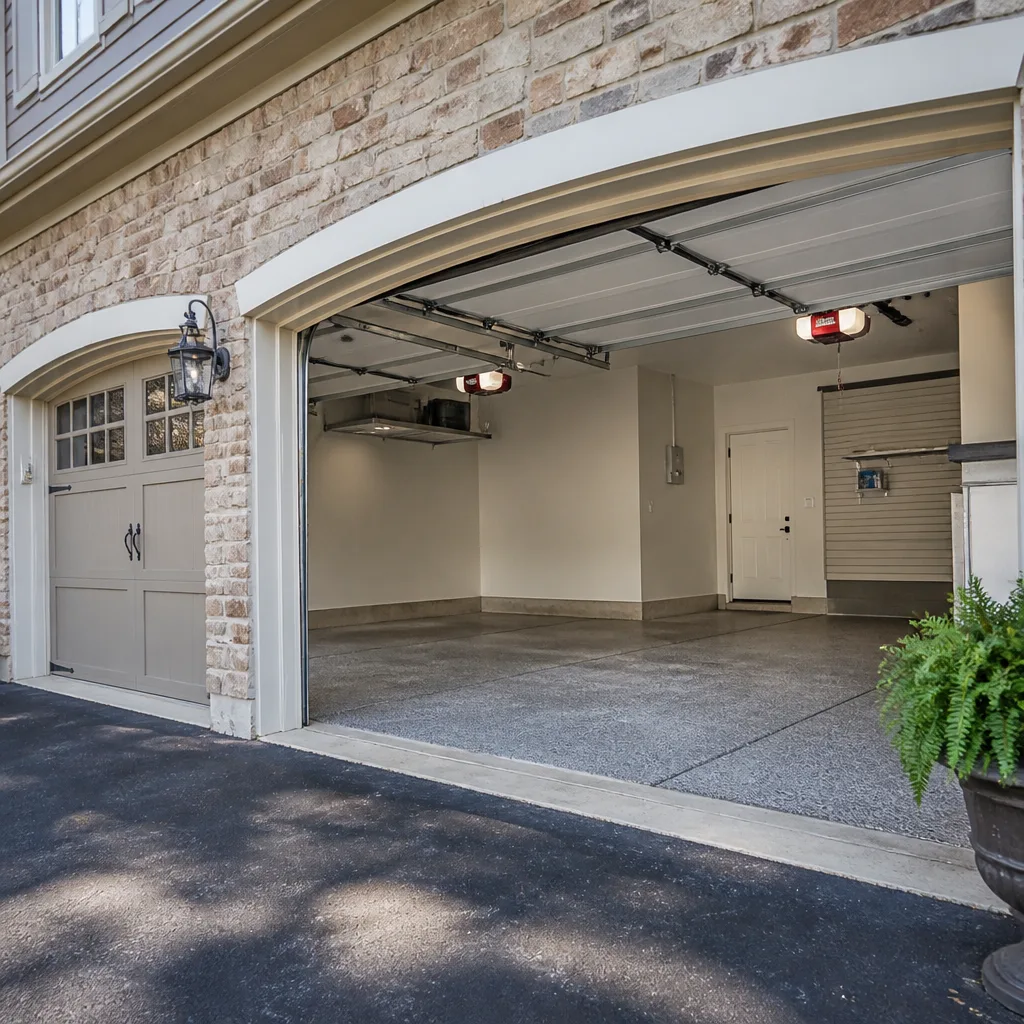 LiftMaster openers
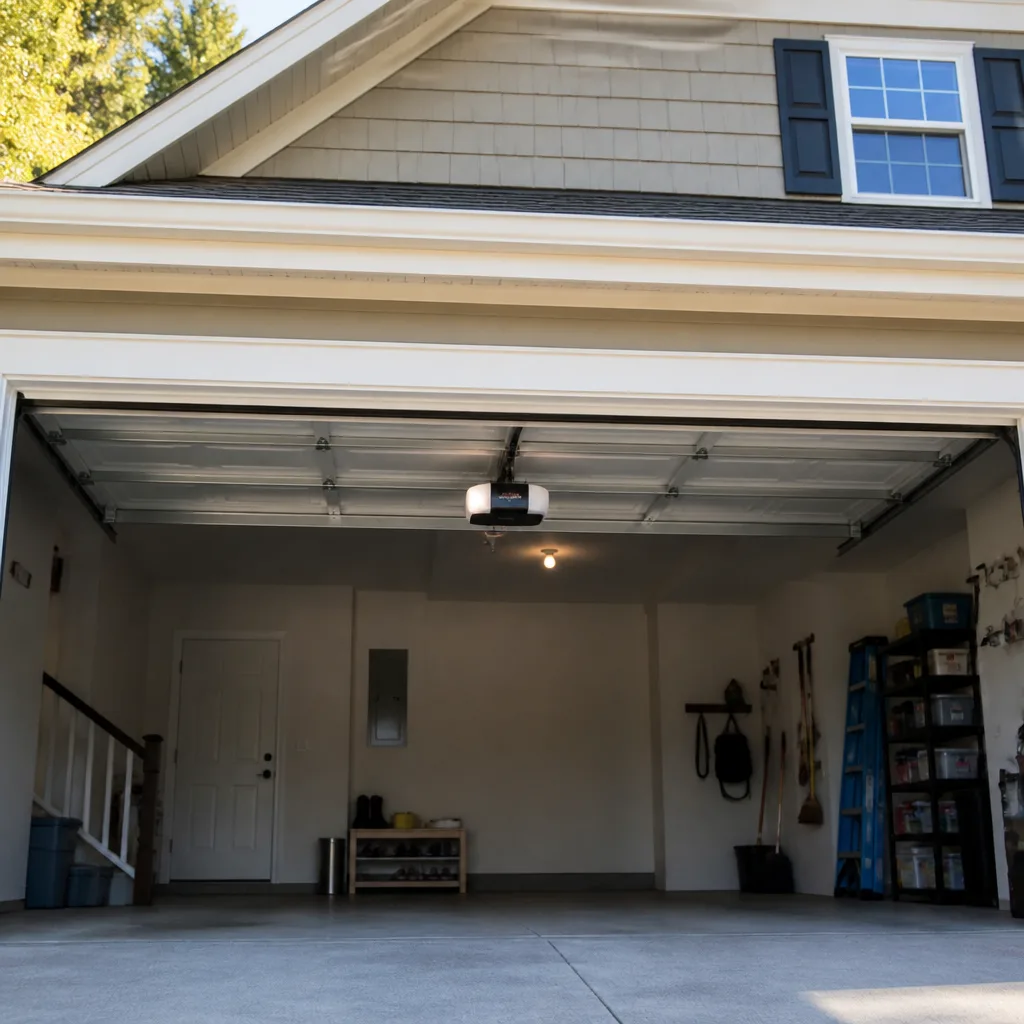 Chamberlain openers
Full 25-point door and opener safety check with every visit - springs, cables, rollers, tracks, and your LiftMaster or Chamberlain opener included
You get a price before we start. It does not change when the pro arrives.
Get your free estimateGarage Door Emergency Preparedness Guide for Waltham Homes
When a nor’easter knocks out power across Waltham, the most common garage door mistake homeowners make is yanking the emergency release cord the wrong way. Pull it at the wrong angle, or at the wrong moment, and the trolley disconnects from the carriage. Your door is now stuck in manual mode until a technician resets it. What felt like a quick fix turns into a service call. This guide covers the three emergencies that actually happen here – power outages, spring failures, and storm damage – and exactly what to do in the first ten minutes. You’ll learn the correct manual release procedure, how to secure a door with a broken spring without getting hurt, and a short checklist to run before the first real snow.
Quick Answer
Garage door emergencies in Waltham come down to three scenarios: power outages, snapped springs, and storm damage. For a power outage, use the manual release cord correctly and know your opener’s battery backup. For a snapped spring, stop operating the door immediately and leave it closed. For storm damage, inspect the panels, tracks, and hinges for visible compromise before you try to move the door at all. Save a repair number, but more importantly, know what not to do.
Styles & brands we work with
- Raised-panel steel
- Carriage house
- Modern flush
- Full-view glass
- LiftMaster openers
- Chamberlain openers
Table of Contents
- The Manual Release Procedure That Works Across Major Brands
- Power Outage Prep: Testing Your Opener’s Battery Backup
- When a Spring Snaps: What to Do (and What Never to Do)
- Storm Damage Protocol: Assessing a Hit Door
- The Pre-Winter Emergency Readiness Checklist
- The First Ten Minutes: A Scenario-by-Scenario Plan
- Common Mistakes to Avoid
- When to Call a Professional
The Manual Release Procedure That Works Across Major Brands
The manual release on most residential openers is a red cord hanging from the trolley. Pulling it down disconnects the door from the opener so you can lift it by hand. The procedure is nearly identical on a garage door opener repair job we see on LiftMaster, Chamberlain, and Genie systems. That consistency is why so many homeowners assume there’s nothing to get wrong. There is one detail that trips people up, and it’s the reason we field calls after every big storm in Waltham.
The one difference that trips people up
The cord has to be pulled straight down, firmly, in one motion, while the door is fully closed. If you pull it at an angle, or while the door is partway up, the trolley can re-engage or jam in the wrong position. On some LiftMaster and Chamberlain units the trolley has a lockout feature that keeps it disconnected until you physically slide it back. Homeowners who don’t know that will pull the cord, hear the click, and assume the door is broken because the opener won’t re-engage it later. It’s not broken. The trolley is deliberately parked out of position, and resetting it means sliding it back to the carriage by hand.
Here’s the safe sequence for a power outage:
- Make sure the door is fully closed before you touch the cord.
- Pull the release cord straight down in one firm motion until you hear or feel the trolley release.
- Lift the door slowly by hand. A properly balanced door should move with one hand and stay where you put it.
- If the door feels heavy or won’t stay up, stop. That usually means a spring is failing, and the door should not be forced.
- Once power returns, reconnect the trolley by sliding it back toward the carriage until it clicks, then run the opener once to confirm re-engagement.
If the door won’t re-engage after you slide the trolley back, stop forcing it. That’s a sign the carriage or the trolley assembly has worn, and it’s worth having a trained technician look at it rather than fighting it from a ladder. Our technicians have up to 10 years of experience on these systems, and the reset is quick once we’re on-site.
Power Outage Prep: Testing Your Opener’s Battery Backup
Modern openers from LiftMaster, Chamberlain, and Genie often ship with a battery backup. The problem is that most homeowners never test it, so it fails silently. A battery that has sat untouched through a hot summer and a cold winter may not hold enough charge to lift the door even once when the power dies. Testing is simple, and it takes less than a minute.
- Find the battery compartment on the opener motor housing. On most units it’s a small door on the side or bottom.
- Check the battery type and date. Most backups use a sealed lead-acid pack or a set of rechargeable cells. If the pack is older than a couple of years, plan to replace it.
- Run a real test. With the door closed, unplug the opener from the wall outlet and press the wall button. The door should lift on battery power alone. If it moves slowly or not at all, the battery is weak.
- Recharge and retest. Plug the opener back in and give the battery a full charge cycle. Test again after that cycle.
- Look for warning signals. If the opener beeps or flashes an error pattern during the test, the battery is telling you it’s done. That’s the moment to replace it, not during a nor’easter.
Battery backups are worth keeping functional in Waltham specifically because storm-driven outages here tend to last hours, not minutes. A dead backup means every outage becomes a manual-release event. When the door is heavy or a spring is already tired, manual lifting is exactly what you want to avoid. If you’d rather not test solo, a garage door repair visit can include a battery and opener check in the same trip.
Battery backup on older openers
Older Craftsman and Wayne Dalton openers often predate battery backups entirely. That’s not a problem, but it changes your outage plan. If your opener has no backup, plan to use the manual release every time the power goes out, and keep the door balanced and the springs in good condition so hand-lifting is feasible. A door that’s tough to lift manually is a door waiting to become an emergency.
When a Spring Snaps: What to Do (and What Never to Do)
A snapped torsion spring usually announces itself with a sharp bang from the garage. The door becomes very heavy, and sometimes one side rises more than the other. The single most important thing to understand about garage door spring repair is that the spring system is under extreme tension even when the door is closed. That tension is what lifts a door most people can barely budge by hand. Operating the door after a spring failure, or trying to replace the spring yourself, is genuinely dangerous.
Why it’s dangerous
Torsion springs hold enough stored energy to cause serious injury if they’re released or adjusted without the right tools and training. Manufacturers and industry groups explicitly warn against DIY spring work, and not just to protect their warranty. A spring that’s snapped but still mounted is still loaded on the opposite side; manipulating the shaft or set screws can send parts flying. Extension springs carry the same risk, plus the danger of the door falling if a safety cable isn’t in place. This is the one job in garage door work where we tell every homeowner the same thing: leave it alone.
How to secure the door temporarily
- Do not press the opener button again. If the door is already closed, leave it closed.
- If the door is partially open, do not stand under it. Move clear and, once you’re safely out of the path, let it settle or lower it slowly from one side while standing to the side of the door, never beneath it.
- Cable-tie or clamp the door closed in its tracks if you need to leave it for hours. This keeps it from drifting and keeps the space secure.
- Keep vehicles and people out of the garage until a technician arrives.
- Call for spring repair rather than an open-and-shut repair “later this week.” Spring failures don’t heal, and a door that’s forced from one side will bend the tracks.
Pricing for spring work, in general terms, is per spring, and a matched pair is usually replaced together so the door stays balanced. Your written estimate is the price; the technician confirms what’s needed on-site before any work starts. If you’re not sure whether the spring is the problem, our Waltham Garage Door Repair Pros team can diagnose it in one visit.
Storm Damage Protocol: Assessing a Hit Door
A nor’easter can bend a track, dent a panel, or pry a section out of alignment without visible damage from the street. Before you try to open the door, take a slow walk around it with a flashlight. What you’re looking for is structural compromise – anything that would make opening the door dangerous or make it worse.
Pre-open inspection steps
- Stand outside and look at the door from the corners. Is any panel visibly bowed or separated from its neighbors?
- Look at the tracks on both sides. Tracks should be straight. A bend near the bottom is common after a storm and will catch the rollers.
- Check the hinges and rollers. If any roller is out of its track, stop here.
- Look up at the springs and cables. A cable that has come off its drum, or a spring drum that’s cocked, means don’t touch the door.
- Test the door by hand from the bottom edge with the opener disengaged. If it moves unevenly or feels heavy, stop.
What counts as structural compromise
A door is structurally compromised when it can’t travel straight in its tracks, when a panel has separated from the hinge line, or when the spring system is visibly off. Any of those three means the door should stay shut and stay put. If a panel is dented but the door still runs evenly in the tracks, it’s a cosmetic issue you can schedule. If the door has shifted sideways or one side has come loose, don’t operate the opener. In a Waltham storm, the most common damage we hear about is a bent bottom track from wind-driven debris and a panel pushed out of line by impact. Both are repairable, but only if the door isn’t forced open first.
The Pre-Winter Emergency Readiness Checklist
Every fall, before the first real snow in Waltham, there are three things worth verifying. Doing them before the cold arrives means you’re not troubleshooting during an outage with a flashlight. None of these take long, and all of them are things a homeowner can check safely from the floor.
The three things to verify
- Test your battery backup. Unplug the opener, lift the door on backup power, and confirm it moves. If it doesn’t, replace the battery now.
- Check the door’s balance. Disconnect the opener and lift the door halfway by hand. A balanced door should stay put. If it drops or rises on its own, the springs are losing tension and the door is going to get harder to open by hand when the power is out.
- Run a manual release drill. Pull the release cord with the door closed, lift the door once, and reconnect the trolley. Doing this in calm weather means the first time you try it won’t be at 6 a.m. in a storm.
Add a fourth if you can: walk the tracks with a flashlight and look for debris, buildup, or a small bend. A track that’s just starting to bend will finish the job under snow load. For doors from brands like Wayne Dalton or Raynor that have been in service awhile, having a technician check the hardware alongside your seasonal oil-and-lube keeps the whole system ready for the cold stretch.
The First Ten Minutes: A Scenario-by-Scenario Plan
Most emergencies in a garage are resolved or made worse in the first ten minutes. Here’s the play-by-play for each scenario, in the order to do things.
Scenario 1: Power goes out
- Confirm the outage isn’t a tripped breaker on the opener circuit.
- If it’s a real outage, use the battery backup first if you have one. Leave the door closed and parked.
- If the backup is dead and you need to move a car, use the manual release with the door fully closed.
- If the door is heavy or unbalanced, leave it closed and cancel the car move.
Scenario 2: You hear a spring snap
- Step away from the door. Do not press the opener.
- If the door is up, move out from under it and lower it slowly from one side if it’s safe to do so.
- Secure the door closed in its tracks.
- Call for spring repair.
Scenario 3: Storm damage
- Inspect from the outside with a flashlight before touching the opener.
- Look for bent tracks, a cocked roller, or a panel out of line.
- If any of those are present, leave the door shut and call.
- If the door looks intact, do one slow manual open and close to confirm travel before running the opener again.
This is exactly the kind of situation our dedicated emergency garage door service exists for. If you’re not sure which scenario you’re in, call and describe what you see. It’s often the fastest way to avoid making an emergency worse.
Common Mistakes to Avoid
- Pulling the release cord at the wrong angle. Angled pulls on a LiftMaster, Chamberlain, or Genie trolley can leave it parked out of position, turning a simple outage into a reset call.
- Forcing an unbalanced door by hand. If a door feels heavy or won’t stay up, a spring is likely failing. Lifting it anyway bends panels and tracks, and can drop the door on you.
- Cycling the opener after a spring snap. Running the motor on a door that can’t lift straight bends the tracks or strains the opener carriage. Stop and secure it instead.
- Assuming the battery backup works. Untested backup batteries are the single most common cause of “the door won’t open” during a Waltham outage. Test before the season, not after.
- Opening a storm-hit door to “see if it works.” A door that’s structurally compromised can come off its tracks. Inspect first, operate second.
- Ignoring a slow track bend. Small bends catch rollers and get bigger under load. A five-minute repair becomes a track replacement.
- Lubricating the wrong parts. Grease on the springs is fine; grease on the tracks and rollers attracts grit and slows the door. Use the right product for the part.
When to Call a Professional
Call a trained technician when any of these apply: a spring has snapped, the door won’t balance by hand, a track is bent, a panel has come out of line, the opener won’t re-engage after a manual release, or your battery backup won’t hold a charge. Those are the scenarios where working from a ladder or forcing the door makes things worse. For a spring or track problem in particular, we don’t recommend a homeowner touch it at all. Waltham Garage Door Repair Pros offers free estimates in Waltham – call (855) 658-4223. We serve every major brand you already own, from Raynor to Genie, and most jobs are diagnosed and fixed in one visit.
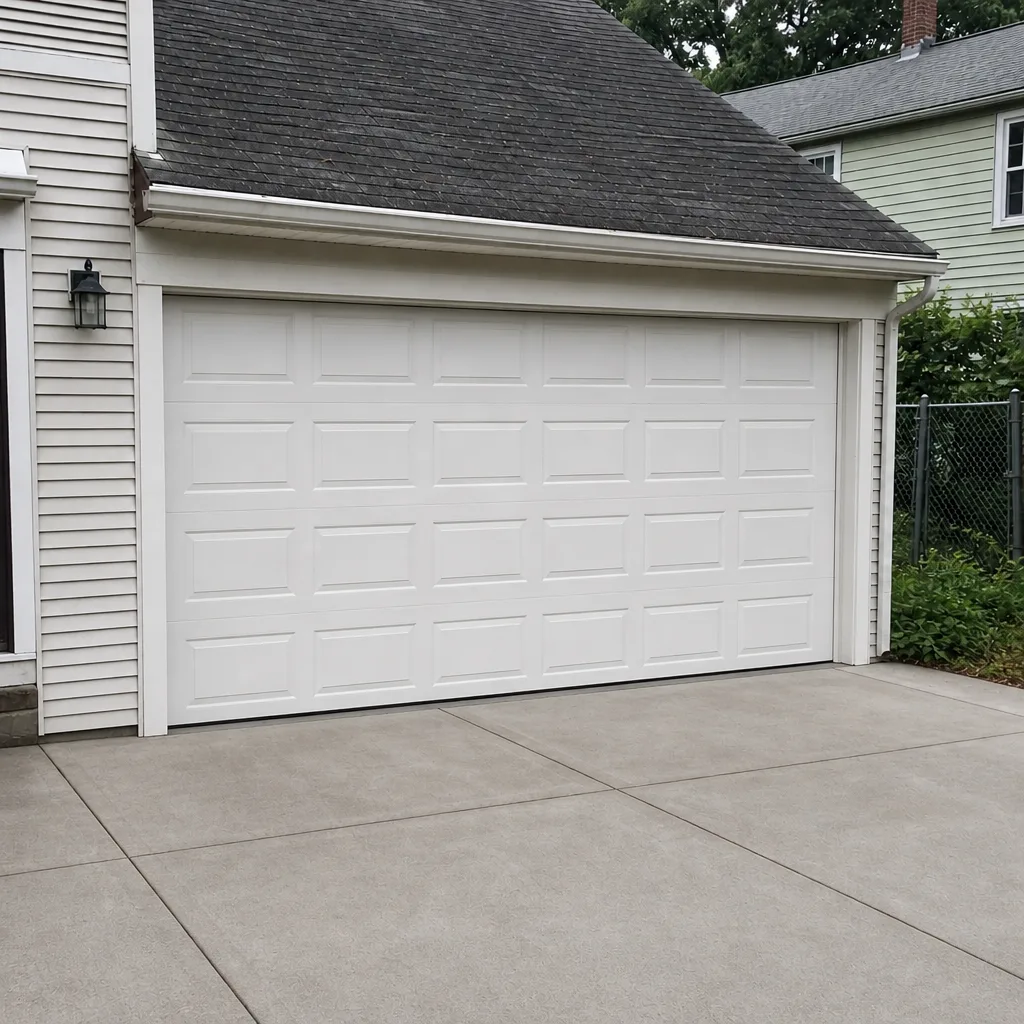
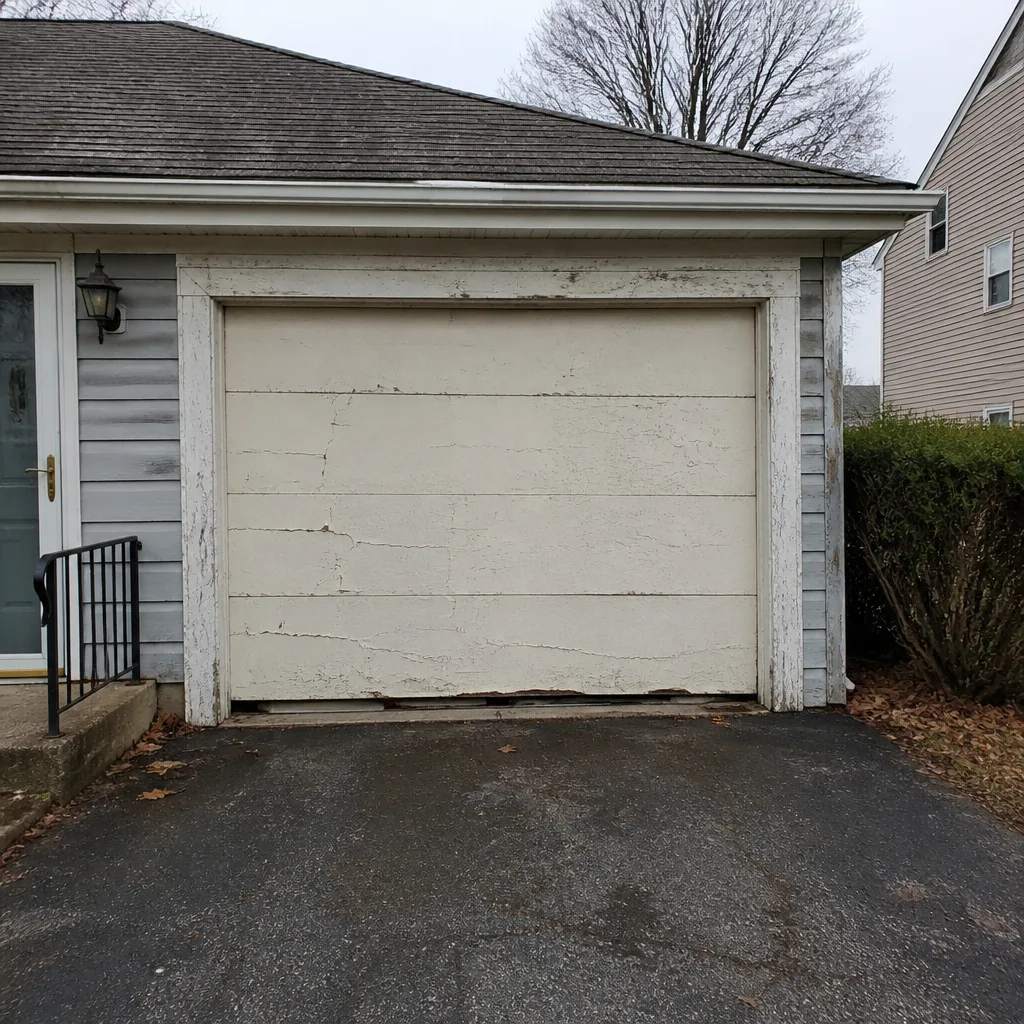
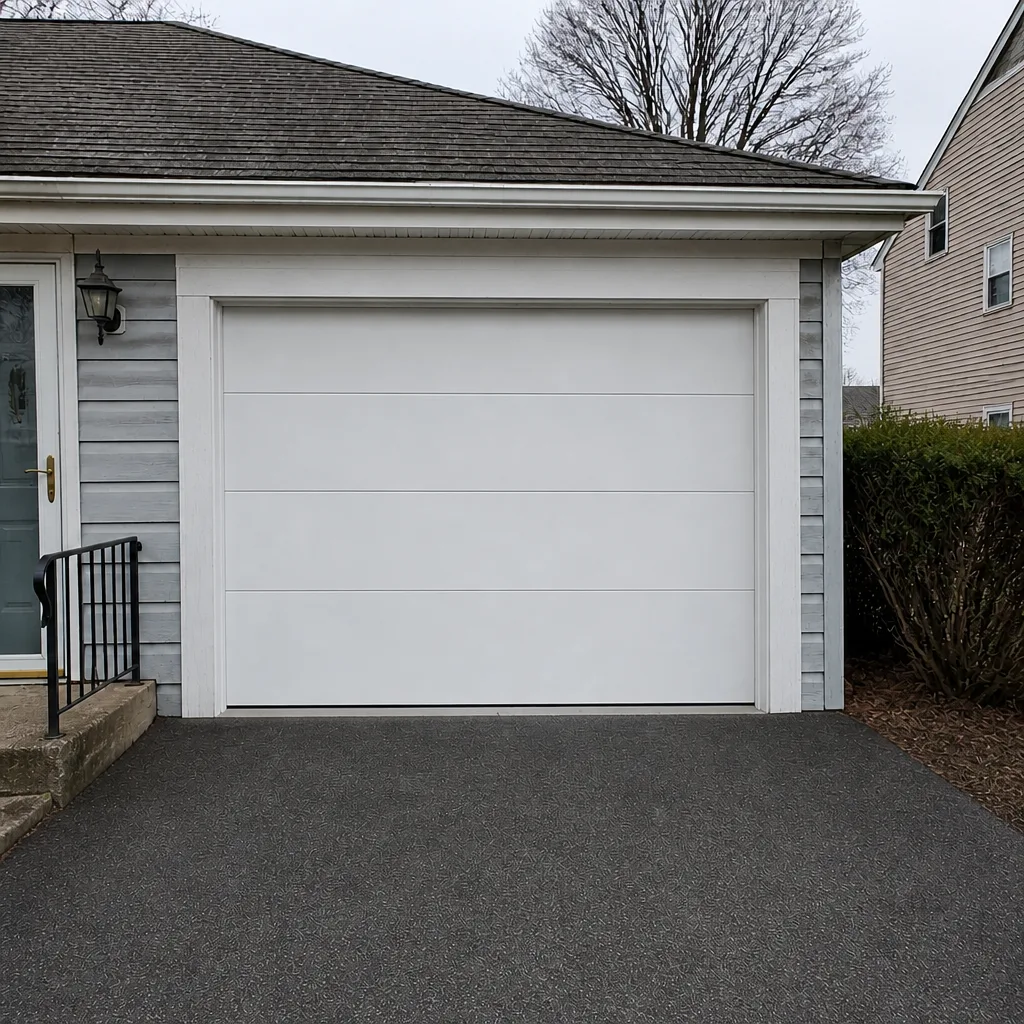
See the difference
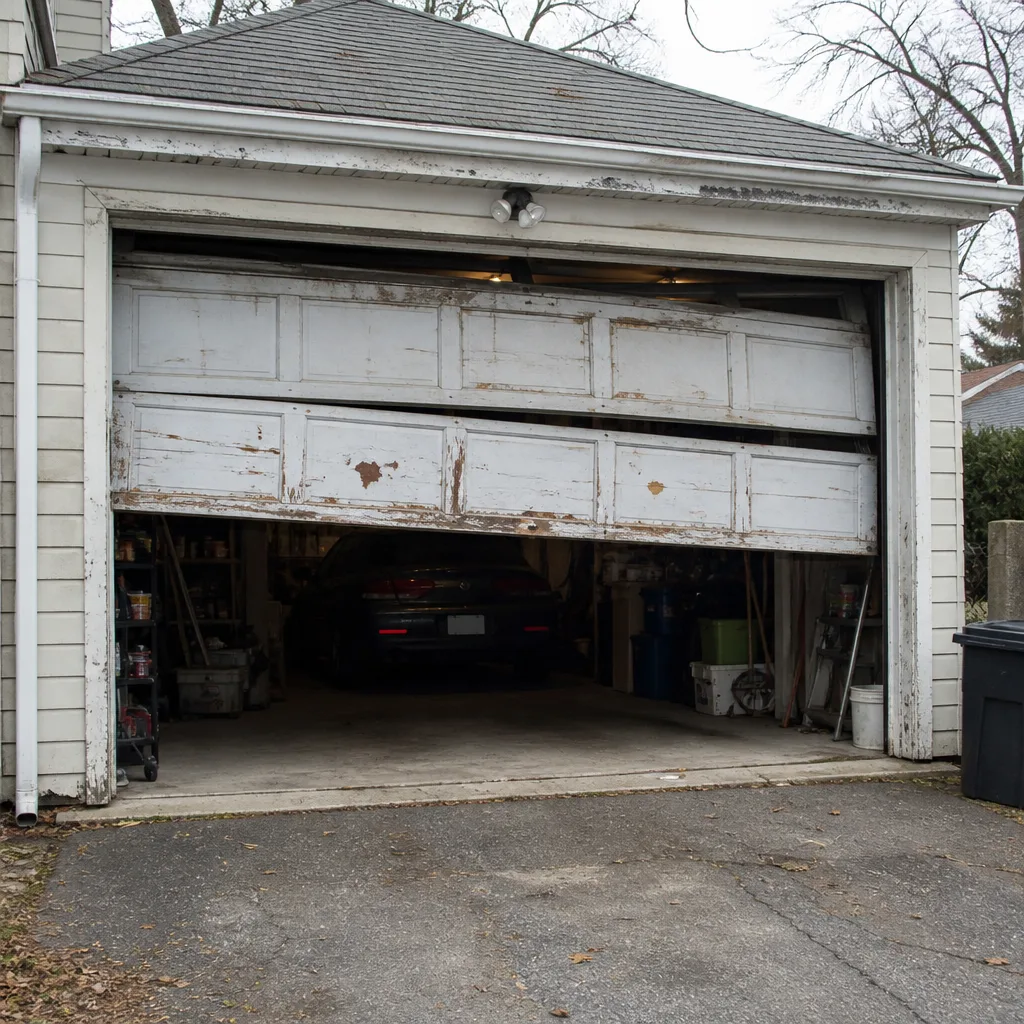 Before
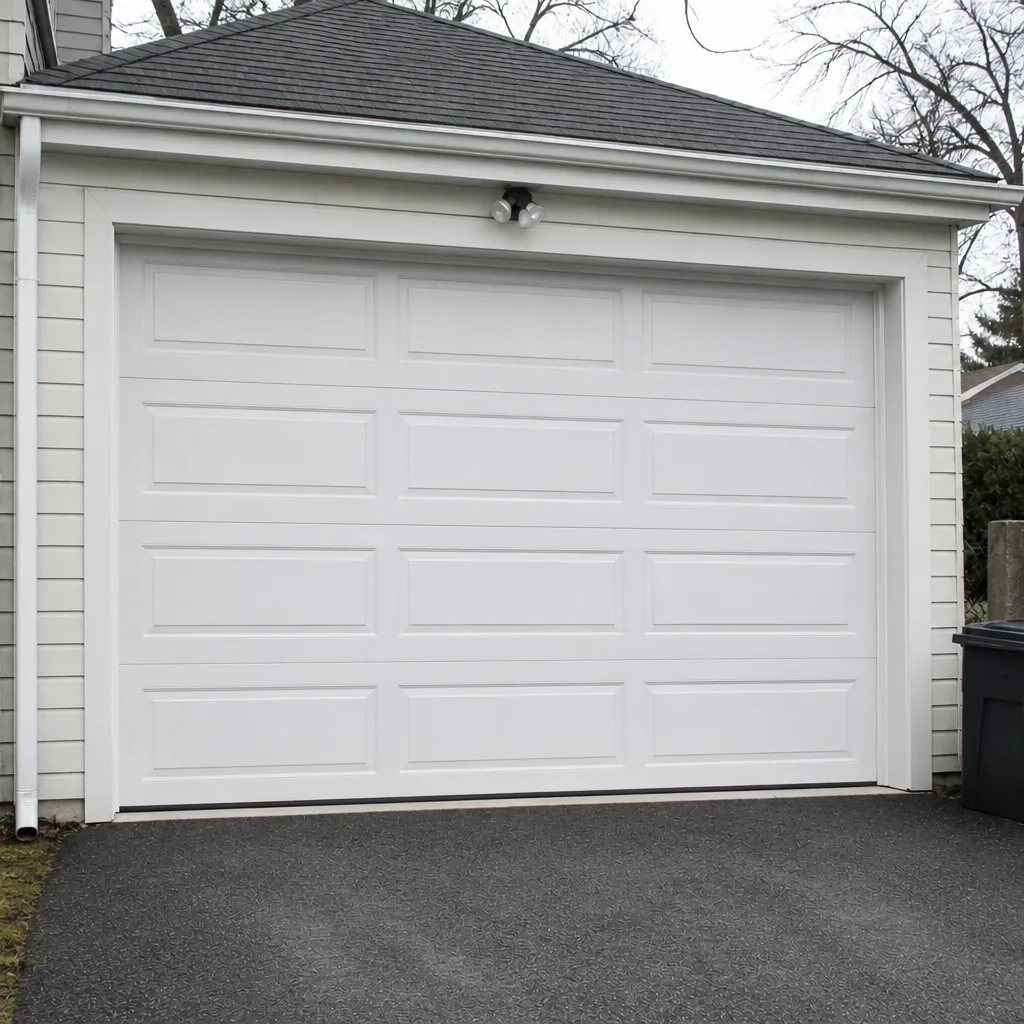 After
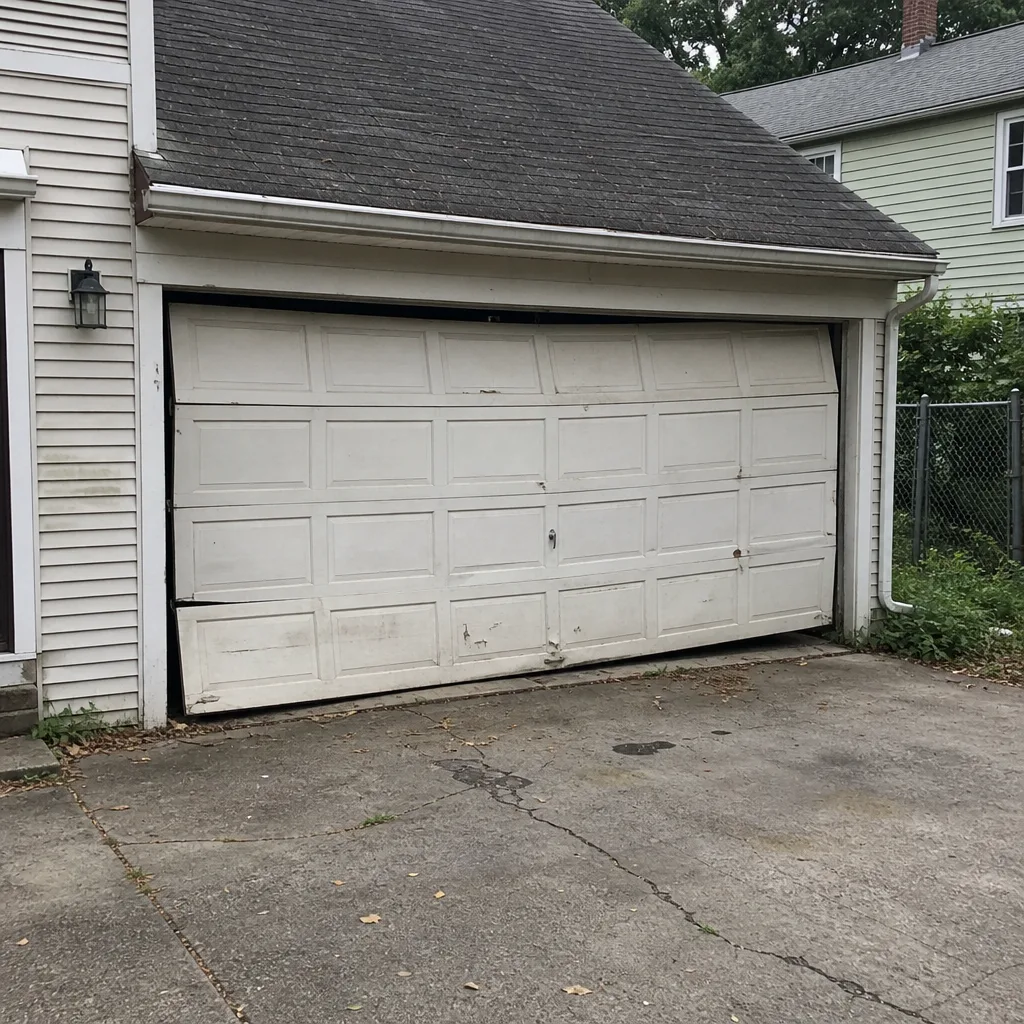 Before
 After
 Before
 After
Frequently Asked Questions
Check the simplest causes first: the wall switch, the opener’s circuit breaker, and whether the photo-eye safety sensors are blocked. If the power is out, confirm your battery backup is working. If the door still won’t move and the opener motor runs, that points to a spring, trolley, or track issue, and it’s time to call. Call (855) 658-4223 for a free estimate.
Yes, if the door is properly balanced and you use the manual release correctly. Pull the release cord straight down while the door is fully closed, then lift the door slowly. If the door feels heavy or won’t stay up, stop – that’s a spring problem, not a power problem, and forcing it can cause injury.
No. Don’t operate the door with a broken spring. The spring system balances the door’s weight, and without it the door is dangerously heavy and can fall. Keep the door closed, secure it in its tracks if you can, keep people and vehicles clear, and call for spring repair. Springs are under extreme tension and should only be handled by a trained technician.
A door is likely unsafe to open if any panel is bowed or separated, a track is visibly bent, a roller is out of its track, or the door won’t travel straight in its tracks. Inspect from the outside first with a flashlight. If any of those are present, leave the door closed and call for an inspection before you run the opener.
Test the battery backup at least once a year, and a second time right before winter. Unplug the opener and lift the door on backup power. If the door doesn’t move, replace the battery. Testing only takes a minute, and doing it in fall means you’re not troubleshooting during an outage in the cold.
We service equipment from the major residential brands, including LiftMaster, Chamberlain, Genie, Clopay, Amarr, Wayne Dalton, Craftsman, and Raynor. That means in most Waltham homes, we’re working on the system you already own. Call (855) 658-4223 for a free estimate.
The Bottom Line
Garage door emergencies in Waltham come down to preparation more than luck. Know the manual release procedure and its one angling mistake. Test your battery backup before winter, not during it. Leave a broken spring alone and secure the door closed. Inspect a storm-hit door carefully before you open it. And know that a specialist can usually diagnose and fix the problem in one visit. That’s what turns a stressful ten minutes into a short one. When you need us, call Waltham Garage Door Repair Pros at (855) 658-4223 – the estimate is free, and the price is agreed before any work starts.
Written by the team at Waltham Garage Door Repair Pros.