Last updated November 22, 2026
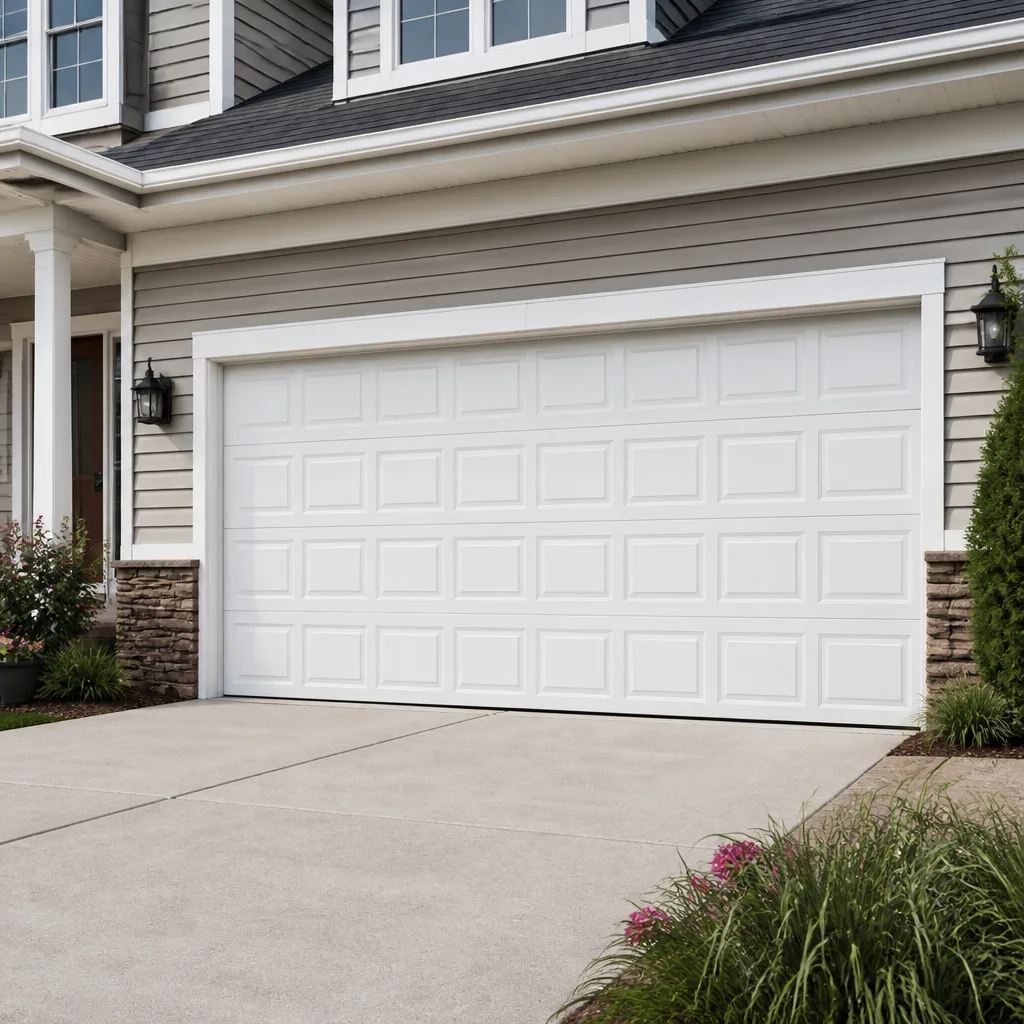 Raised-panel steel
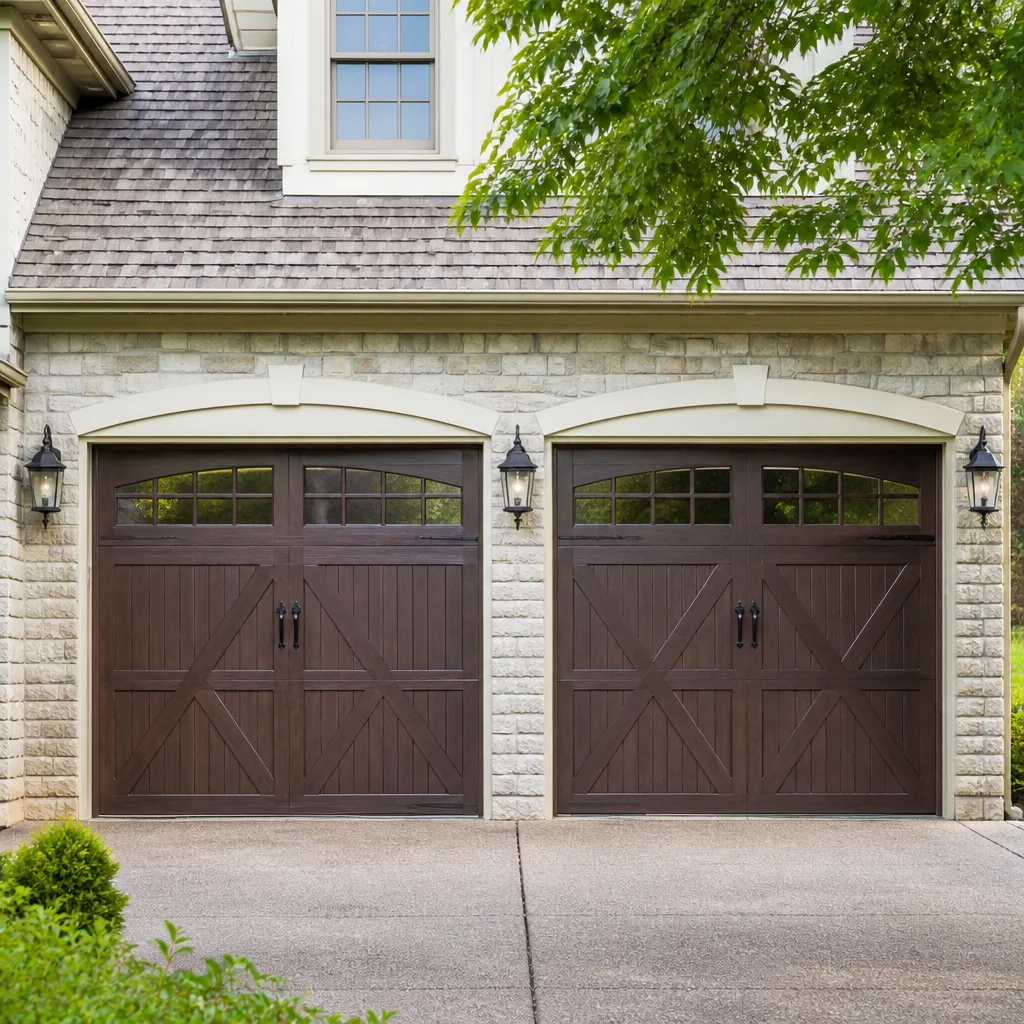 Carriage house
 Modern flush
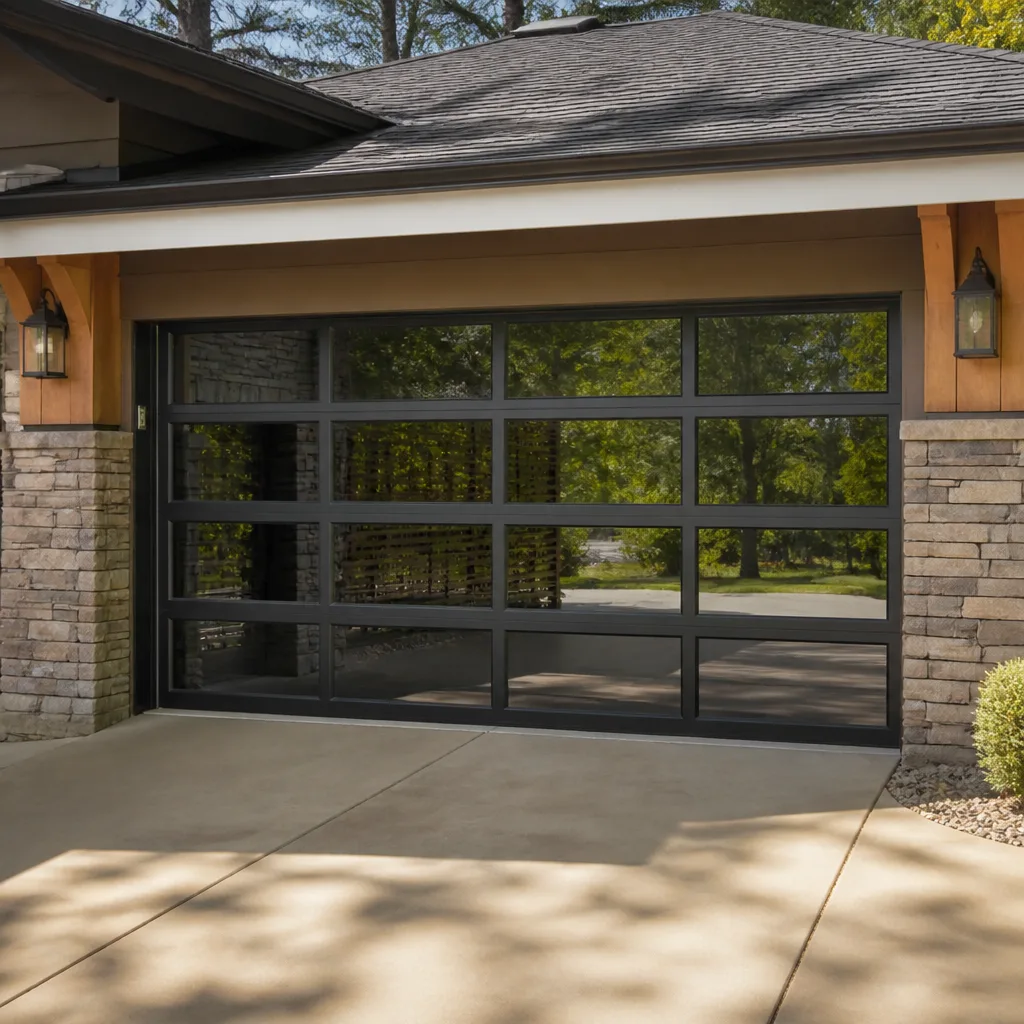 Full-view glass
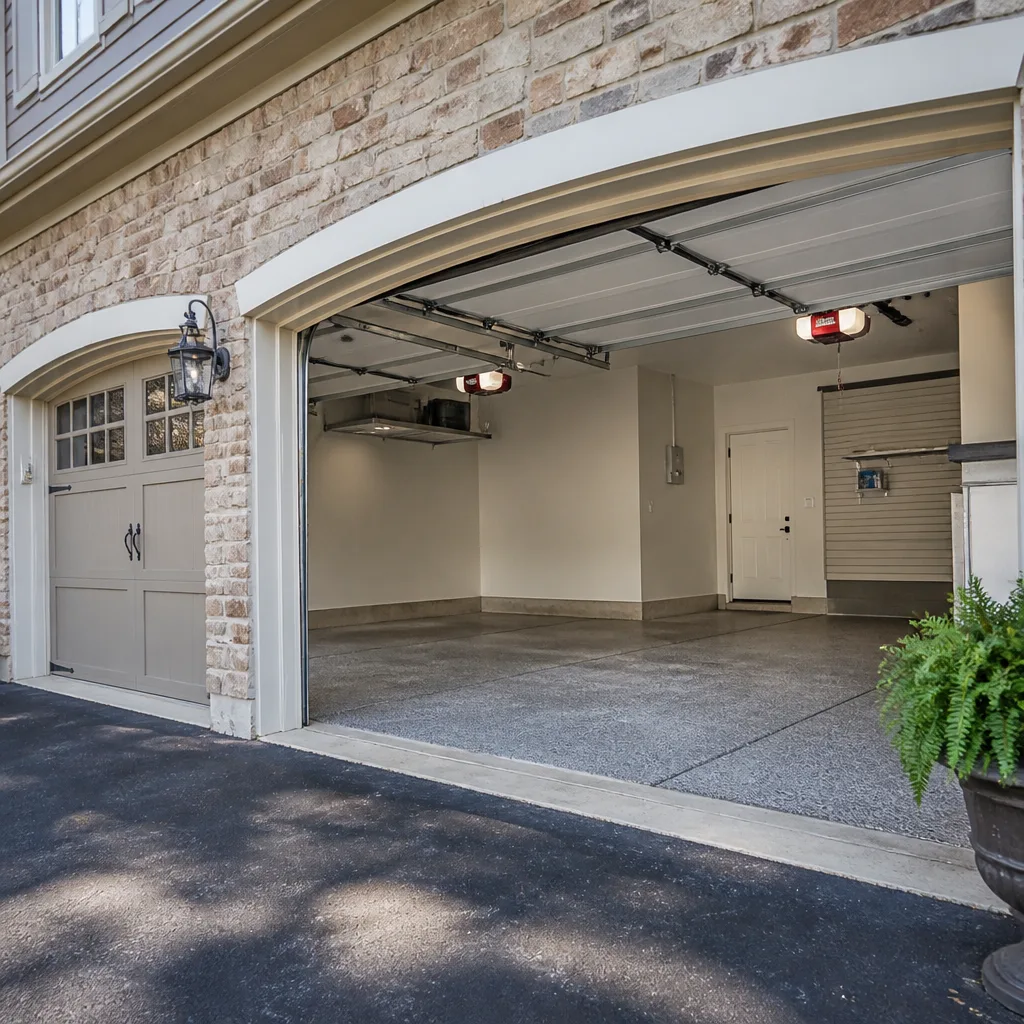 LiftMaster openers
 Chamberlain openers
Full 25-point door and opener safety check with every visit - springs, cables, rollers, tracks, and your LiftMaster or Chamberlain opener included
You get a price before we start. It does not change when the pro arrives.
Get your free estimateGarage Door Repair Maintenance Checklist for Waltham Homeowners
The number-one reason Waltham homeowners call us for emergency repairs isn’t a catastrophic failure. It’s a 15-minute lubrication task that got skipped for two winters in a row. A dry hinge wears, a roller seizes, the opener starts working harder to drag a door it used to glide, and one cold morning the whole system gives out at once. Most maintenance checklists you’ll find online are recycled straight from manufacturer PDFs and ignore how a door actually behaves through a New England year. This one is different. It’s built around the failure patterns we diagnose most often in Waltham, ordered by the season and the frequency they really show up. By the end you’ll know what to check yourself, what to leave alone, and how to build a rhythm that keeps your door out of trouble.
Quick Answer
A garage door maintenance routine for Waltham should cover lubrication every season, a monthly visual and balance check, a bottom seal inspection after every winter, and an annual professional tune-up. The tasks you can safely do at home are cleaning, lubricating hinges and rollers, testing the safety reverse, and checking the seal. Anything involving springs, cables, or the torsion system requires a trained technician. Keep a simple log of dates, parts, and opener error codes so any technician can pick up where the last check left off.
Styles & brands we work with
- Raised-panel steel
- Carriage house
- Modern flush
- Full-view glass
- LiftMaster openers
- Chamberlain openers
Table of Contents
- Why Waltham Doors Fail Differently
- DIY-Safe Tasks vs. Technician-Only Work
- The Four-Season Maintenance Rhythm
- The Right Lubricant for New England Temperature Swings
- Testing Your Bottom Seal After a Waltham Winter
- Opener Force-Sensitivity Calibration and Why It Drifts
- Building a Maintenance Log That Actually Helps
- Your Monthly Ten-Minute Check
Why Waltham Doors Fail Differently
A garage door in Waltham lives a harder life than the same door in a mild climate. Our year swings from humid summer afternoons to hard overnight freezes, and that cycle repeats dozens of times between November and March. Metal expands and contracts. Lubricant thickens in the cold and thins in the heat. Wooden and composite panels take on moisture and give it back. A door that runs quietly in July can groan and shudder by January, and the owner usually notices only when something stops working.
The housing stock across Waltham adds its own wrinkles. Older garages near the center of the city often have doors that were installed decades ago and have never been rebalanced, so the opener carries weight it was never meant to. Newer construction out toward the edges tends to use lighter, better-sealed doors with smart openers, where the weak point is more often calibration than hardware. Both kinds of door need the same rhythm of checks; they just fail in different places first.
Here’s what we see most often, roughly in order of frequency:
- Seized or dry hinges and rollers from skipped lubrication, which overloads the opener and shortens its life.
- Worn bottom seals that let in meltwater, drafts, and small pests after a heavy winter.
- Drifting opener force settings that make the door reverse for no clear reason in cold weather.
- Snapped torsion springs after a long run of cold-morning cycles, which is the single most common emergency call we take.
- Misaligned safety sensors knocked by a shovel, a bike, or a car bumper in a tight garage.
None of these appear overnight in a vacuum. Each gives warning signs first, and a maintenance rhythm is really just a habit of noticing those signs early. If you’d rather have a specialist handle the whole routine, our Waltham Garage Door Repair Pros team can set up a seasonal check and walk you through what your door needs.
DIY-Safe Tasks vs. Technician-Only Work
The most useful thing a checklist can do is tell you where to stop. Some maintenance is easy and safe for any homeowner. Some of it can seriously injure you if you get it wrong, no matter how careful you are. Sorting the tasks into these two buckets is the single best way to protect both your door and yourself.
Safe to do yourself:
- Wiping down tracks with a damp cloth and checking for dents or debris.
- Lubricating hinges, rollers, and the torsion spring (a light mist on the coils only).
- Testing the safety reverse with a small object.
- Inspecting the bottom seal and weatherstripping by eye and by hand.
- Clearing the photo-eye sensors and confirming the indicator lights are steady.
- Listening for new sounds and noting them in a log.
Technician-only work:
- Adjusting or replacing torsion springs. These are under extreme tension, and manufacturers and industry groups explicitly warn against DIY attempts. A spring that lets go can cause serious injury in a fraction of a second.
- Replacing cables, which are equally loaded and equally unforgiving.
- Rebalancing the door or adjusting the counterweight system.
- Replacing hinges that carry spring tension on some door designs.
- Removing or reinstalling the opener rail and drive assembly.
If you’re ever unsure which category a task falls into, treat it as technician work. That instinct alone prevents most of the injuries and repeat repairs we see. Our garage door spring repair service exists precisely because this is one job nobody should attempt at home.
The Four-Season Maintenance Rhythm
Rather than a single annual checklist you print and forget, we recommend a light rhythm that follows Waltham’s actual seasons. Each season has a specific job, and doing the right one at the right time catches problems before they compound.
Spring (after the freeze lifts):
- Inspect the bottom seal for cracks and gaps left by winter.
- Test the safety reverse and both photo-eye sensors.
- Wipe down and re-lubricate all moving parts.
- Run the door up and down several times and listen for new sounds.
Summer (humid season):
- Check for rust on hinges, rollers, and track sections.
- Confirm the door is balanced by disconnecting the opener and lifting it halfway by hand.
- Look at the weatherstripping for gaps that let humidity and insects in.
Fall (before the first hard freeze):
- Lubricate with a cold-rated product, since winter is when the wrong grease thickens.
- Test the opener’s force-sensitivity setting (more on this below).
- Check the seal again before snow and meltwater arrive.
Winter (cold-season monitoring):
- Listen for grinding or straining on cold mornings.
- Clear ice and snow from the bottom of the door and the threshold.
- Keep the sensors free of frost and debris.
If you’d rather not track all of this yourself, a professional seasonal check does the heavy lifting. Our garage door repair service covers both the routine tune-up and any fixes a check turns up, so one visit handles the whole list. Estimate and pricing is agreed before any work starts, so there are no surprises halfway through.
The Right Lubricant for New England Temperature Swings
Lubricant is where most home maintenance advice goes wrong for cold climates. The product that works fine in a warm garage in Georgia can turn into glue in a Waltham garage in February. Choosing the wrong one doesn’t just fail to help; it actively slows the door, strains the opener, and can lead to premature part failure.
What works:
- A white lithium grease or a dedicated garage-door lubricant designed for a wide temperature range.
- Silicone-based spray for tracks and weatherstripping (silicone doesn’t attract dust the way oil does).
- A light application on hinges, roller stems, and the torsion spring coils.
What degrades in the cold:
- General-purpose multi-oil sprays that are too thin and evaporate quickly.
- Heavy automotive grease that thickens and drags the door in winter.
- Any product that isn’t labeled for cold-weather use; the label matters more than the brand.
And the big one: WD-40 is the wrong call for a garage door. It’s a light solvent, not a long-lasting lubricant. It will feel slippery for a day or so and then evaporate, leaving the hinges and rollers drier than before. What you want is a proper lubricant that stays put through a cold snap. Apply a light coat rather than a heavy one; too much grease attracts grit, which wears the moving parts faster than if you’d left them dry.
If your door is already grinding or straining, don’t just keep lubricating over it. That’s often a sign of a worn roller or a failing spring, and a specialist can tell you which. Our team has seen every version of this and can diagnose it in a single visit.
Testing Your Bottom Seal After a Waltham Winter
The bottom seal is the least glamorous part of a garage door and the one that takes the most punishment over a New England winter. It presses against a driveway that heaves and settles with frost, sits in meltwater for weeks, and holds back cold air that wants in. A worn seal lets water pool at the threshold, lets drafts through, and gives small pests an easy route inside.
Most seals fail quietly, so you need a test that reveals what your eyes miss. Here’s the cardboard-slip test, which most guides skip:
- Close the door fully.
- Slide a piece of thin cardboard (a cereal box flap works well) under the door at several points along its width.
- If the cardboard slides through easily at any point, the seal has compressed or pulled away and isn’t doing its job there.
- Repeat from the inside and the outside to catch gaps that only show on one side.
Also check for:
- Cracks and splits in the rubber or vinyl, especially at the corners where the seal bends.
- Flattening along the part that meets the driveway.
- Pulled nails or adhesive where the seal attaches to the door panel.
Replacing a bottom seal is inexpensive and usually a same-visit job, but if the door itself is warped or out of balance, a new seal won’t fix the gap. That’s when a technician should look at it. If you’re also hearing new sounds after a hard winter, a general tune-up can catch seal problems and hardware wear together.
Opener Force-Sensitivity Calibration and Why It Drifts
Opener force-sensitivity is the setting that tells the motor how much resistance to accept before it reverses. When the setting is too sensitive, the door reverses on its own for no obvious reason. When it’s not sensitive enough, the door doesn’t reverse when it should. Both are safety concerns, and both happen more often in cold weather.
The reason it drifts in a Waltham garage is simple: the whole drive system is fighting the cold. Grease thickens, rollers drag, and the opener’s motor meets more resistance. The machine interprets that resistance the same way it would interpret an obstacle, and the door reverses. A homeowner sees a door that “randomly” goes back up and assumes the opener is broken, when the real issue is calibration and lubrication together.
How to reset it without voiding the warranty:
- Lubricate the door first. If the resistance is from dry hinges and rollers, recalibration alone won’t fix it.
- Find your opener model’s force adjustment, usually a labeled screw or a programming sequence on the motor housing.
- Follow the manufacturer’s reset procedure exactly. These differ between brands, which is why we keep working knowledge of LiftMaster, Chamberlain, Genie, and the other main systems.
- Test the reverse with a small box under the door. It should reverse on contact.
- Re-test in a cold garage if you can, since the door behaves differently below freezing.
If you’re unsure of the reset sequence or your opener uses a smart-home app for calibration, it’s worth having a specialist handle it. Our garage door opener repair service covers calibration, sensor alignment, and full diagnostics, and we work on the brand you already own rather than pushing a replacement.
Building a Maintenance Log That Actually Helps
Most homeowners never keep a garage door log, and the ones who do usually record the wrong things. A useful log isn’t a diary. It’s a short record that tells the next technician (or you, six months later) what’s already been tried, what’s been replaced, and what the door has been telling you.
What to track:
- Date of each check or service call.
- What was done – lubricated, adjusted, replaced, tested.
- Any parts replaced and roughly when they were installed.
- Opener error codes – most openers flash a light pattern for different faults; note the pattern before it clears.
- New sounds or behavior – grinding, shuddering, reversing, slow travel.
- Who did the work – you or a technician.
This log pays off in two ways. First, if the same problem recurs, a technician can see quickly what’s been checked. Second, if you ever sell the house, a maintenance record is a real selling point – a prospective buyer can see the door has been cared for. Keep it on a note on your phone or a sheet taped inside the garage door frame. It doesn’t need to be formal.
A well-kept log also saves money. Instead of paying for a diagnostic on a door with a history you’ve already documented, you and the technician start from where you left off. That’s one reason we ask customers for their log before we arrive: it makes the visit faster and the diagnosis more accurate.
Your Monthly Ten-Minute Check
A full seasonal tune-up is worth doing, but most doors stay healthy on a ten-minute monthly check that catches the small stuff. Here’s the routine we recommend to Waltham homeowners:
- Visual scan – look at the tracks, hinges, rollers, and springs for anything obviously bent, loose, or broken.
- Listen – run the door up and down once and notice any new grinding or scraping.
- Test the reverse – place a small object in the door’s path and confirm it reverses on contact.
- Check the sensors – both photo-eye lights should be steady, not blinking. Wipe off the lenses.
- Check the seal – a quick look and a cardboard-slip test if it’s been wet.
- Log the date – add a line to your log even if nothing needed attention. That baseline matters later.
This monthly rhythm, combined with the seasonal jobs above, is what keeps a door from becoming an emergency. If you’d rather not manage it, our team can set up a simple schedule for you. Our technicians have up to 10 years of experience across every major door and opener brand, and we’re 100% garage doors rather than a general handyman service.
Common Mistakes to Avoid
- Using WD-40 as a lubricant. It’s a solvent, not a long-lasting lubricant, and it leaves hinges and rollers drier than before. Use a cold-rated garage door lubricant instead.
- Forgetting the bottom seal after winter. Meltwater and frost destroy seals quietly, and a slow leak can rot the door frame long before the seal itself is obvious. Test with the cardboard-slip method every spring.
- Leaving the opener force setting alone. A door that reverses “randomly” in cold weather is usually telling you the setting needs reset, not that the opener is broken. Recalibrate after lubricating.
- Ignoring a spring you can see but not feel. A spring that’s stretched, discolored, or noisy is often one cold morning away from snapping. Spring tension checks are not DIY-safe; have a technician look at it.
- Over-greasing. A heavy coat of grease attracts grit, and grit wears hinges and rollers faster than a dry hinge. Apply a light coat, not a thick one.
- Never keeping a log. Without a record, every service visit starts from scratch, and recurring problems go undiagnosed. Note dates, parts, and error codes.
- Assuming a slow door means a weak opener. A slow or straining door is usually a door problem – worn rollers, a failing spring, or dry hinges – not a motor problem. A specialist can diagnose which in one visit.
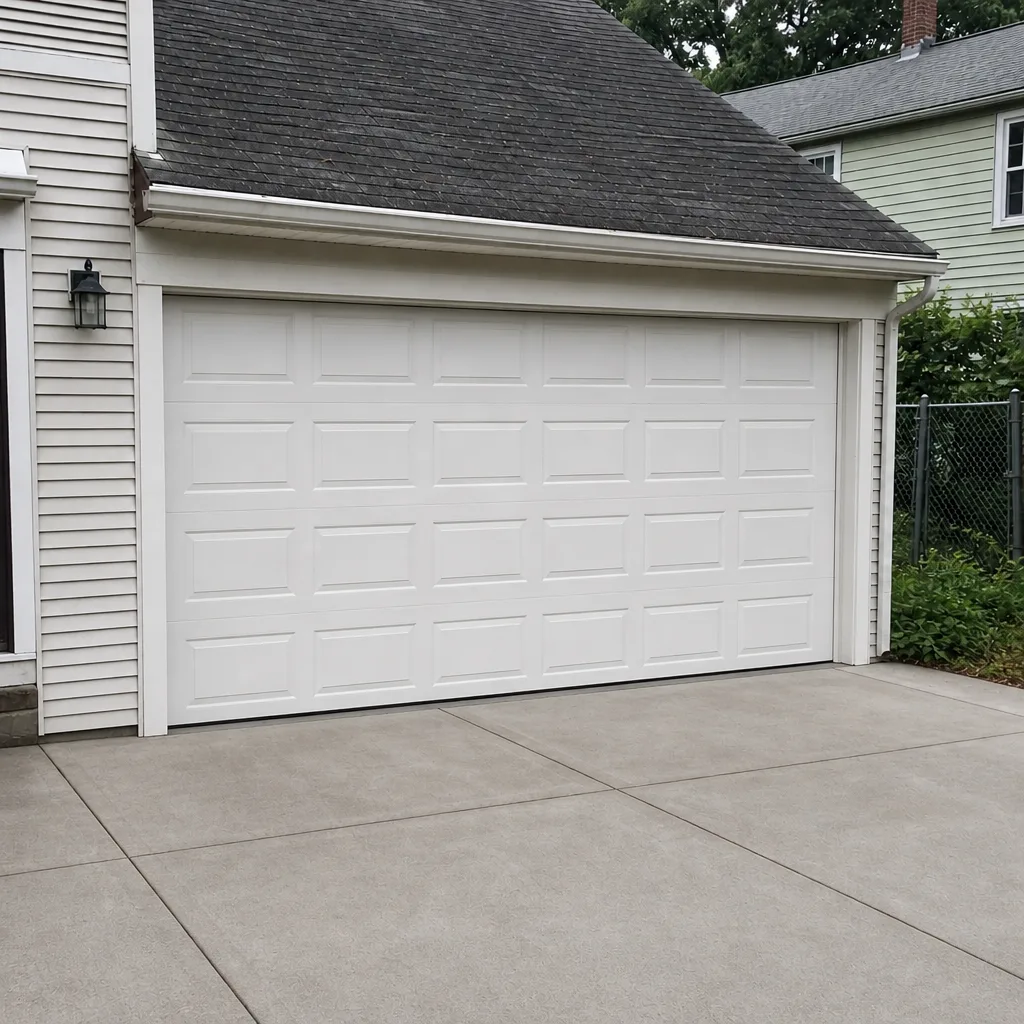
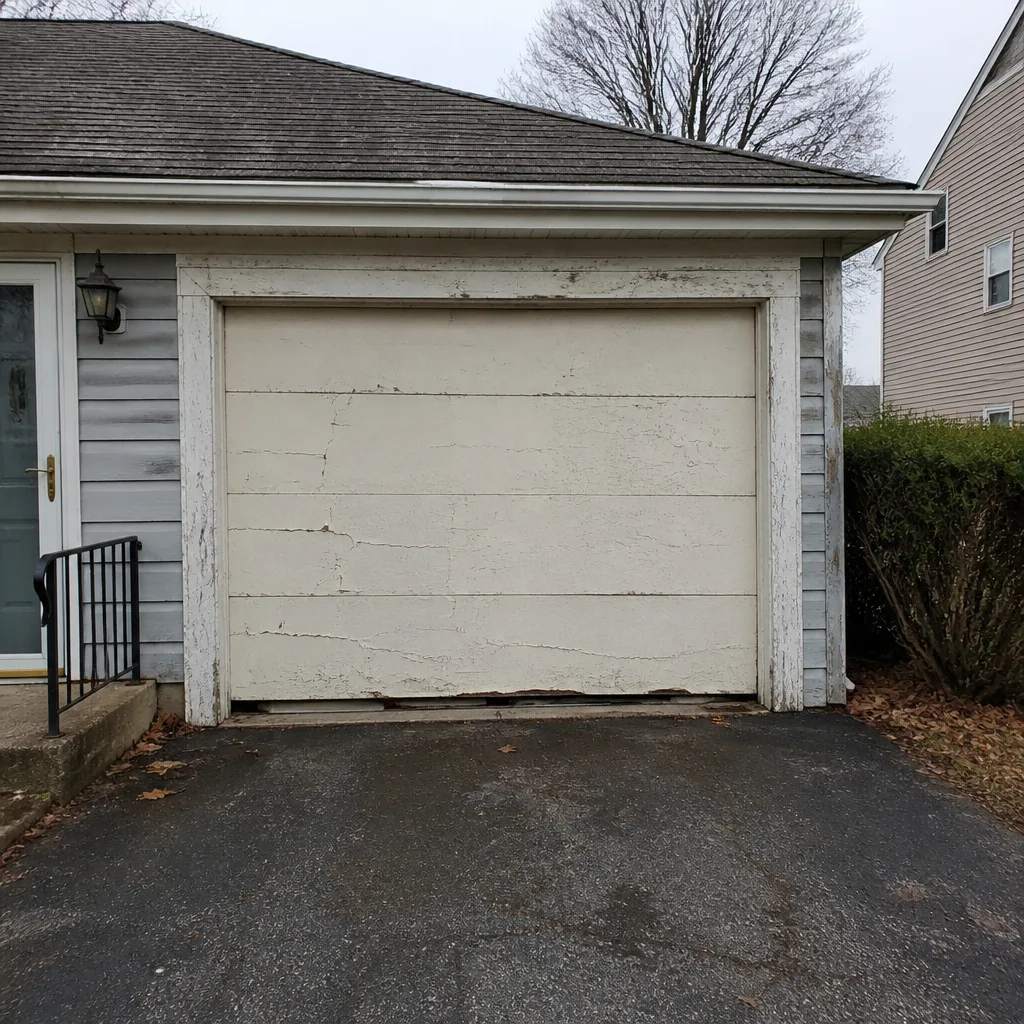
See the difference
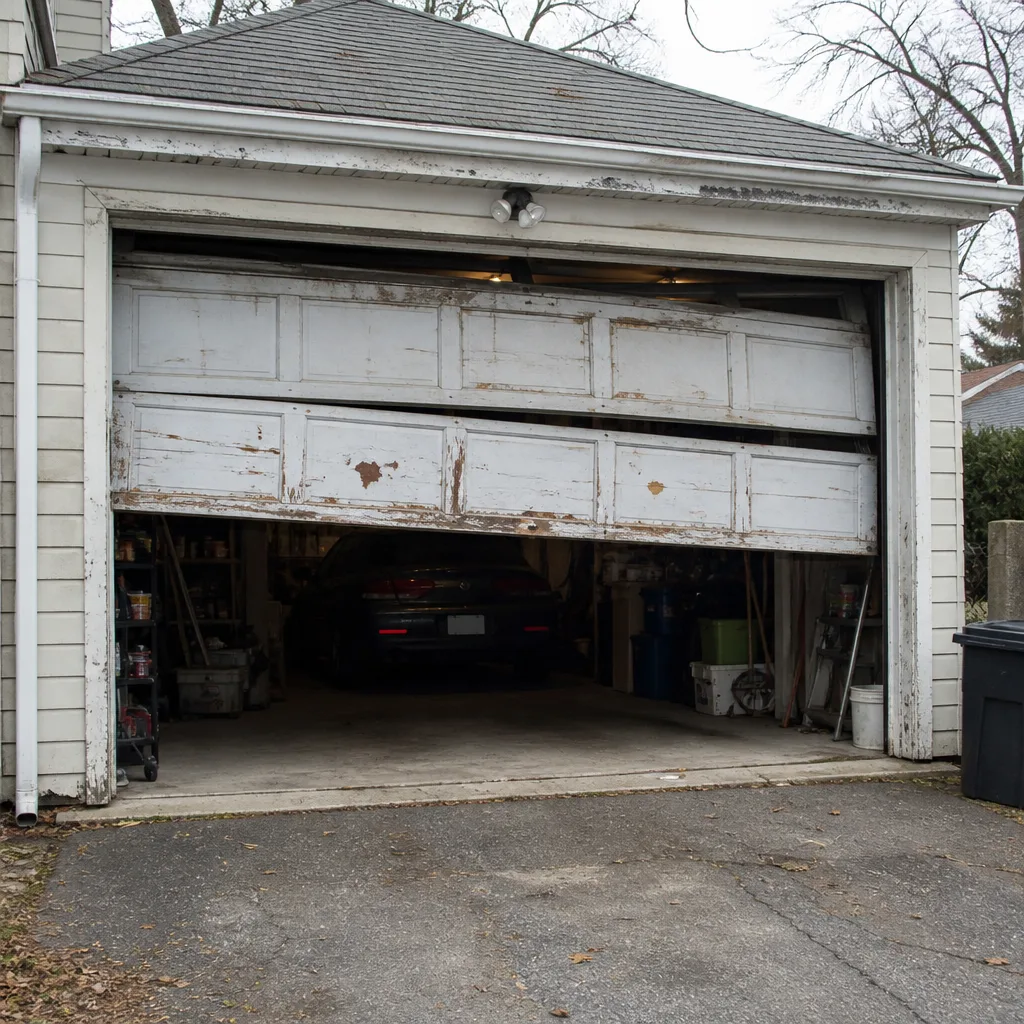 Before
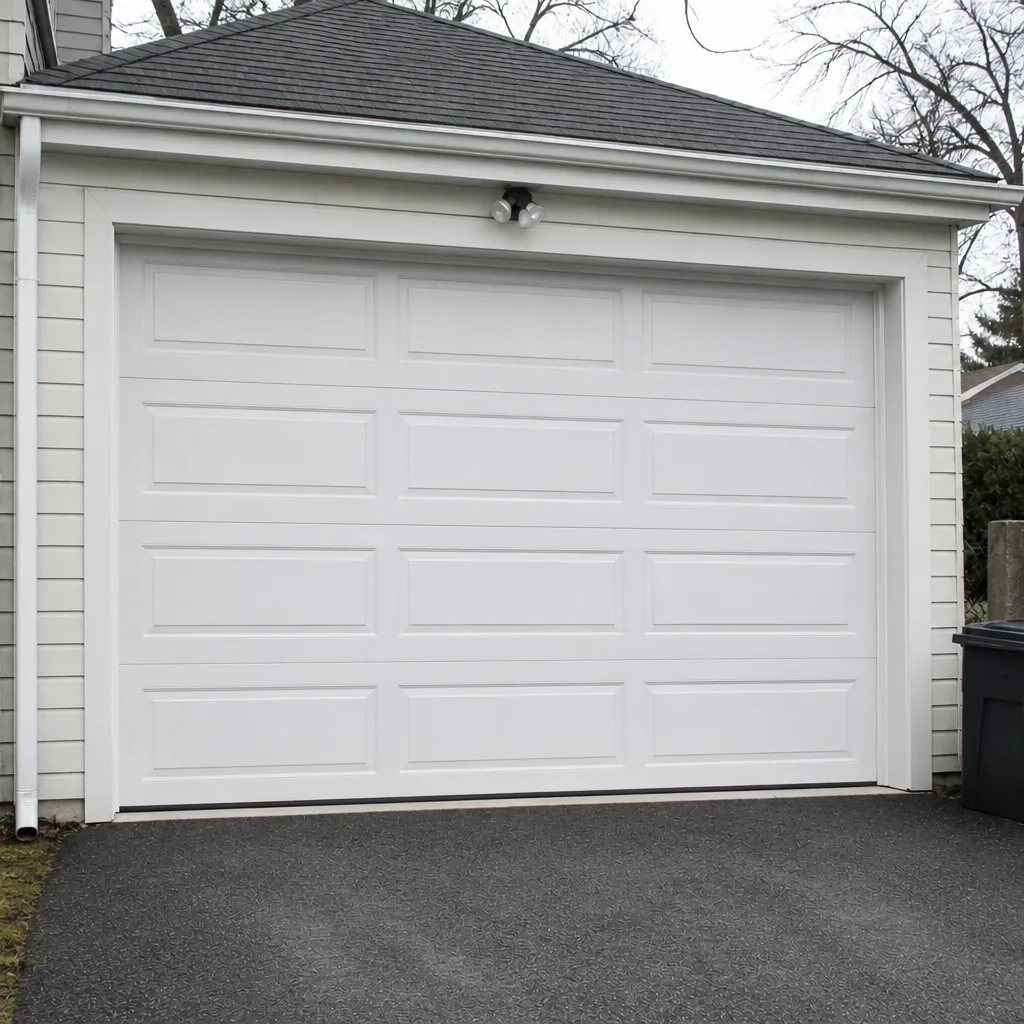 After
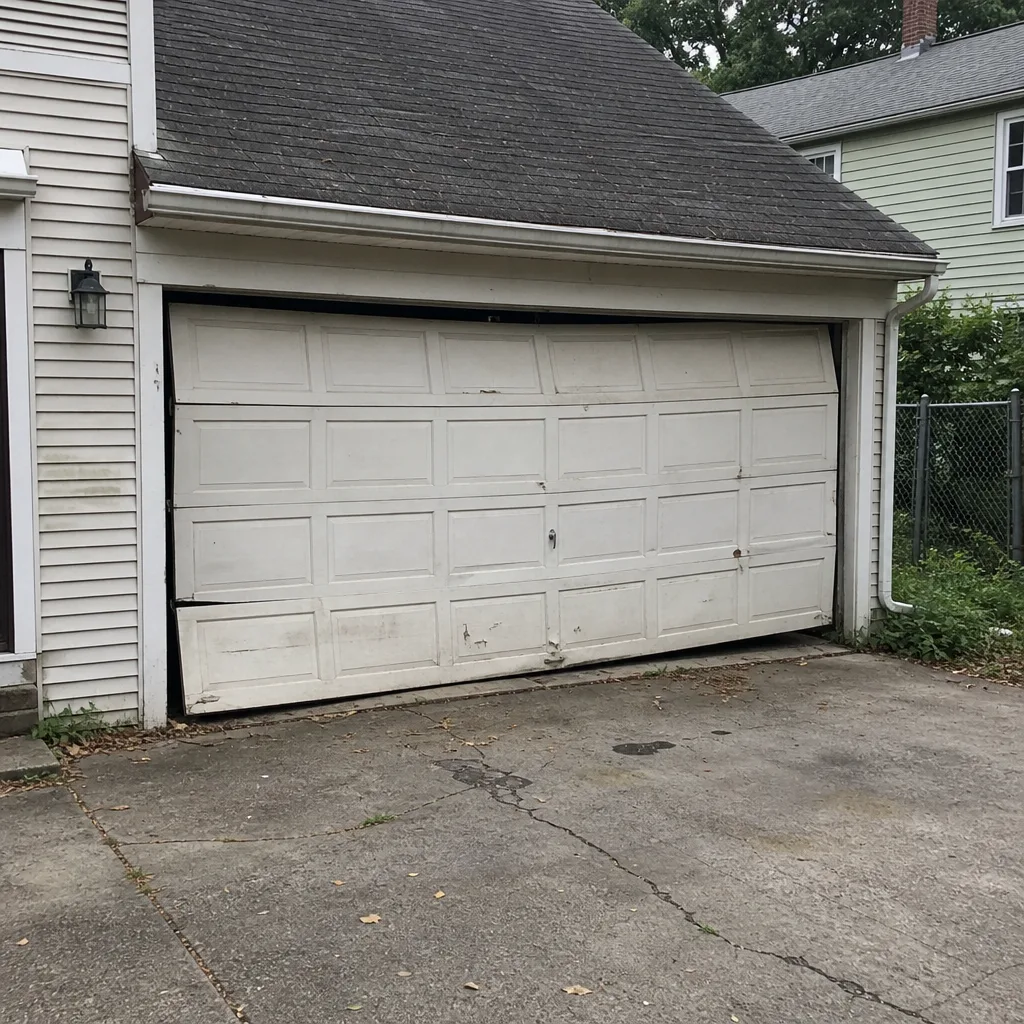 Before
 After
 Before
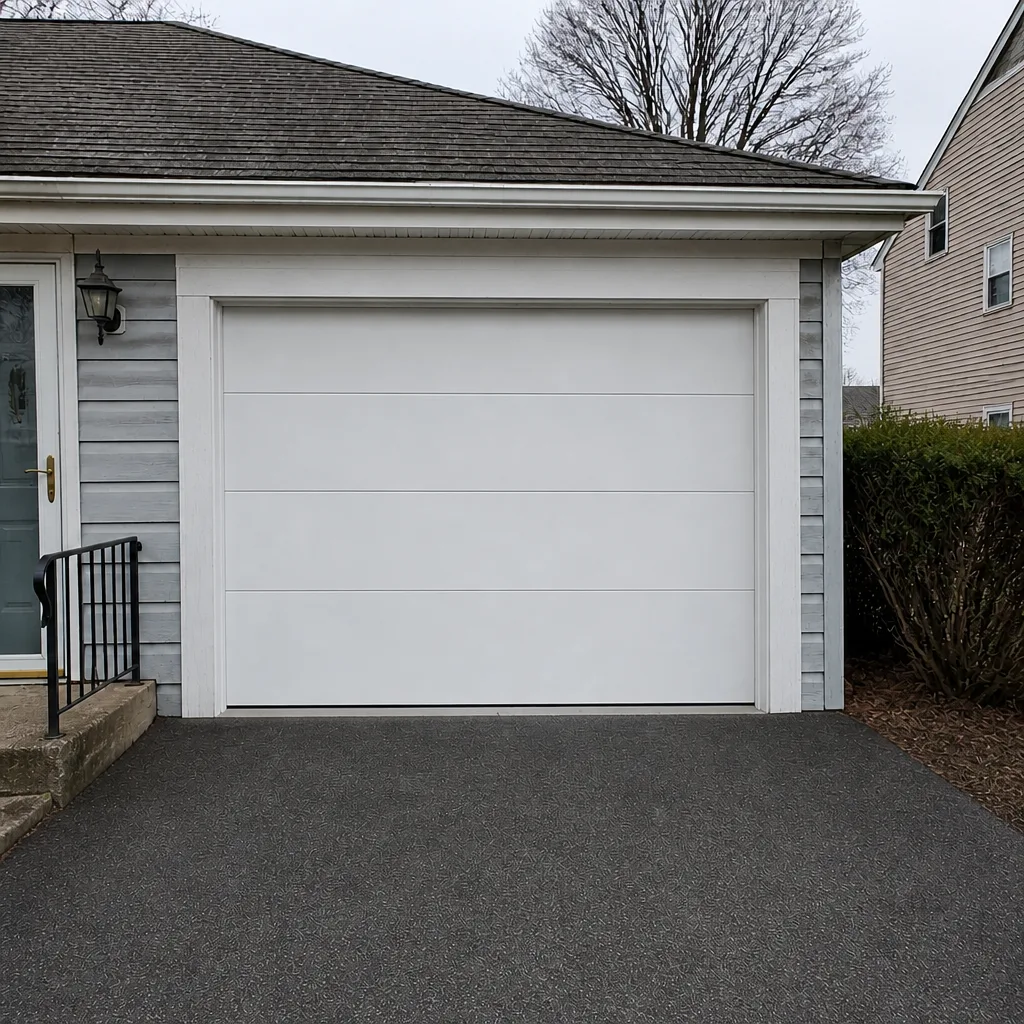 After
When to Call a Professional
Some situations are always a call to a professional, no matter how handy you are. Springs and cables should never be touched by a homeowner. A door that’s clearly off its track, crooked in the frame, or grinding when it moves needs a technician before it falls. If your opener is over a decade old and not responding to a reset, it’s worth having a specialist check whether a repair makes sense or a replacement is the better move. If your door won’t close or climb in the cold, and lubrication and a reset haven’t helped, a technician can find the real resistance. And if the door is stuck open or stuck closed when you need to leave, an emergency visit can get you moving without turning a small problem into a costly one.
Waltham Garage Door Repair Pros offers free estimates in Waltham – call (855) 658-4223. Every job is quoted and agreed before any work starts, so you’ll know the cost before anyone touches the door.
Frequently Asked Questions
Once a year for a full professional tune-up, plus a ten-minute monthly check and a light seasonal lubrication. Waltham’s wide temperature swings put more strain on the door than a mild climate does, so the seasonal rhythm matters more here than in most places. Call (855) 658-4223 for a free estimate on a tune-up.
Yes, lubricating hinges, rollers, and the torsion spring is safe for a homeowner, as long as you use a cold-rated garage door lubricant and not WD-40 or heavy grease. Do not touch springs, cables, or the tension system; those are technician-only. If you’re unsure, call (855) 658-4223 and we’ll tell you what’s safe.
It’s a simple check for a worn bottom seal. Close the door fully, then slide a piece of thin cardboard under the door at several points along its width. If it slides through easily, the seal has compressed or pulled away there. A new seal is inexpensive and usually a same-visit job – call (855) 658-4223 for a free estimate.
Most often the opener’s force-sensitivity setting has drifted because cold grease and dry hinges add resistance, and the opener reads that as an obstacle. Lubricate the door first, then have the force setting reset. If it keeps reversing, there may be a sensor or hardware problem. Call (855) 658-4223 for a free diagnostic estimate.
Permit rules vary, so the safest answer is to check with Waltham’s building department before work starts. Some door replacements need a permit and some don’t, depending on the project. A written estimate should spell out what’s covered. Call (855) 658-4223 if you’d like a free measure and price on a replacement.
We service LiftMaster, Chamberlain, Genie, Clopay, Amarr, Wayne Dalton, Craftsman, and Raynor – the eight brands most common on Waltham door systems. That means most homeowners already own a system we work on. Call (855) 658-4223 for a free estimate.
The Bottom Line
A garage door lasts longer and fails less often when it gets a light, regular rhythm of checks rather than one big fix when it breaks. The four things that matter most: lubricate with the right cold-rated product every season, test the bottom seal after each winter, reset the opener force setting when the door starts reversing, and keep a short log so nothing gets missed. Leave springs and cables to a trained technician, because that’s where the real danger lives. Do those things and your door should stay quiet through even a hard Waltham winter.
Contact
If you’d rather hand the whole routine to a specialist, or if something’s already going wrong with your door, call Waltham Garage Door Repair Pros at (855) 658-4223 for a free estimate. We diagnose and fix the brand you already own, from a broken spring to a full new installation, and the price is always agreed before any work begins.
Written by the team at Waltham Garage Door Repair Pros.