Last updated November 22, 2026
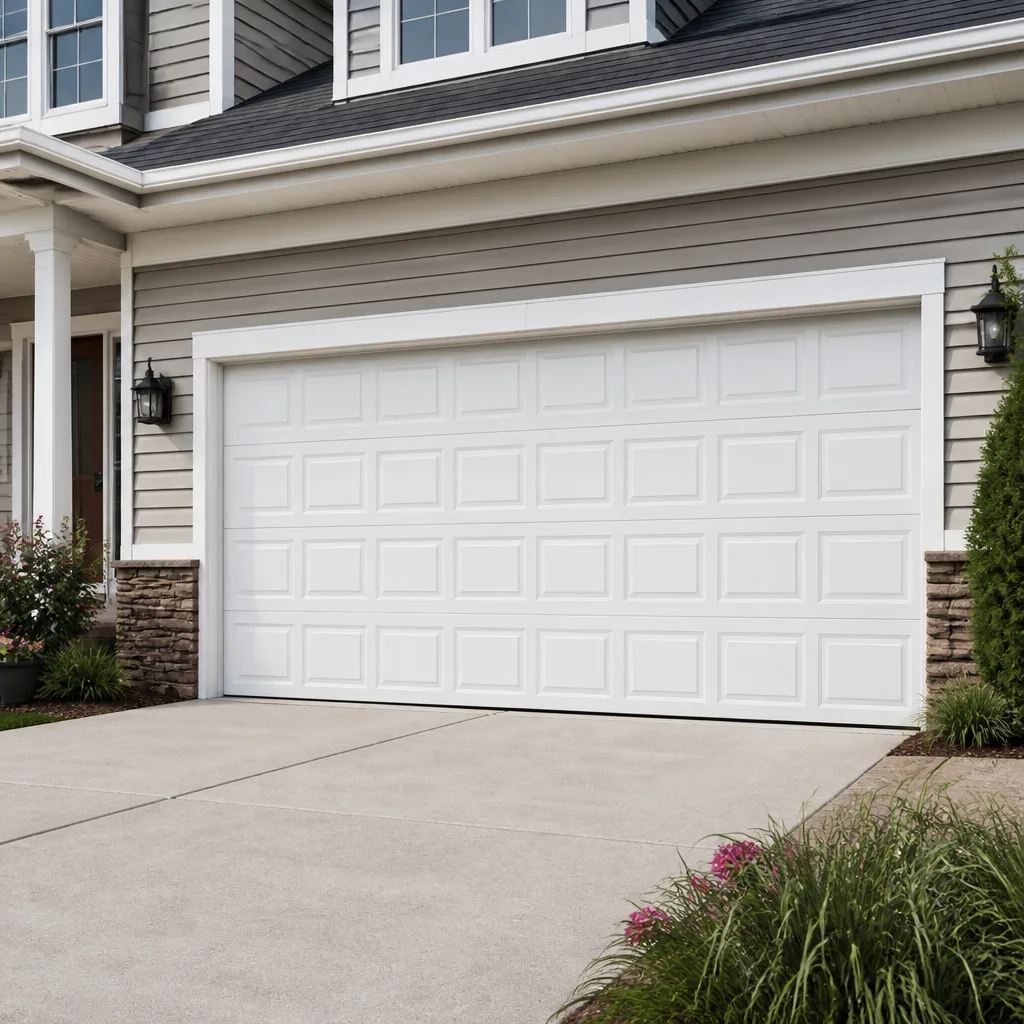 Raised-panel steel
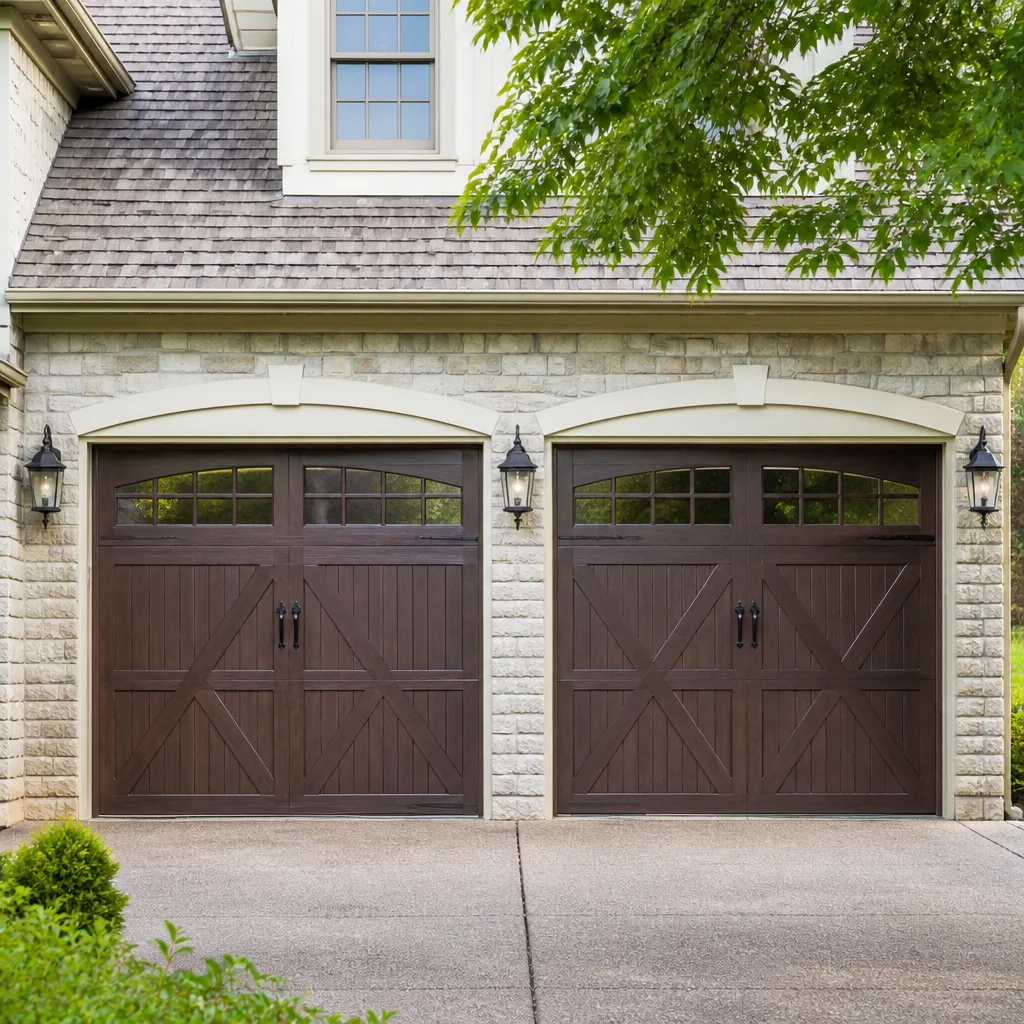 Carriage house
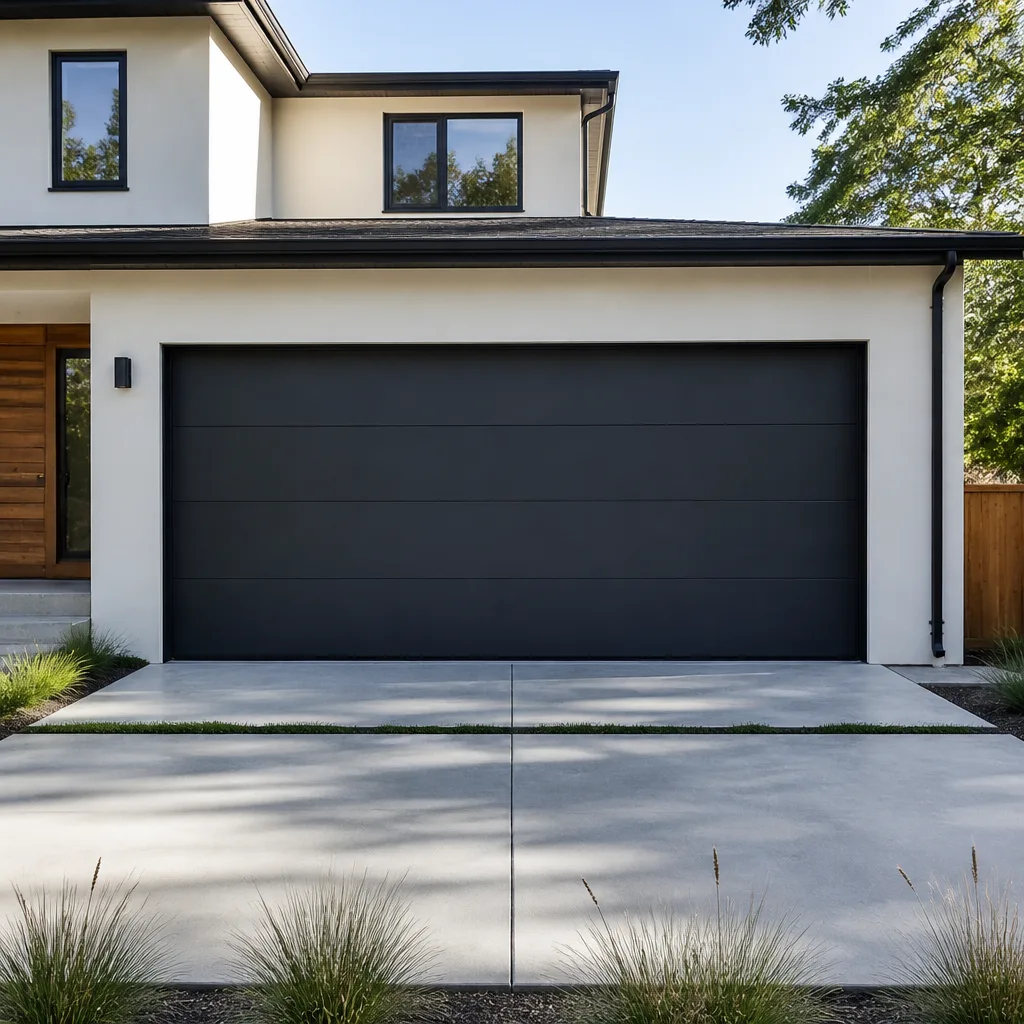 Modern flush
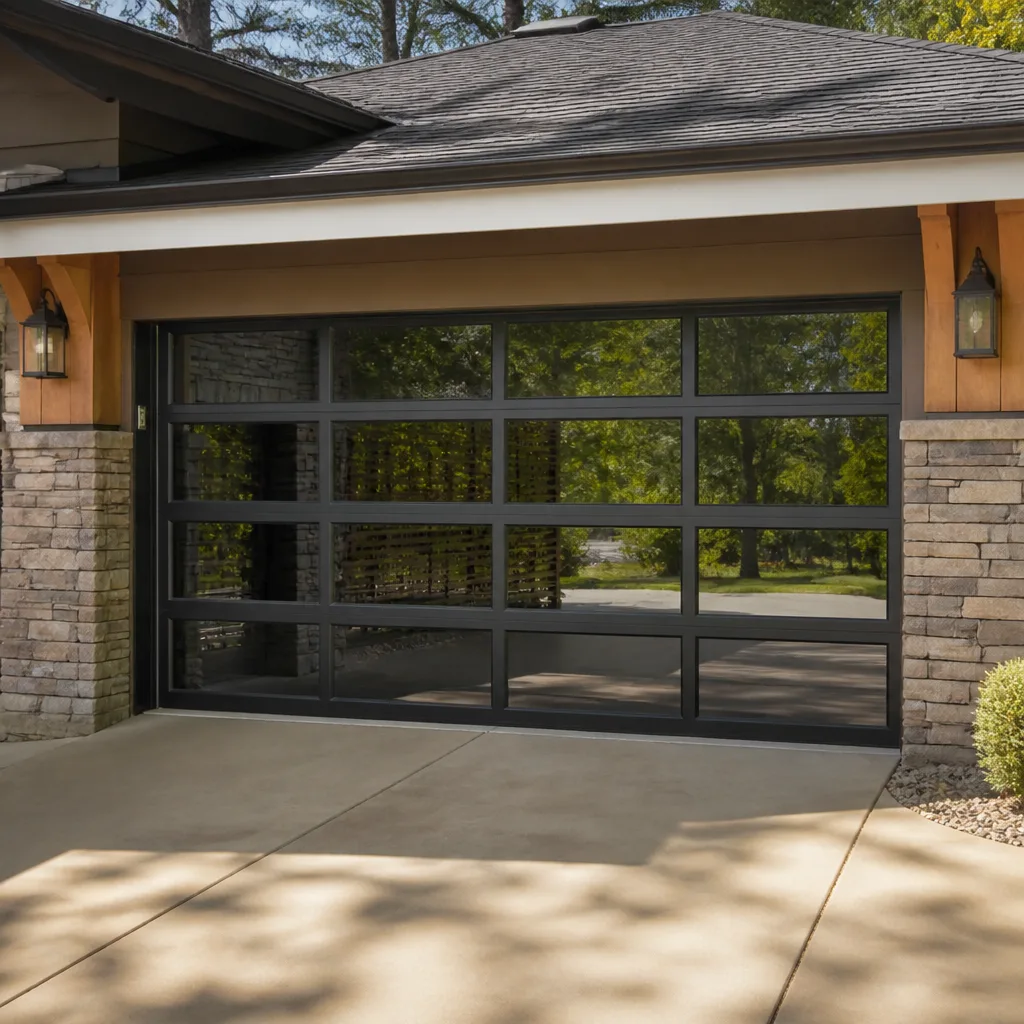 Full-view glass
 LiftMaster openers
 Chamberlain openers
Full 25-point door and opener safety check with every visit - springs, cables, rollers, tracks, and your LiftMaster or Chamberlain opener included
You get a price before we start. It does not change when the pro arrives.
Get your free estimateGarage Door Permits, Codes & Inspections in Waltham, MA: What You Need to Know
Most homeowners assume a garage door swap is like replacing a faucet: buy the door, bolt it on, done. That assumption is where the trouble starts. In Waltham, a like-for-like door replacement is usually straightforward, but change the size, the framing, the opener wiring, or the fire separation between an attached garage and the house, and you’ve crossed into permit territory. Skip that step and the problem can sit quietly for years until a title search or an insurance adjuster finds it. This guide walks through the Massachusetts State Building Code 780 CMR threshold, what the Waltham Building Department expects on a submission, wind load and energy code requirements, and how to fix a permit problem that already exists.
Quick Answer
A garage door replacement in Waltham generally needs a building permit when it involves structural changes, a different door size or opening, new framing or headers, or alterations to the fire separation of an attached garage. A straight like-for-like swap of the same size door in the same opening often does not. Because local interpretation varies, the reliable move is always to confirm with the Waltham Building Department before work begins. When in doubt, pull the permit.
Styles & brands we work with
- Raised-panel steel
- Carriage house
- Modern flush
- Full-view glass
- LiftMaster openers
- Chamberlain openers
Table of Contents
- When Does a Garage Door Replacement Need a Permit in Waltham?
- What the Waltham Building Department Wants in a Submission
- Wind Load and Energy Code Requirements for New Doors
- Fire Separation Rules for Attached Garages in Waltham
- What an Inspector Looks For During a Garage Door Inspection
- How Unpermitted Garage Work Shows Up on a Title Search
- Already Have an Unpermitted Door? Here’s the Remediation Path
- How to Choose a Garage Door Contractor Who Handles Permits Right
When Does a Garage Door Replacement Need a Permit in Waltham?
Massachusetts regulates construction through the State Building Code, 780 CMR. The code draws a line between ordinary repair and replacement that changes the building’s structure, envelope, or life-safety features. A garage door sits right on that line, and which side you land on depends on what actually changes.
The distinction that matters most is “like-for-like” versus “alteration.” A like-for-like replacement means the new door is the same nominal size and type, goes into the same opening, uses the same track and mounting points, and doesn’t touch the framing or header. That’s typically treated as a repair or maintenance item and commonly proceeds without a permit. An alteration is anything that changes dimensions, structural members, or the door’s rated performance. That’s where the permit requirement kicks in.
Here’s the practical checklist for Waltham homeowners. You likely need a permit if:
- The new door is a different size, and the opening, header, or jambs need modification.
- You’re adding a door to a garage that didn’t have one, or converting a wall opening into a garage door opening.
- The framing, header beam, or structural support is being replaced or altered.
- The new door changes the fire separation between an attached garage and the living space.
- You’re installing a door with a different wind-load rating that requires upgraded reinforcement or anchorage.
- The work involves new electrical for an opener where none existed before.
A straight swap of the same size door with a new one of the same type, using existing mounting, is the case most often handled without a permit. If your door is failing and you’re unsure which category you fall into, it’s worth a call. Diagnosing whether your job is a simple replacement or a structural change is part of what we do on a garage door repair visit, and we’ll tell you plainly when the scope requires a permit. Our technicians have up to 10 years of experience reading these situations.
What the Waltham Building Department Wants in a Submission
The Waltham Building Department reviews permit applications against the State Building Code, and garage door submissions follow the same general path as any residential alteration. The exact fee schedule and turnaround change from year to year, so always confirm current requirements directly with the department rather than relying on a guide. What doesn’t change is the shape of the submission.
Expect to provide the following:
- A completed building permit application. Standard residential form, with the property owner or authorized agent as the applicant.
- Scope of work in plain language. “Remove existing 9×7 sectional door and replace with new 9×7 insulated sectional door, same opening, new track and torsion spring assembly.” Precision here saves review time.
- Product specifications. Manufacturer cut sheets for the door showing size, wind-load rating, and R-value. Brands like Clopay or Raynor publish these directly.
- A site or elevation drawing when the opening or framing is changing. A simple dimensioned sketch is often enough for a residential job.
- Contractor licensing information. The contractor pulling the permit needs to be registered appropriately in Massachusetts. Homeowner permits are possible in some cases, but the work still has to meet code.
- Fee payment. Fees are typically calculated on project valuation. Ask for the current schedule when you call the department.
Review timelines vary with department workload. A routine residential submission often moves through in a week or two, but plan for longer during busy spring and summer months when homeowners are scheduling exterior work. Build that buffer into your project schedule so you’re not stuck with a garage that’s open to the weather while you wait.
If you’re planning a full replacement, it’s fine to start the process by getting the measurement and quote in hand. A written estimate that breaks out door model, size, insulation value, and hardware gives the department exactly what it needs to review quickly.
Wind Load and Energy Code Requirements for New Doors
Massachusetts energy code has tightened over the years, and garage doors are part of the building envelope. For an attached or conditioned garage, the door needs to meet the air-sealing and insulation requirements of the code edition in force at the time of the permit. That’s one reason a cheap uninsulated door can be a false economy in Waltham, where winters are cold and the garage often shares a wall with the house.
What this means in practice:
- Insulation value matters. A new door’s R-value needs to satisfy the code requirements for the assembly. Insulated sectional doors are the standard for attached garages. Verify the R-value on the manufacturer’s specification sheet before you buy.
- Air sealing is part of the job. Weatherstripping at the bottom seal, perimeter seals at the jambs and head, and proper adjustment after installation all affect the assembly’s performance. A code-compliant door installed with sloppy sealing won’t meet the intent.
- Wind load ratings are set by design pressure. The code assigns a design wind speed for the area, and the door must be rated to match it. Most residential doors are available with a range of wind-load ratings. On a replacement of the same size, matching the existing rating is usually straightforward. If you’re changing the opening or the door type, the rating has to be calculated.
- Anchorage and reinforcement must match the rating. A door rated for a higher wind load needs the corresponding reinforcement struts and jamb anchors. An inspector will check that the hardware matches the specified rating.
Here’s a point homeowners often miss: the wind-load rating isn’t just a number on a spec sheet. It’s tied to the actual anchorage. A door with a high rating installed with undersized anchors performs worse than a lower-rated door installed correctly. That’s exactly the kind of detail an inspection catches, and it’s the reason a permit process exists. When we schedule a garage door installation, the specification sheet and the hardware come from the same door system on purpose.
Fire Separation Rules for Attached Garages in Waltham
An attached garage in a Waltham home is one of the most common layouts and, from a code standpoint, one of the most important. The state code requires a fire separation between an attached garage and the dwelling. That separation is typically a wall assembly with a rated construction and, critically, a door between garage and house that meets the required rating and self-closing or self-latching performance. The garage door itself and its opener placement are part of how that system is designed to work.
Here’s what matters during a full replacement:
- Don’t interrupt fire-rated construction. Running new wiring for an opener through a fire-rated wall or ceiling without protecting the penetration can compromise the rating. If an opener needs a new circuit, the path matters.
- The door between house and garage is separate from the garage door. Homeowners sometimes lump these together. The garage door is the vehicle access door; the interior door between the two spaces is the fire-rated one. A full replacement shouldn’t touch the interior door, but if it does, it has to be restored to code.
- Opener placement can affect the fire door’s operation. If an opener or its hardware is installed in a way that interferes with a self-closing fire door’s swing or latch, that’s a code issue the inspector will flag.
- Penetrations need fire-blocking. Any new hole for wiring, whether for a LiftMaster or Chamberlain opener, needs appropriate fire-blocking material where it passes into a rated assembly.
This is where a garage door specialist earns their keep. A generalist installing a door may not think about the fire separation at all, and the inspector will. We come out expecting to see the fire-rated wall, and we plan the wiring and mounting around it. If the job involves a house-attached garage, ask your contractor directly how they’ll handle fire separation. The answer tells you a lot about who you’re hiring.
What an Inspector Looks For During a Garage Door Inspection
When a garage door permit requires inspection, the inspector is checking the installed door against the approved plans and the code. It’s not a mystery box. Here’s what typically comes up:
- Door matches the approved specs. Make and model match the paperwork, and the size is the size on the plan.
- Wind-load rating confirmed. The reinforcement and anchors match the specified rating, and the installation is anchored per the manufacturer’s instructions.
- Insulation and air sealing. The door’s R-value meets code for the assembly, and the perimeter and bottom seals are installed and adjusted.
- Balance and operation. The door travels smoothly, stays balanced, and the springs are correct for the door’s weight. A door that’s out of balance is a red flag and an inspection fail.
- Safety features on the opener. Photo-eye reversal, force limits, and proper mounting. If the opener is part of the scope, the inspector wants to see the safety features functioning.
- Structural work. If framing or a header was changed, the inspector checks dimensions, header sizing, and fasteners against the plan.
- Fire separation intact. If the assembly was disturbed, the fire-rated construction must be restored.
One thing inspectors hate: a door that opens but is unbalanced, with a spring that’s the wrong size. It’s one of the most common reasons a final inspection fails, and it’s completely avoidable. A proper spring installation is a weighted calculation, not a guess. Technicians who handle garage door spring repair should be measuring the door’s weight and selecting the torsion or extension springs to match, not reusing whatever was on the old door. Springs are under extreme tension, and this is a job for a trained technician regardless of the inspection schedule.
How Unpermitted Garage Work Shows Up on a Title Search
Here’s the part most guides skip. When a home in Waltham goes on the market, the buyer’s attorney runs a title search, and that search pulls the municipal building permit records. The title search looks for open permits, expired permits, and alterations that were made without a permit. A garage door installed without a permit can surface as a discrepancy between what’s on record and what’s in the photos or on the inspection report.
What actually happens when it surfaces:
- The buyer’s attorney asks for documentation. The sale can slow down while you prove the work was permitted or demonstrate that no permit was required.
- Your insurance company may care too. If a claim arises from garage door work, an adjuster can ask whether the installation was permitted and inspected. A missing permit doesn’t automatically void a claim, but it complicates the conversation, and the burden of proof shifts to the homeowner.
- Your contractor records matter. If a licensed contractor pulled the permit, the record is on file at the building department. That piece of paper is the good ending. If no permit exists, you’re having the conversation instead of just handing over the file.
For most garage door replacements, this isn’t a problem. Like-for-like swaps rarely trigger these questions. But when structural work was done, the absence of a record is the kind of thing that can turn a smooth closing into a delayed one. The fix before listing is straightforward: confirm with the Waltham Building Department what, if anything, is on file for the property, and address anything missing before a buyer’s attorney finds it. It’s also worth reviewing the scope of any Waltham Garage Door Repair Pros work the property has had, so the paperwork matches the work. Transparent records are a quiet advantage at closing and often at claim time.
Already Have an Unpermitted Door? Here’s the Remediation Path
If you’re reading this after the fact, you’re not stuck. Massachusetts has a process for legalizing work that was done without a permit, and it’s more common than homeowners expect. The general path looks like this:
- Call the Waltham Building Department and ask what’s on file. Confirm whether a permit exists for the property and what the scope was. You might find a permit was pulled after all, or that the work never required one.
- Request an as-built inspection. Many departments allow an inspection of existing work to confirm it meets current code. If it doesn’t, they’ll tell you what corrections are required.
- Get any corrections documented. If something like fire separation or anchorage needs fixing, a written scope from a licensed contractor helps the department review the remedy.
- Apply for a permit as needed for the corrections. This sometimes comes as a new permit covering the corrective work, which is then inspected like any other job.
- Get the final inspection signed off. Once the department signs it, you have documentation for your records, your insurer, and a future buyer.
The actual process and any fees are set by the department, so call and ask. The key point is that unpermitted work is a documented problem, and documentation is what resolves it. Selling a home is easier when the permit history is clean, and it’s easier to start that conversation early than during a closing deadline.
How to Choose a Garage Door Contractor Who Handles Permits Right
The contractor question is where a lot of permit headaches are created or avoided. A garage door replacement that crosses into permit territory needs a contractor who knows the difference and says so before the work starts. Look for a few specific things.
- They ask about structural scope up front. “Is the opening the same size? Any framing changes?” Those questions tell you they’re thinking about code, not just the sale.
- They offer a written estimate with the door specs. Model, size, R-value, and wind-load rating belong in the estimate. That same document supports a permit submission.
- They distinguish repair from replacement clearly. A contractor who treats every job the same is a contractor who might skip the permit question entirely.
- They know the fire separation issue. If they’re replacing a door on an attached garage, ask about fire separation. A straight answer is a good sign.
- They can service the brand you already own. We work on Raynor, LiftMaster, Chamberlain, Genie, Clopay, Amarr, Wayne Dalton, and Craftsman systems. That range matters when the door or opener is part of a permit review and you need the specs.
- They’re honest about when a permit isn’t required. A contractor who tells you a simple swap doesn’t need a permit, and explains why, is giving you the most useful answer you’ll get.
We’re a garage door specialist. Not a general handyman, not a side service of a broader remodeling business. If the door or opener needs attention, whether it’s a garage door opener repair or a full replacement, the diagnosis happens in one visit. If the scope crosses into permit territory, we’ll tell you and we’ll help you understand what the submission needs. Spring replacements and opener jobs run to the same standard.
Common Mistakes to Avoid
- Assuming every door replacement needs a permit. It doesn’t. A like-for-like swap usually doesn’t require one, and paying for a permit you don’t need wastes time and money. Ask the department, not a guess from a forum thread.
- Assuming a permit is never needed because “it’s just a door.” The opposite mistake is just as common. Changing the opening, framing, or fire separation absolutely needs a permit, and inspectors catch it. The cost of a permit is small next to the cost of remediation.
- Buying a door off the shelf without checking R-value and wind-load rating. The retail door might not meet Massachusetts energy code for an attached garage, or might not carry the rating required for your design wind pressure. Verify the specs before purchase, not after.
- Letting an opener install disturb the fire-rated wall. Running a new wire through the fire-rated assembly without fire-blocking is a code issue. It’s easy to miss and an inspector will catch it.
- Skipping the balance check on a new door. A door that’s unbalanced or has a mismatched spring is a frequent inspection failure. Springs are under extreme tension, and this is a job for a trained technician. It’s also the most common reason a final inspection fails.
- Not keeping the paperwork. The permit, the inspection sign-off, and the contractor’s estimate are the documents that matter at closing. Keep them with your home records.
- Ignoring an unpermitted installation until closing. If you suspect an older garage door was installed without a permit, deal with it well before listing. A title search will surface it, and a relaxed fix is better than a deadline fix.
See the difference
 Before
 After
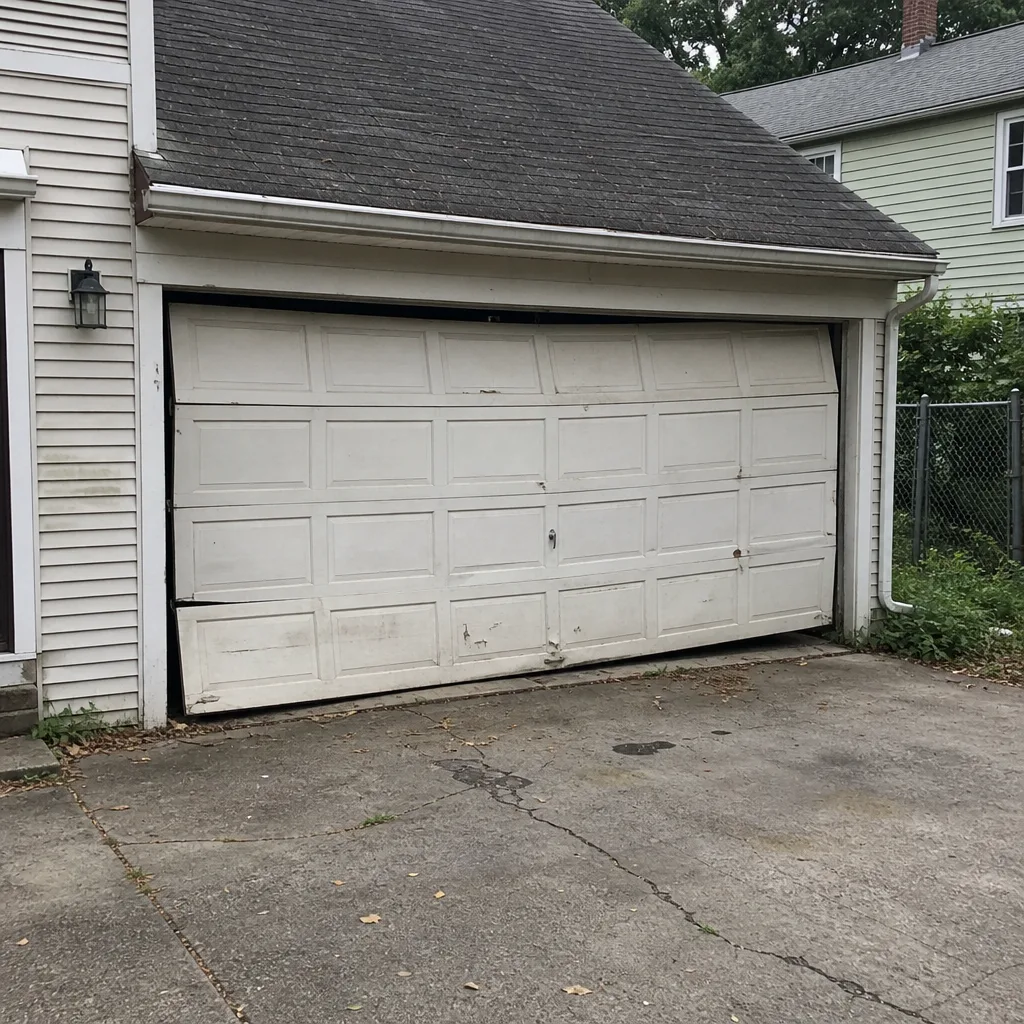 Before
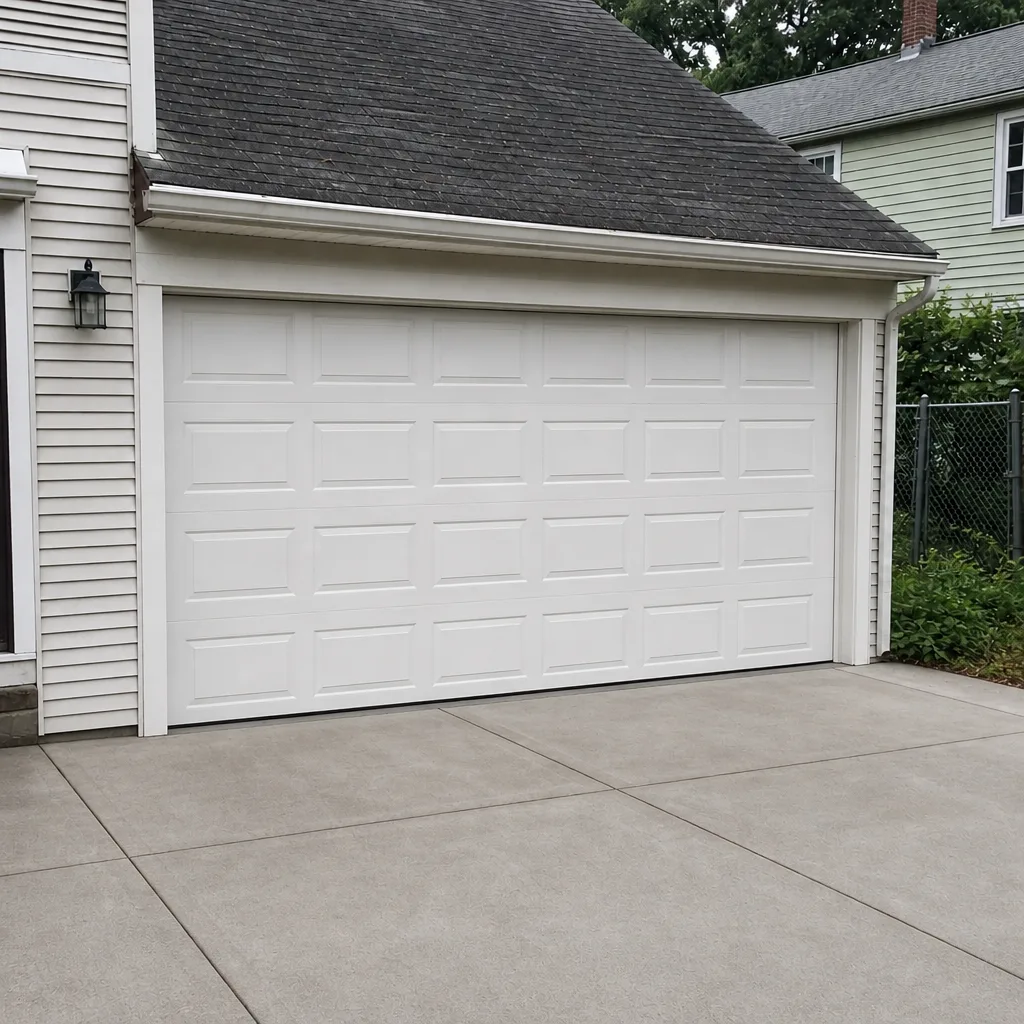 After
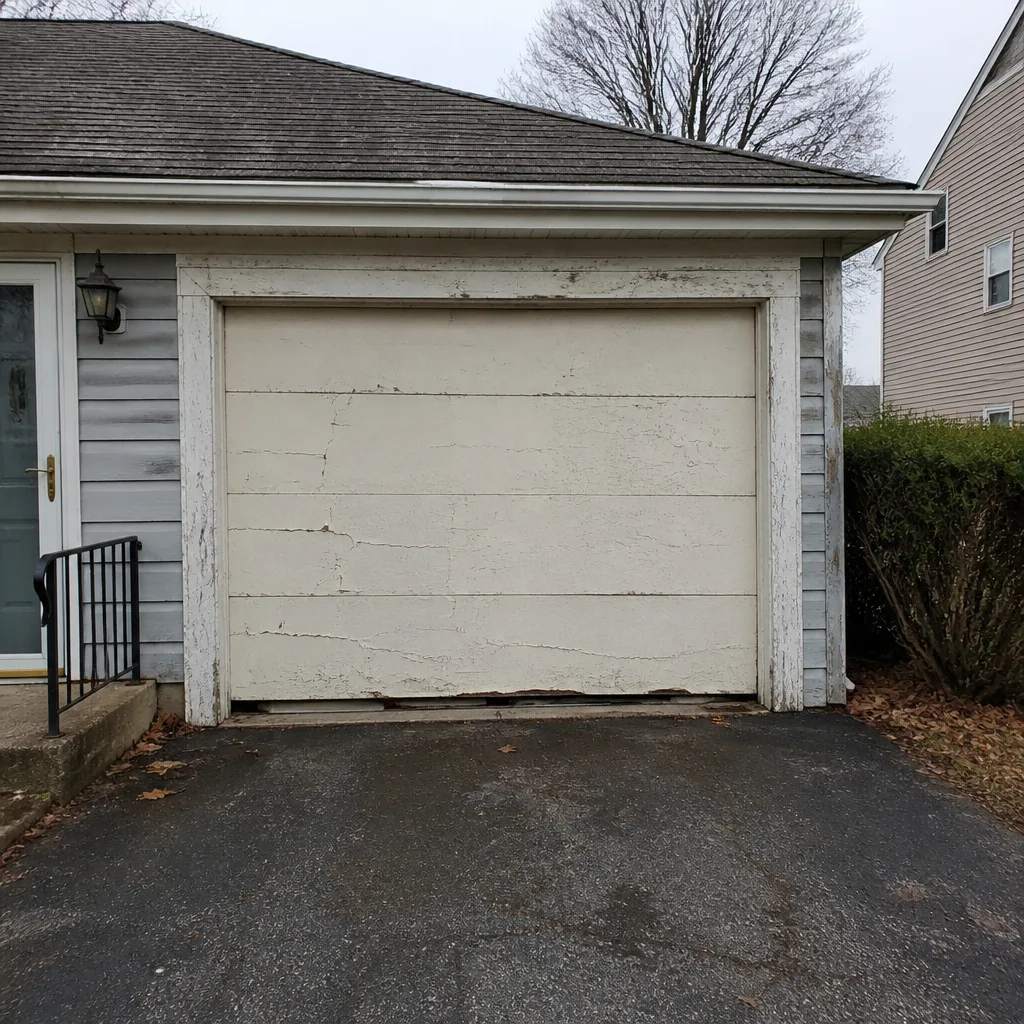 Before
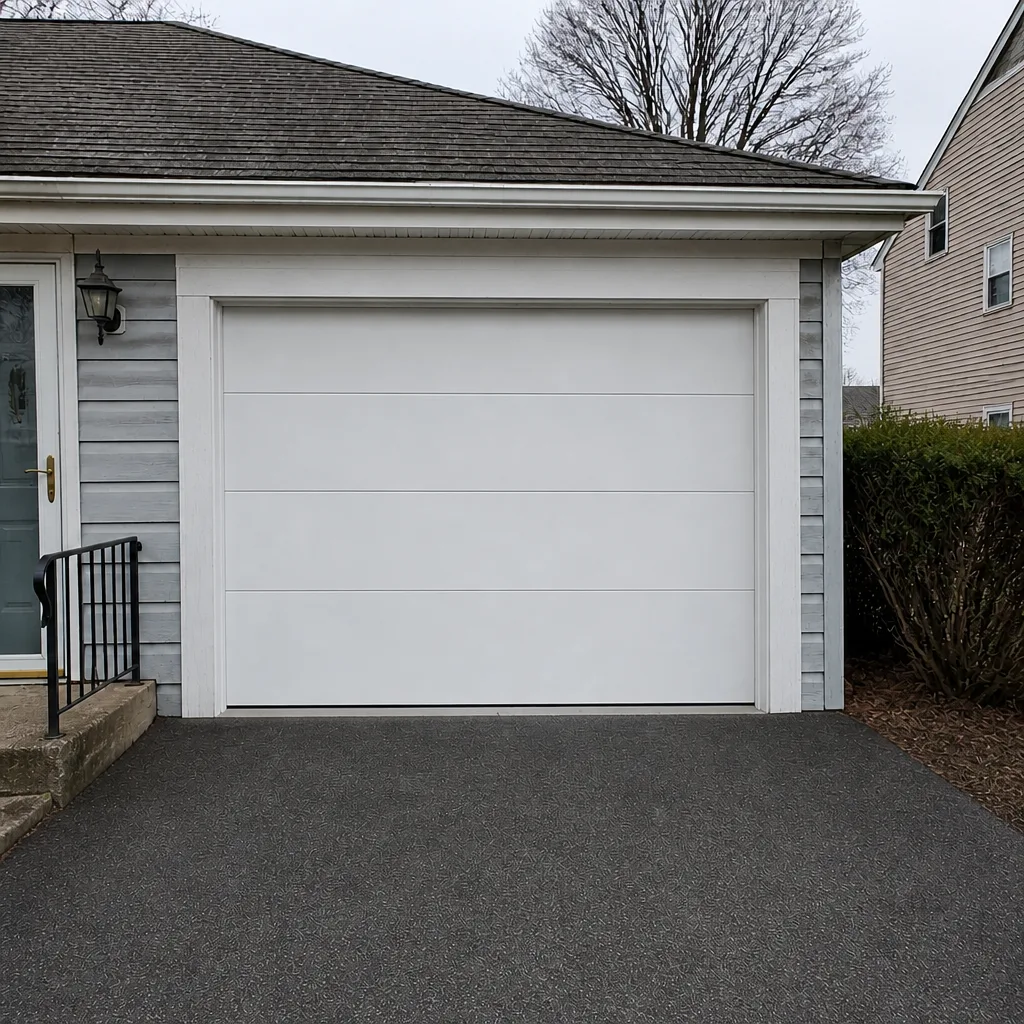 After
When to Call a Professional
Some garage door jobs are safe to inspect yourself. A broken spring, a door that’s out of balance, an opener that won’t reverse, or a door that won’t close all point to a professional visit. Permits and code questions are also worth a call, because the answer depends on details a homeowner can’t always see. If you’re planning a full replacement and want to know whether a permit applies, or you need the specs and estimate for a submission, we can help. Waltham Garage Door Repair Pros offers free estimates in Waltham – call (855) 658-4223. We can walk you through the like-for-like versus alteration distinction, put a written estimate together with the specs the department needs, and schedule the work on your terms. Our technicians have up to 10 years of experience, and emergency garage door service is available when a door failure can’t wait. We’re closed on Saturdays, but we can book you for early mornings or Sundays.
Frequently Asked Questions
It depends on scope. A like-for-like replacement of the same size door in the same opening often doesn’t need a building permit. If the work involves a different door size, new framing or header, or changes to fire separation, it does. Confirm with the Waltham Building Department before work starts. Call (855) 658-4223 for a free estimate and we’ll help you sort out which side of that line your job falls on.
Permit fees are set by the municipality and calculated on project valuation, so the exact number depends on your job. Call the Waltham Building Department for the current fee schedule. The permit itself is usually a small fraction of the door cost, and the expense it avoids at closing or claim time is worth far more. Estimates for the door and installation are free at (855) 658-4223.
Massachusetts has a process for legalizing unpermitted work, and it starts with calling the Waltham Building Department to ask what’s on file. In many cases you can request an inspection of the existing work and correct anything the department flags. Documentation is the fix, and it’s easier to address before a title search forces the issue. Call (855) 658-4223 if you want a written scope for any corrections.
Yes, when a permit is involved. Massachusetts sets a design wind speed for the area, and the door must be rated to match it, with the accompanying reinforcement and anchors installed. If you’re replacing a door with the same size and rating, matching the existing specification is usually straightforward. If you’re changing the opening, the rating has to be calculated. Our technicians can confirm the rating on the door before you order it.
The contractor pulling a garage door permit needs to be appropriately registered in Massachusetts, and the licensed professional we connect you with is licensed and insured as the state requires. Ask for their registration information before work begins; a straightforward answer is a good sign. For estimates and installation questions, call (855) 658-4223.
The photo-eye reversal system, the force limits, and the mounting are the main items. A properly installed opener reverses when the safety eye is obstructed and reverses within the force limits in the closing direction. If the opener is part of a permitted job, the inspector will check those functions directly. Our garage door opener repair visits include a safety check as part of the work.
The Bottom Line
The permit question for a Waltham garage door comes down to scope. Like-for-like replacement almost never needs one; anything that changes the opening, framing, fire separation, or rated performance almost always does. Verify with the Waltham Building Department, get a written estimate that includes door specs, and keep your paperwork. If you already have an unpermitted installation, the path forward is a call to the department and a documented correction. Either way, the cost and delay of doing it right is small next to the closing and claim headaches of doing it wrong. Call (855) 658-4223 for a free estimate; we’ll help you figure out exactly where your job stands.
Written by the team at Waltham Garage Door Repair Pros.