Last updated November 22, 2026
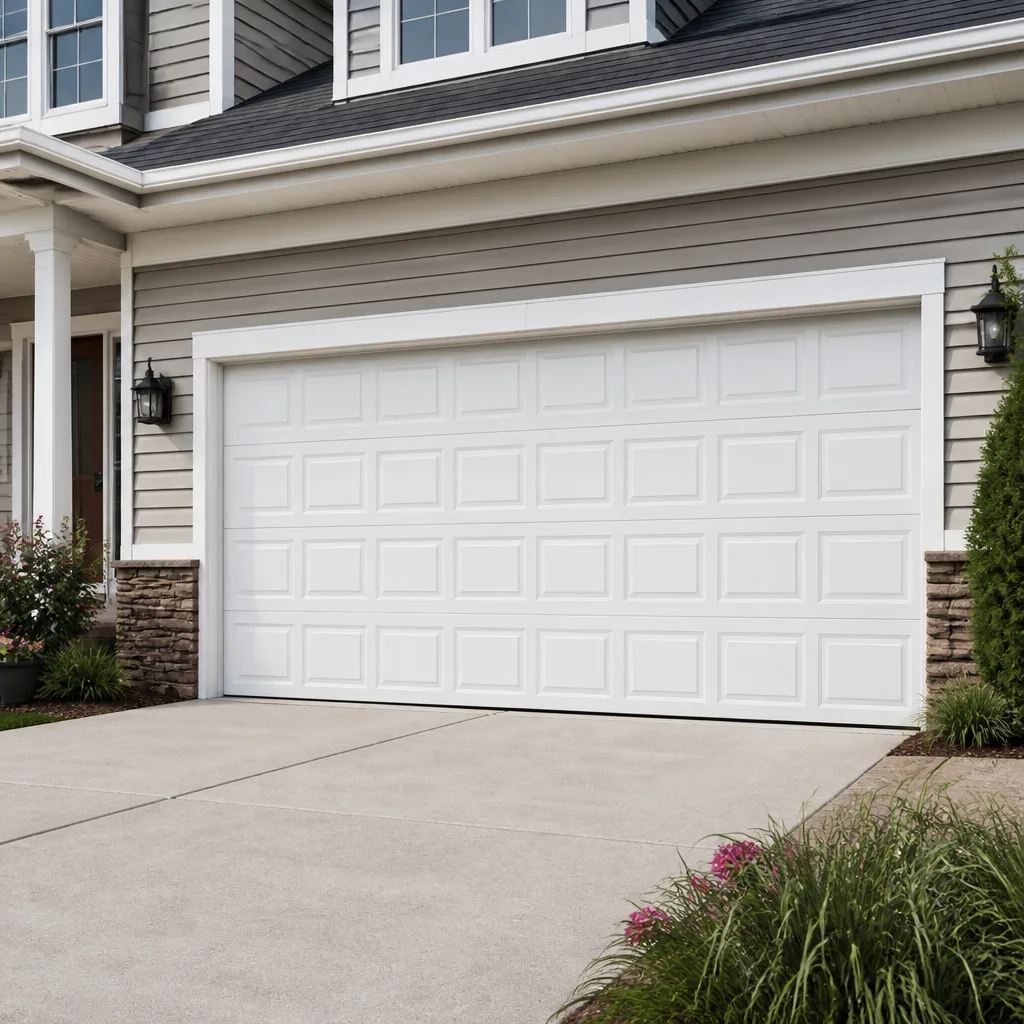 Raised-panel steel
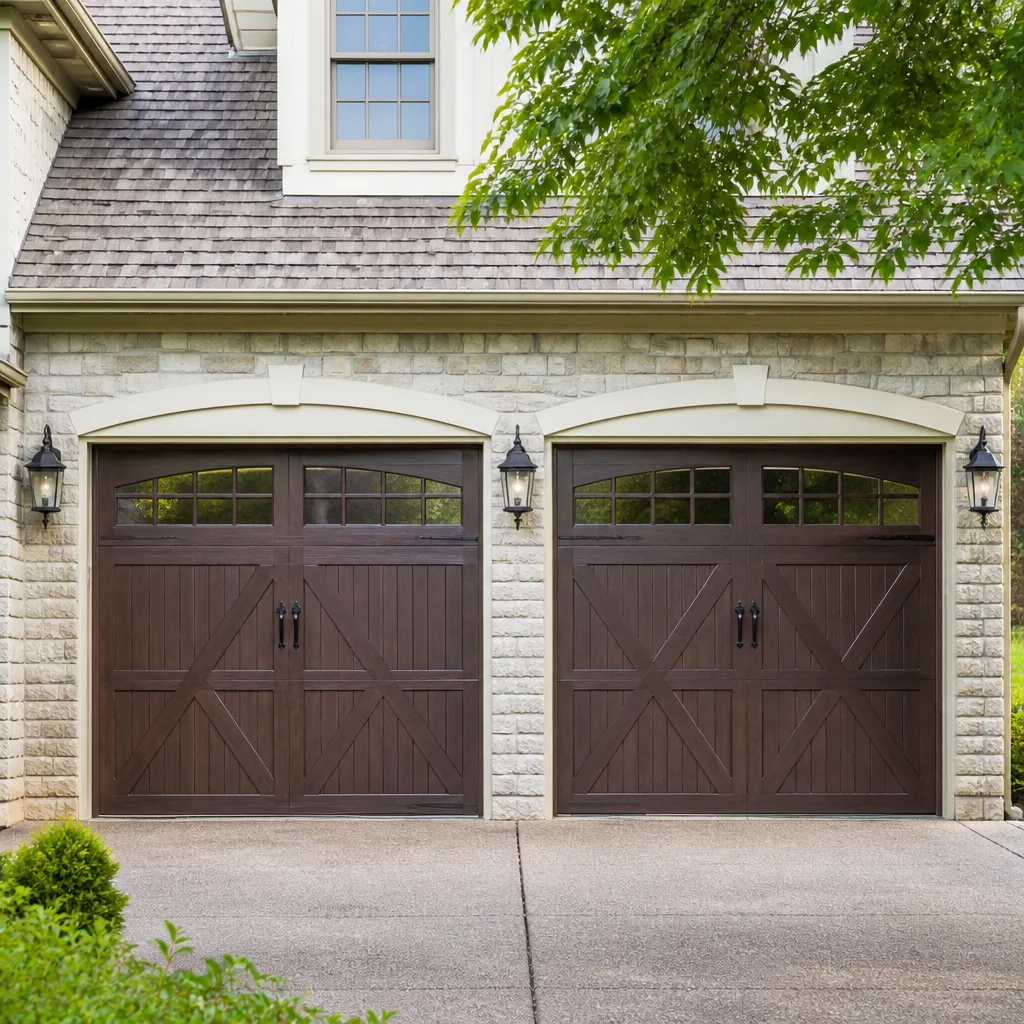 Carriage house
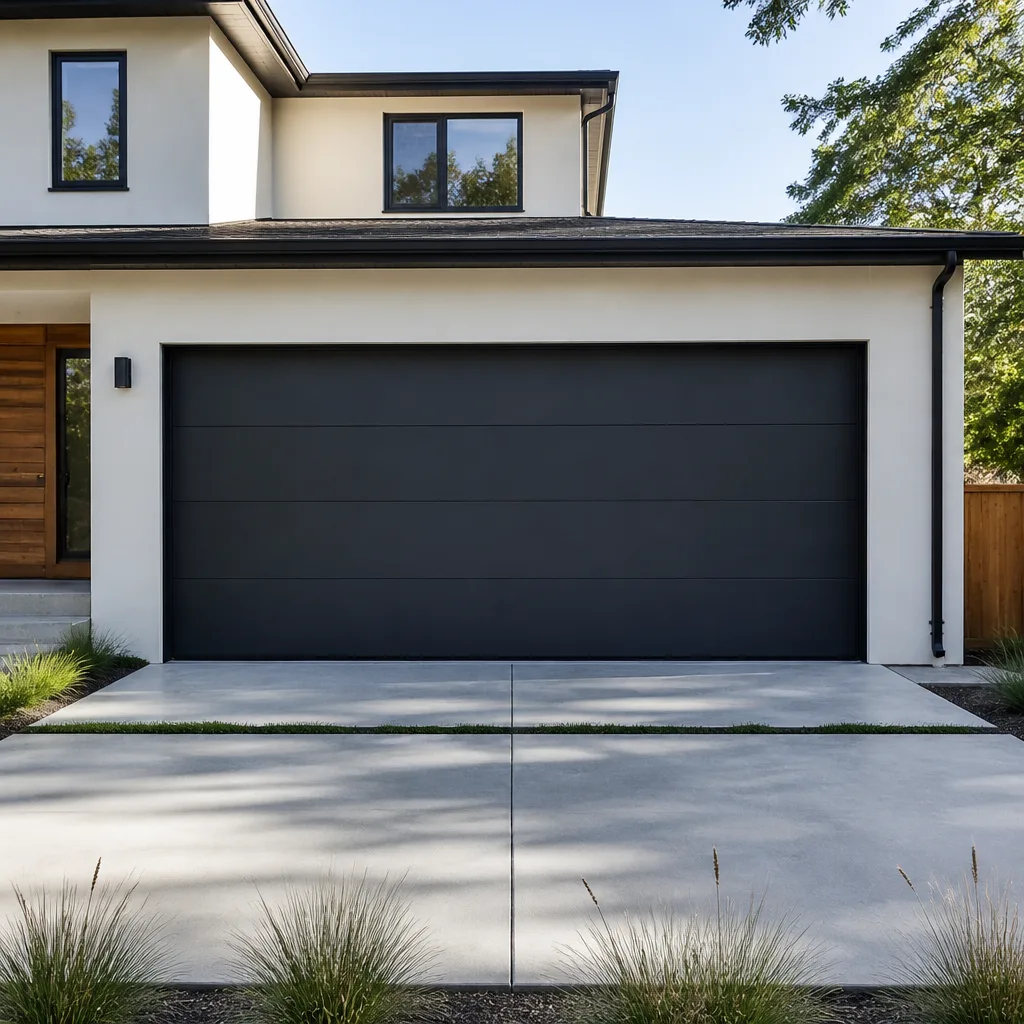 Modern flush
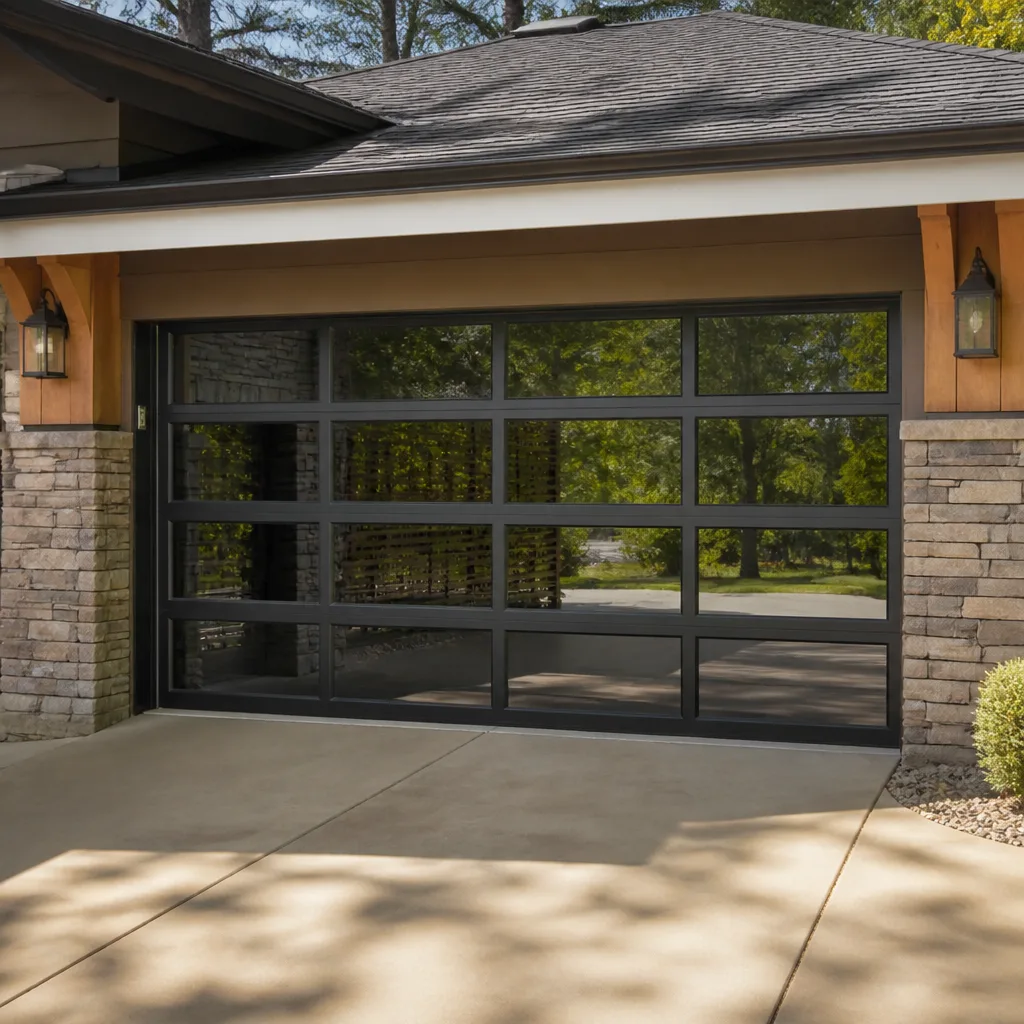 Full-view glass
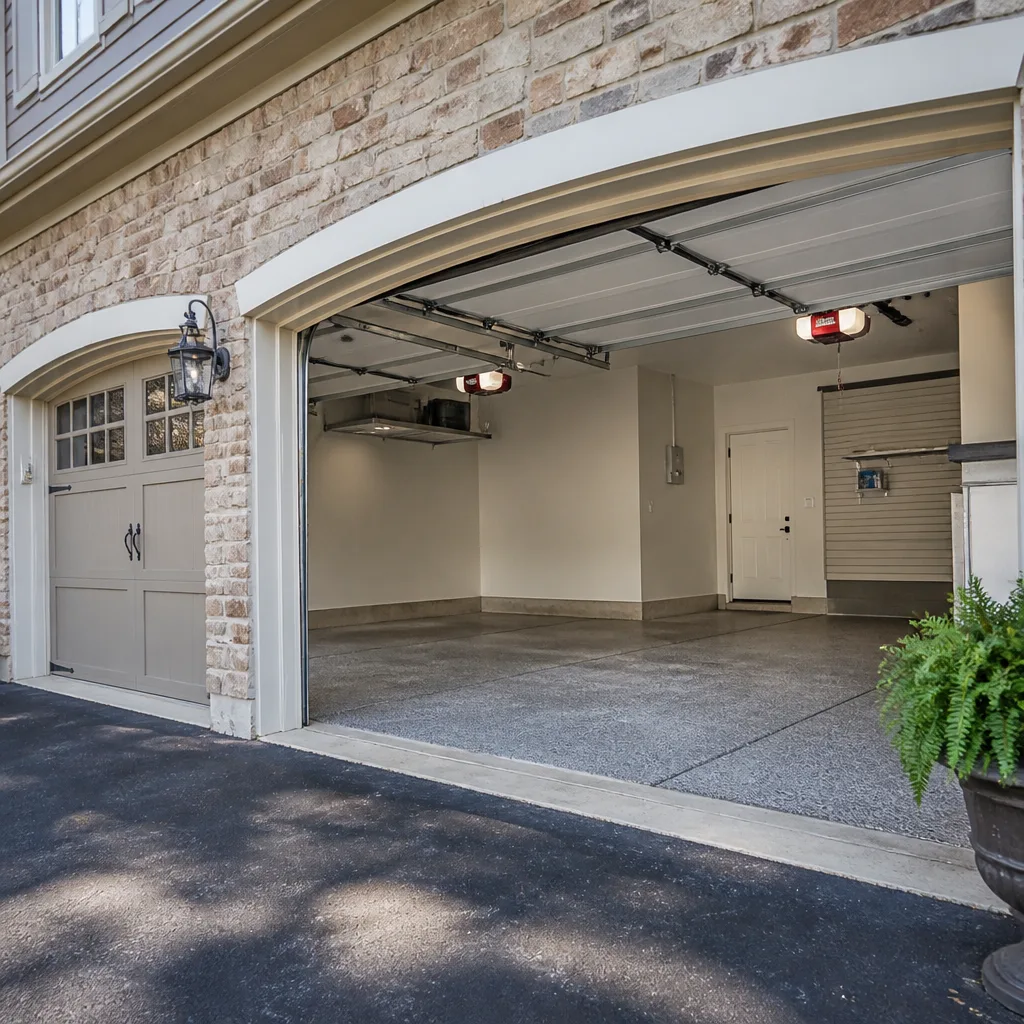 LiftMaster openers
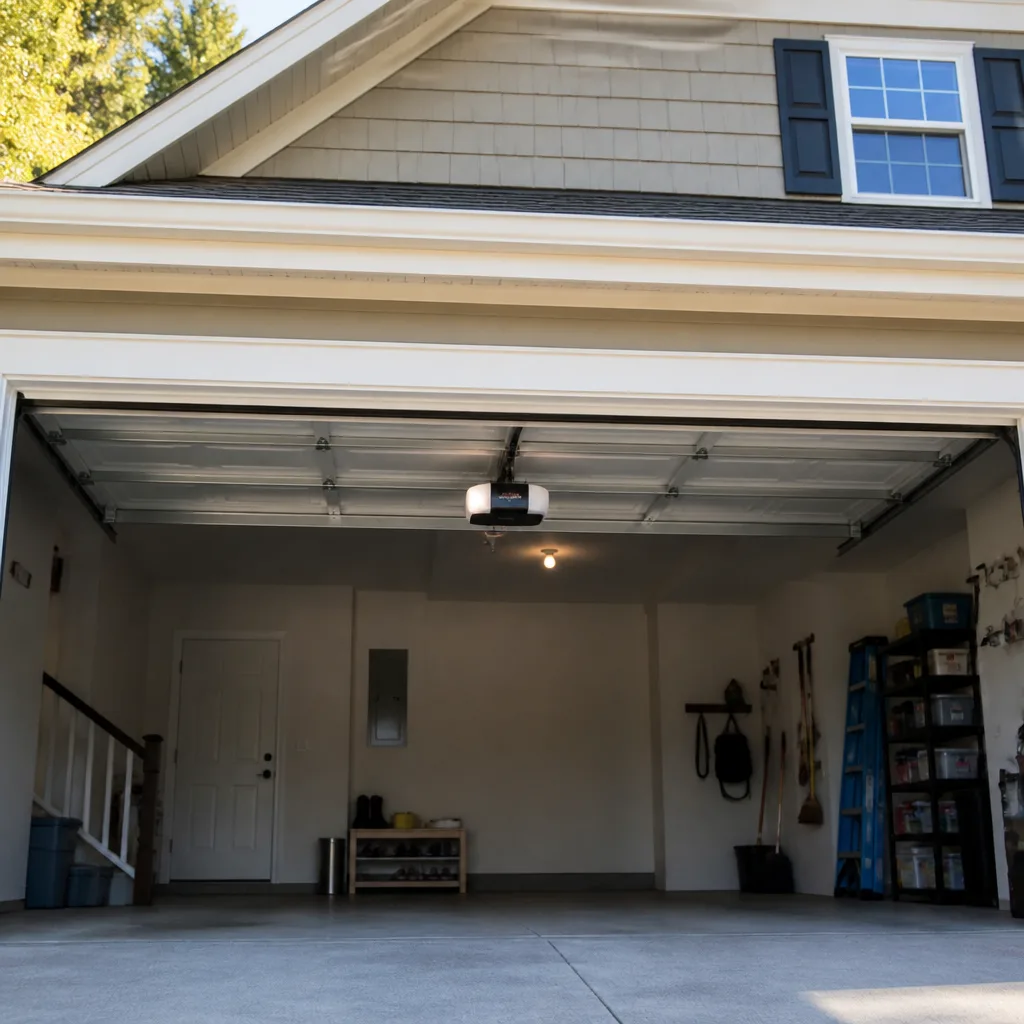 Chamberlain openers
Full 25-point door and opener safety check with every visit - springs, cables, rollers, tracks, and your LiftMaster or Chamberlain opener included
You get a price before we start. It does not change when the pro arrives.
Get your free estimateThe Complete Guide to Garage Doors in Waltham
Most Waltham homeowners expect a garage door to last 15 to 20 years. Make the wrong call on spring type or panel material for local conditions, though, and that replacement comes in year 8. The gap isn’t bad luck. It’s the difference between a door spec’d for a mild climate and one built for a freeze-thaw cycle, road salt, and a housing stock that runs from colonial-era capes to new construction off the Watch City corridors. This guide maps every major garage door decision to the conditions you actually face in Waltham: which springs hold up, which materials survive the winters, what local overlay rules restrict, and how to measure an opening before you order a door that won’t fit.
Quick Answer
Garage doors in Waltham last longest when the springs, panels, and opener are matched to a cold climate with a hard freeze-thaw cycle. That usually means torsion springs over extension springs, insulated steel or composite panels over uninsulated wood, and an opener rated for the door’s real weight. Before you buy, check HOA and historic district rules, confirm your opening width against your property survey, and have the door measured by a specialist. Repairs and spring work should always go to a trained technician because springs are under extreme tension.
Styles & brands we work with
- Raised-panel steel
- Carriage house
- Modern flush
- Full-view glass
- LiftMaster openers
- Chamberlain openers
Table of Contents
- How Waltham’s Freeze-Thaw Cycle Affects Your Springs
- Which Door Materials Hold Up in Waltham Winters
- HOA and Historic District Rules in Waltham
- Opener Compatibility When You Upgrade
- Reading Your Property Survey Before You Order
- Repair or Replace? Deciding in Waltham
- A Simple Maintenance Routine for Waltham Doors
- What Garage Door Work Costs in Waltham
How Waltham’s Freeze-Thaw Cycle Affects Your Springs
Waltham’s winters average more than 70 frost days, and each freeze-thaw cycle works on your garage door hardware the same way it works on a driveway. Water gets into small gaps, freezes, expands, and thaws. On a garage door, the hardware that suffers most is the spring system, and the two types age very differently in this climate.
Torsion springs sit above the door on a shaft and twist as the door travels. Extension springs stretch along the horizontal tracks on either side. In a cold climate, torsion springs are the more durable choice, and here’s why the frost cycle matters:
- Torsion springs are enclosed and don’t stretch into open air, so moisture and road grit reach them less.
- Extension springs stretch and contract thousands of times in open tracks where salt spray and slush collect.
- Chilled steel is more brittle, and a spring that’s already weakened by corrosion is more likely to snap on the first hard cold snap of the season.
- Extension springs need safety cables because a broken spring can whip across the garage. Torsion springs fail along the shaft instead, which is contained.
If your Waltham home still runs extension springs, that’s not automatically a problem, but it’s worth planning for. Many homeowners convert to torsion when the extension springs finally fail. When they do fail, it’s a job for a trained technician, not a weekend project. Springs are under extreme tension, and manufacturers and industry groups explicitly warn against DIY attempts. Our garage door spring repair team handles this as a core specialty rather than an afterthought.
How to Tell Your Springs Are Near the End
Springs rarely give a clean warning, but a few signs show up before failure. A door that feels suddenly heavier when you lift it by hand (with the opener disconnected) is telling you the springs have lost tension. Uneven travel, a door that opens a few inches and stops, or a loud bang from the garage are all signals to stop using the door and get it looked at. In a Waltham winter, don’t wait on those signs; a snapped spring in January means a door you can’t open until it’s fixed.
Which Door Materials Hold Up in Waltham Winters
The Route 128 corridor brings a specific combination that wears on garage doors: road salt spray thrown up from the highway and plowed streets, plus winter humidity that sits against metal and wood for months. Not every material handles that mix equally. Here’s how the common options hold up in Waltham.
- Insulated steel: The most common choice for Waltham homes, and for good reason. Steel panels resist moisture well, and the insulation keeps an attached garage warmer, which matters when the garage shares a wall with the house. The weak point is the bottom edge, where salt spray collects; a good bottom seal and a rinse in spring go a long way.
- Composite and fiberglass: These resist salt and moisture better than steel at the surface and won’t rust. They tend to cost more and can fade in strong sun, but for a door facing the weather, they’re a solid long-term pick.
- Wood: Beautiful on a colonial-era cape, and the right look for many older Waltham homes. But wood needs repainting or restaining every few years in this climate, and if moisture gets behind the finish, it swells and rots. Only choose wood if you’re willing to keep up with it.
- Aluminum: Light and rust-resistant, which sounds ideal, but it dents easily and insulates poorly. Fine for a detached, unheated garage; less ideal for an attached one.
The other climate factor is weight. A heavier insulated door needs heavier springs and a stronger opener, and if someone swapped in a light door without changing the springs, the whole system runs out of balance. When we look at a door, we check whether the springs and opener actually match the door that’s hanging there. That mismatch is one of the most common things we find. Our garage door repair service starts with that diagnosis so the fix addresses the real cause, not just the symptom.
HOA and Historic District Rules in Waltham
Before you order a door, find out what your neighborhood allows. Waltham has both newer developments with homeowner association rules and older areas where historic district overlay rules can restrict door style, color, and even panel design. Ordering first and asking later is how homeowners end up paying for a door twice.
Here’s the sequence that saves money:
- Check your HOA documents or deed restrictions. Many newer Waltham developments specify approved door colors, panel styles, and window options. Some require approval before installation.
- Ask whether your property sits in a historic district overlay. The city’s building department can confirm this. If it does, exterior changes like a new garage door may need review.
- Get the requirement in writing. A verbal “that should be fine” from an HOA contact isn’t worth much when the compliance letter arrives.
- Confirm permit requirements with the city. Most cities require a permit for structural changes; for a straight door swap, ask the building department directly rather than guessing.
This matters more in Waltham than in many towns because the housing stock spans so many eras. A colonial-era cape in an older neighborhood and a new-construction home off the Watch City corridors can sit a mile apart and follow completely different rules. A door style that’s perfect for one may be disallowed at the other. Checking first takes an afternoon; getting it wrong takes a season and a second door.
Opener Compatibility When You Upgrade
Waltham homeowners upgrading an older opener run into compatibility issues more often than you’d expect, and most of them trace back to one thing: the wall button and safety sensors. Older Genie and Chamberlain units often use proprietary wiring and sensor designs. Swap in a new opener and keep the old wall button and sensors, and the new unit may refuse to operate, or it may run but ignore the safety reverse.
We work on virtually every major door and opener system on the market, including LiftMaster, Chamberlain, Genie, Clopay, Amarr, Wayne Dalton, Craftsman, and Raynor, so we see the upgrade problems firsthand. A few things to know before you buy:
- Match the opener to the door weight. An insulated steel door in Waltham weighs more than the light door an older opener was sized for. An underpowered opener strains and fails early.
- Replace the safety sensors with the opener. They’re paired to the unit for a reason, and reusing old sensors is a common cause of “door won’t close” calls.
- Check the wall button wiring. If your garage was wired for an older proprietary system, the new opener may need new wire or a wireless wall button.
- Confirm the door has a working safety reverse before you rely on it. Every opener since the early 1990s has been required to have one; make sure yours actually reverses when it meets an obstruction.
When an opener is failing, the fix isn’t always a full replacement. Motor, logic board, and safety sensor problems are often repairable on their own, and that’s where our garage door opener repair work starts: diagnose the actual fault before recommending a new unit. Most failing openers get diagnosed and fixed in a single visit.
Reading Your Property Survey Before You Order
Waltham’s older neighborhoods have garages that were often built to fit whatever space was available, which means standard door widths don’t always apply. Order a standard-width door for a non-standard opening and you’ll be returning it. Before you order, check the actual opening size against your property survey and take real measurements.
Here’s how to confirm the size before you commit:
- Find your property survey. It shows the garage footprint and, in many cases, the dimensions of the structure. It tells you the space your garage actually occupies, which matters if the opening is set into a tight lot line.
- Measure the opening three ways. Measure the width between the inside of the vertical tracks at the top, the middle, and the bottom. Measure the height at the left, center, and right. Use the smallest number; that’s your real opening.
- Measure the headroom. That’s the space above the door to the ceiling. Torsion springs and low-headroom setups use different hardware, and a door that’s too tall for the available headroom won’t open.
- Note the sideroom. That’s the space between the door edge and the side wall. Too little sideroom rules out some track and spring configurations.
- Compare against the survey, then order. If the opening on the survey doesn’t match a standard size, you need a made-to-measure door, and that changes the lead time.
The one thing we tell every Waltham homeowner here: don’t let anyone order a door before the opening is measured in person. Online calculators and a tape measure across the trim won’t catch a tapered opening or an out-of-square frame, and those are exactly the situations that turn a standard order into an expensive return. A free measure and a written price before any order is standard practice for us.
Repair or Replace? Deciding in Waltham
Not every problem needs a new door, and replacing one that could have been repaired is the most expensive mistake in this guide. The question comes down to what’s actually failing. A broken spring, a bad opener, or a frayed cable is a repair, full stop. A door that’s dented, rotted, or out of balance structurally may be worth replacing.
Here’s a simple decision framework:
- Repair the hardware if the door panels are sound. Springs, cables, rollers, hinges, and openers all wear out on their own schedule. A door with good panels and worn hardware is a repair job.
- Consider replacement if the panels are failing. Rust through the bottom section, rot in wood, or a door that’s visibly sagging points to a door that’s reached the end of its life.
- Weigh the age and the signs. If the door has been through many Waltham winters and you’re repairing it more than once a year, a replacement is likely the better long-term spend.
- Check whether a repair is just masking a bigger problem. A door that keeps going out of balance after a repair usually has a track or spring problem nobody caught the first time.
When a door really is beyond saving, our full-service scope covers new installation, so you don’t have to hire a second contractor to finish the job. That’s the advantage of a business that does 100% garage doors rather than treating them as a side service. If you’re weighing it, a free estimate gets you a written price either way, and you can decide with the numbers in front of you instead of guessing.
A Simple Maintenance Routine for Waltham Doors
A little maintenance in spring and fall keeps a Waltham door running through the winters and catches small problems before they become failed springs. You don’t need to touch the springs themselves. Focus on the parts that are safe and simple to check.
- Lubricate the moving parts. Rollers, hinges, and the spring shaft (not the spring coils) get a garage-door lubricant twice a year. Skip WD-40; it attracts dirt.
- Check the bottom seal. The bottom seal is your first line of defense against salt spray and water reaching the door’s edge. Replace it if it’s cracked or torn.
- Test the safety reverse. Lay a roll of paper towels or a piece of wood in the door’s path and close it. The door should reverse when it meets the obstruction.
- Balance-test the door by hand. With the opener disconnected, lift the door halfway. It should stay put on its own. If it drifts down, the springs are losing tension.
- Look at the cables and tracks. Frayed cables or bent tracks are a stop signal. Don’t force the door; call a technician.
- Rinse the bottom of the door in spring. A hose-down clears salt and grit that collected over the winter before it works into the metal.
What you shouldn’t do: tighten or adjust springs yourself. That’s a safety-critical job for a trained technician. Our technicians have up to 10 years of experience, and we treat spring work as a specialty, not something to hand off to a generalist. For anything that involves the springs, the cables, or the opener’s electrical wiring, that’s the point to call in the professionals.
What Garage Door Work Costs in Waltham
Garage door pricing varies by the job, the door, and the hardware involved, so no guide can promise a single number. What we can do is tell you how pricing works and what to expect before you agree to anything. The written estimate, agreed before any work starts, is the price. We quote the job in writing first so there’s no surprise invoice after the fact.
| Job Type | How It’s Priced |
|---|---|
| Garage door repair (springs, cables, rollers, tracks) | Per job, quoted in writing before work begins |
| Spring replacement | Per spring; a matched pair is a separate line and usually done together |
| Opener repair or replacement | Per job, based on the unit and whether wiring or sensors need replacing |
| New door installation | Per door, based on the measured opening, material, and hardware; free measure first |
A few things drive the number for a Waltham home: the door’s weight and whether new springs are needed, non-standard opening sizes that require a made-to-measure door, and the type of hardware (torsion vs. extension). Emergency work is quoted the same way as a scheduled job, in writing before we start, so the urgency of the situation doesn’t change how the price is figured.
For an exact quote on your Waltham home, call us and we’ll give you a written price. Estimates are free.
Common Mistakes to Avoid
- Buying a door before checking HOA or historic district rules. In Waltham, ordering a door that isn’t allowed in your neighborhood means paying for it twice. Confirm the rules first, in writing.
- Choosing extension springs for a cold-climate door without thinking it through. They work, but in a freeze-thaw climate they need more care than torsion springs. If you’re replacing, weigh whether it’s worth converting.
- Ordering a standard-size door without measuring the opening. Older Waltham garages were built to fit their space, not a catalog. Measure three ways and check the survey first.
- Reusing old opener safety sensors and wall buttons. They’re often not compatible with a new opener, and reusing them is a common cause of doors that won’t close.
- Adjusting or replacing springs yourself. Springs are under extreme tension. This is a job for a trained technician, and the industry explicitly warns against DIY attempts.
- Skipping the bottom seal check. A torn seal lets salt spray and water into the door’s edge, which is where rust starts. Check it twice a year.
- Hiring a generalist for a specialist job. A handyman can hang a shelf. Diagnosing a spring, an opener, and out-of-balance hardware that’s failing for a specific reason takes a garage door specialist.
See the difference
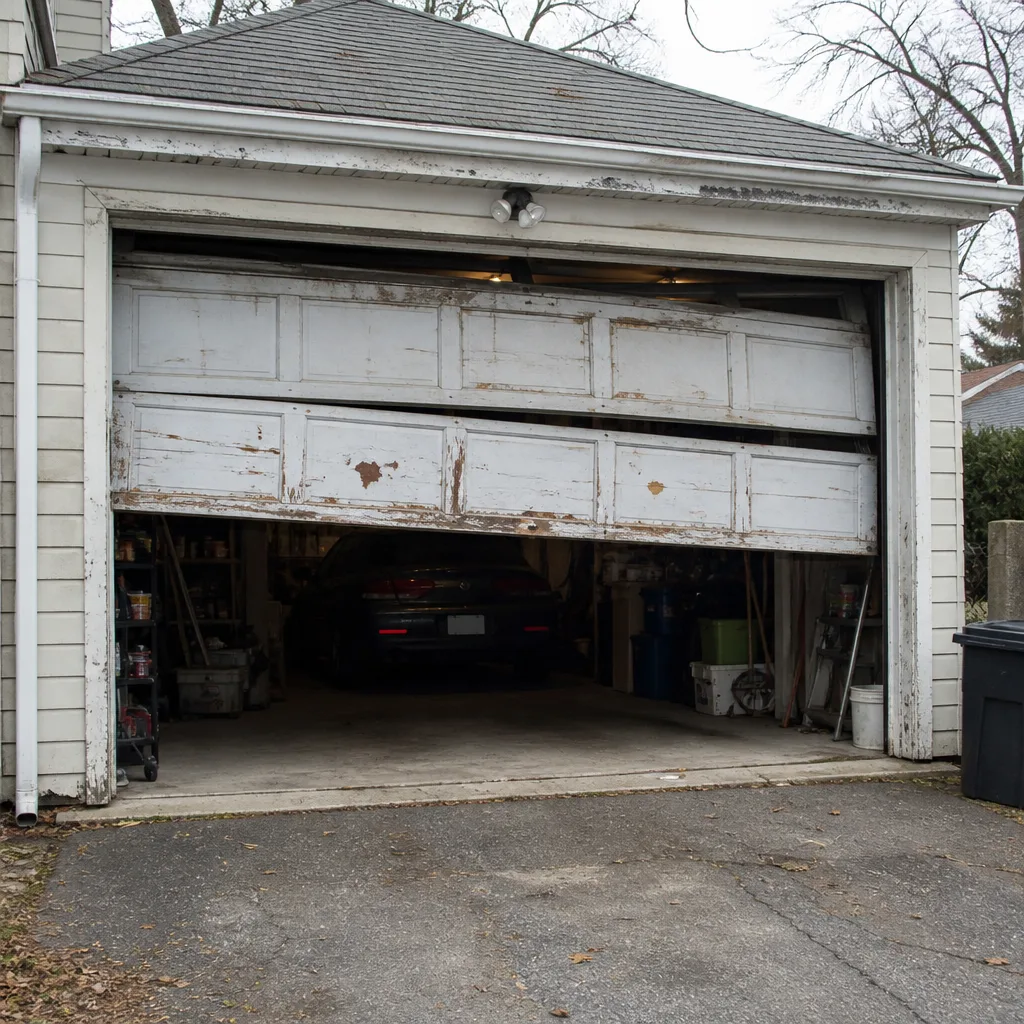 Before
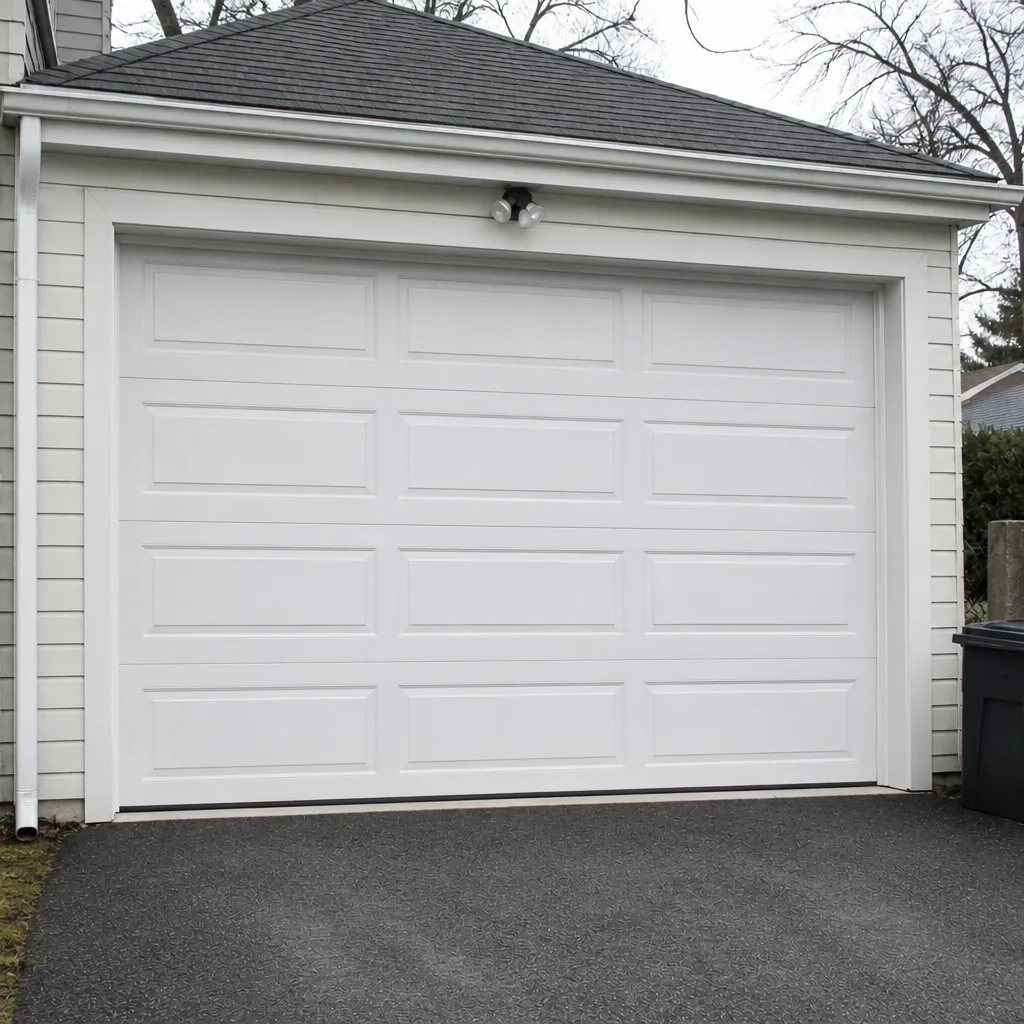 After
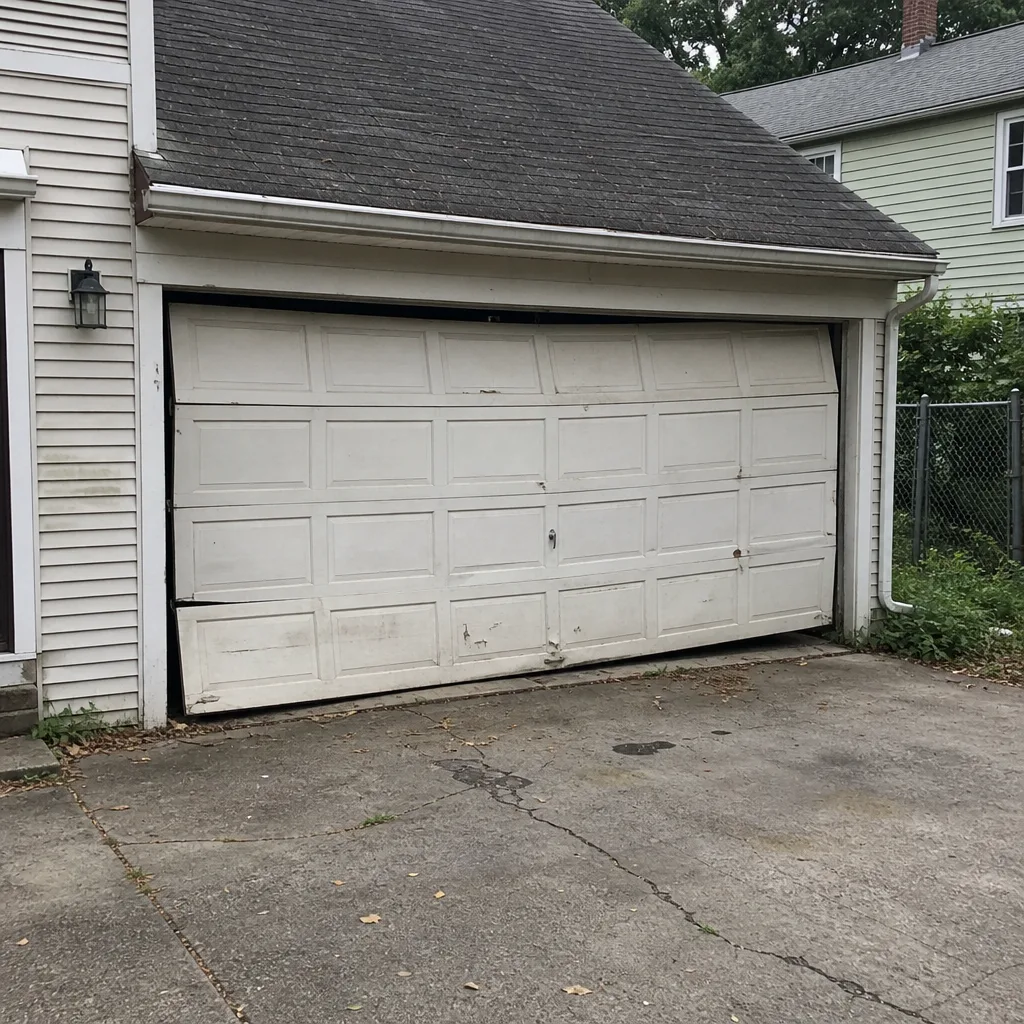 Before
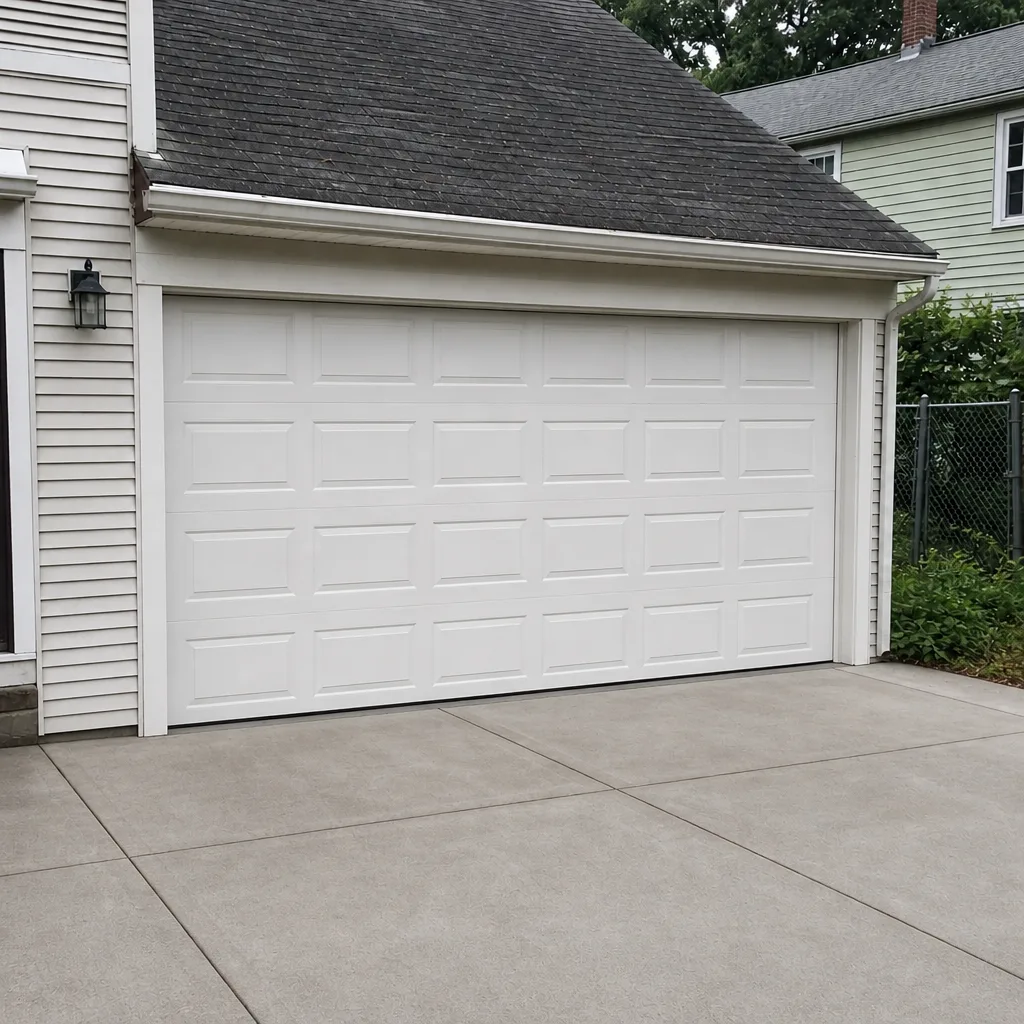 After
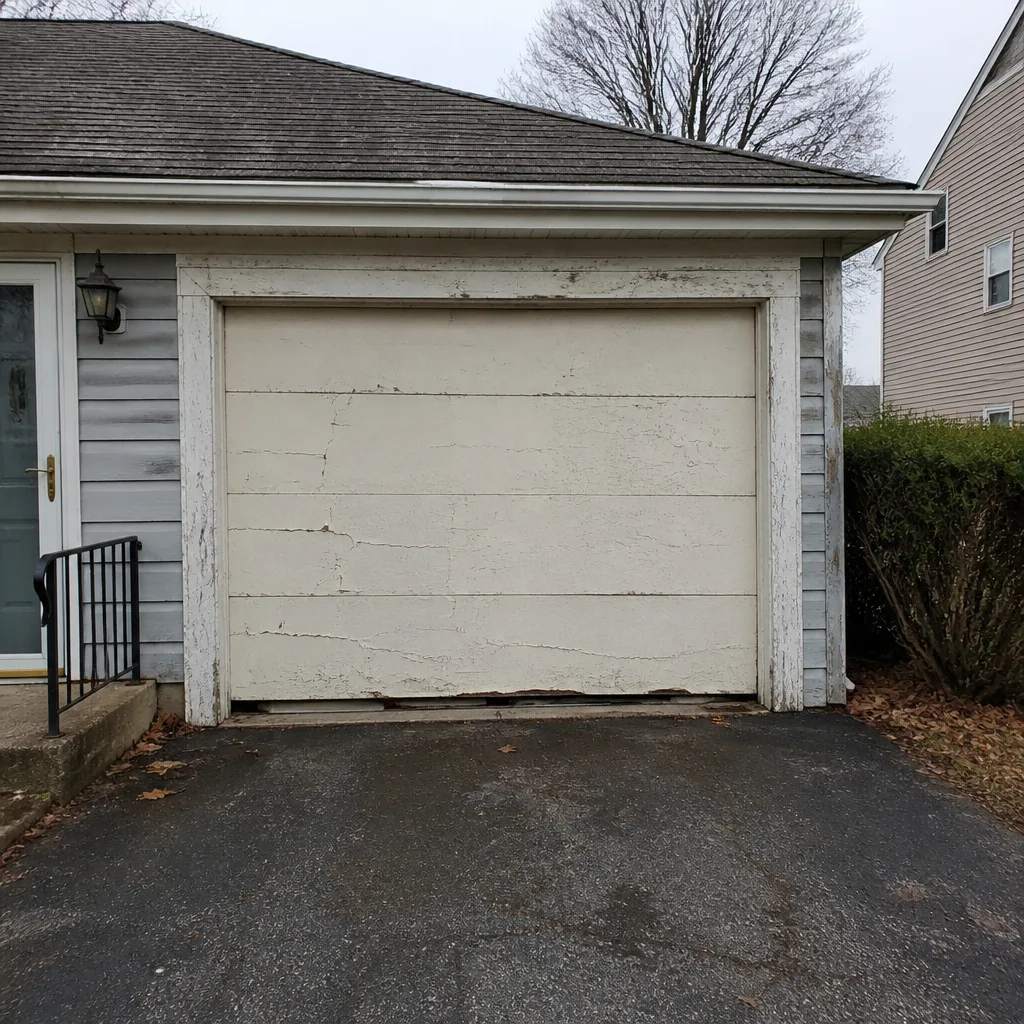 Before
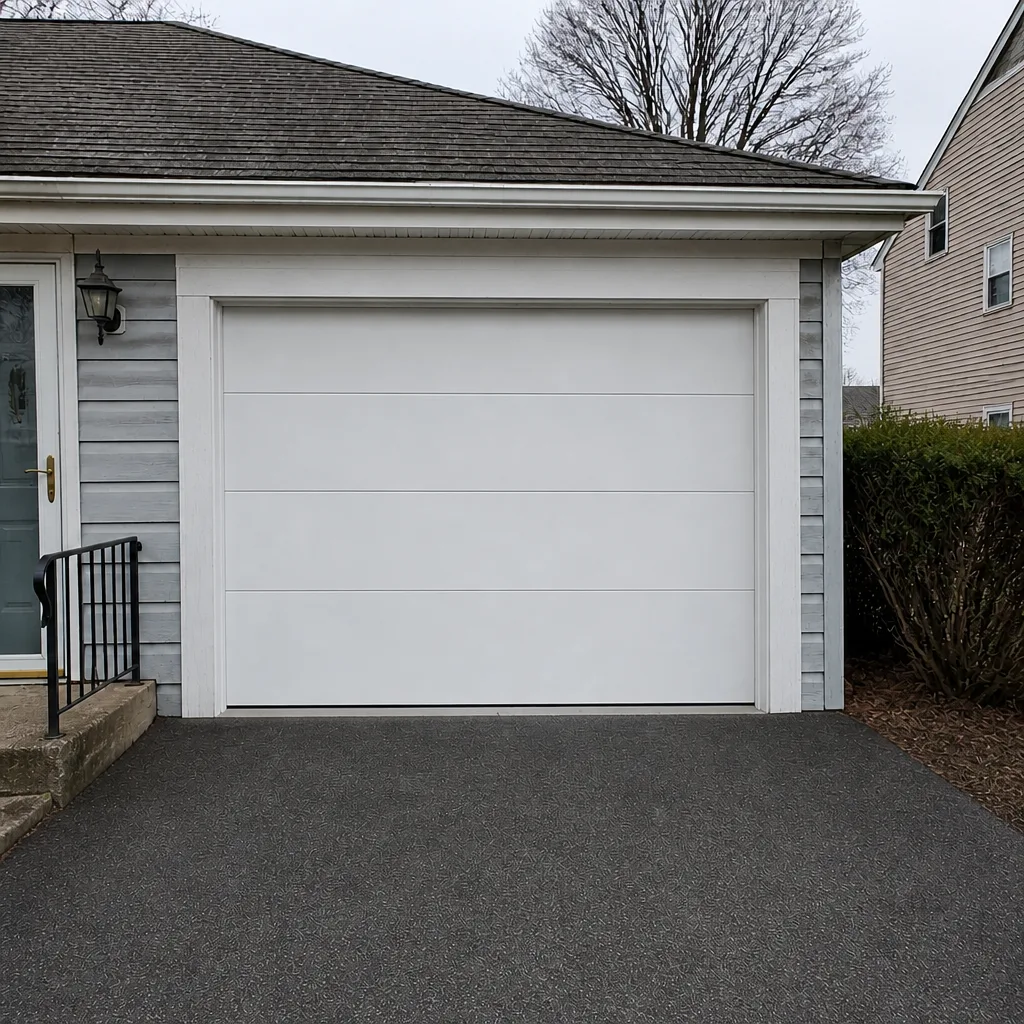 After
When to Call a Professional
Call a garage door specialist when a spring snaps, when a cable is frayed or hanging, when the door won’t open or close evenly, or when the opener runs but the door doesn’t move. Those are all safety-critical situations, and forcing a door that’s stuck or wedged can cause a serious injury. The same goes for anything involving the opener’s electrical wiring. On the installation side, call us before you order a door, not after, so we can measure the opening and confirm the size. For historic district or HOA concerns, we can tell you what we’ve seen approved locally. Waltham Garage Door Repair Pros offers free estimates in Waltham – call (855) 658-4223. We’ll quote the price in writing before any work starts.
Frequently Asked Questions
Spring repair is quoted per job based on the door and the spring type, and we give you a written price before any work starts. A matched pair is usually replaced together, so it’s a separate line from a single spring. Call (855) 658-4223 for an exact quote – estimates are free.
Likely yes. We offer dedicated emergency garage door service for doors that are stuck, broken, or unsafe. Call and we’ll tell you what’s available and quote the job before we start. (855) 658-4223.
Torsion springs generally last longer in Waltham’s freeze-thaw climate because they’re enclosed and don’t stretch into open air where salt and grit collect. Extension springs work, but they need safety cables and more attention. If your door is still on extension springs and they’re due for replacement, the conversion is worth discussing. We’ll tell you what your door needs on a free estimate.
No. Garage door springs are under extreme tension, and manufacturers and industry groups explicitly warn against DIY attempts because an injury can be severe. This is a job for a trained technician. Call (855) 658-4223 and we’ll take care of it safely.
Permit requirements vary, so ask the city’s building department directly before ordering. For a straight door swap it’s often not required, but the only reliable answer comes from the city. A free measure and a written estimate is where we start.
We work on virtually every major residential brand, including LiftMaster, Chamberlain, Genie, Clopay, Amarr, Wayne Dalton, Craftsman, and Raynor. If you own it, chances are we service it. Call (855) 658-4223 with your brand and model for an exact quote.
The Bottom Line
The right garage door decision in Waltham comes down to matching the door and its hardware to local conditions. Choose torsion over extension springs where you can, pick insulated steel or composite for the salt and humidity, check HOA and historic district rules before you order, and confirm the opening size against your survey before a door is ordered. Repair the hardware when the panels are sound, replace when they’re failing, and never touch the springs yourself. Whatever you decide, the price should be quoted and agreed in writing before work begins. When you’re ready to move, call Waltham Garage Door Repair Pros at (855) 658-4223 for a free estimate.
Written by the team at Waltham Garage Door Repair Pros.